
The traditional Phuket dessert topped Thailand’s 2026 Lost Taste vote – even as many island residents remain unfamiliar with it
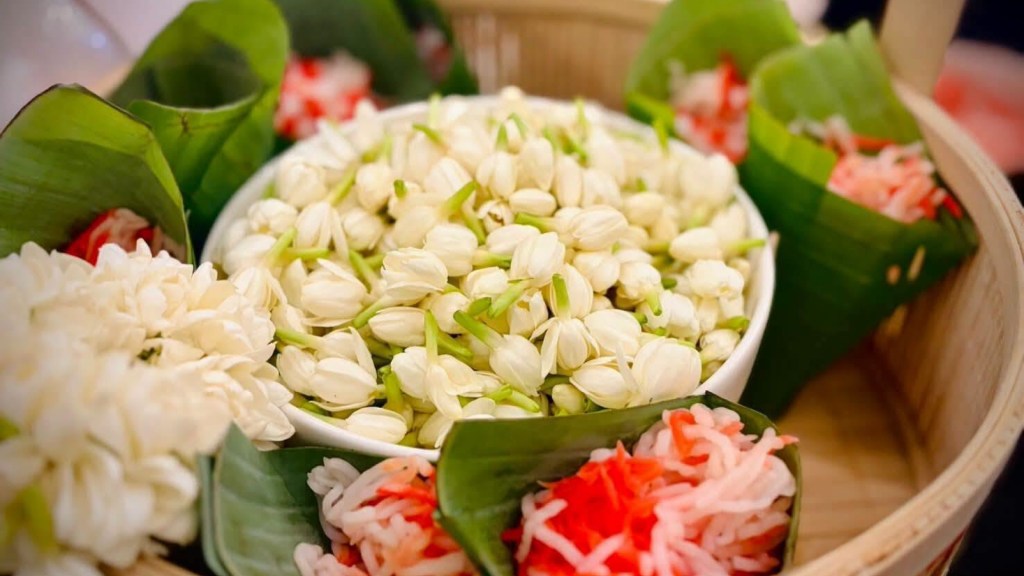
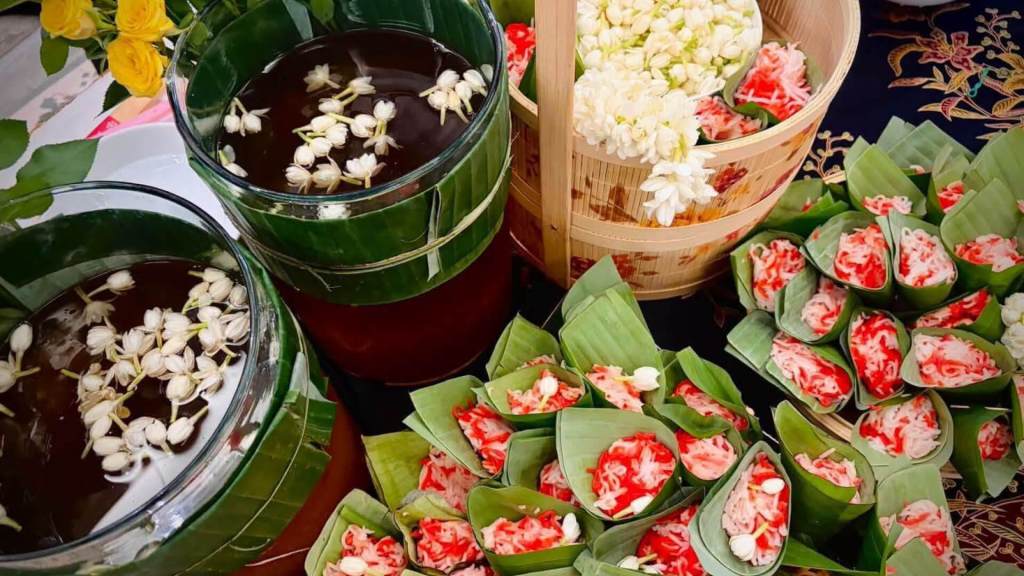
On 14 August, Thailand’s Ministry of Culture announced Bee Tai Bak as the national Popular Vote 2026 winner in its One Province, One Dish: The Lost Taste programme. The Phuket speciality – a chilled dessert of chewy rice-flour noodles served with pandan syrup and ice – received the most votes nationwide.
The recognition feels especially fitting. Once familiar in Phuket, Bee Tai Bak is now harder to find: fewer vendors make it, many younger island residents are unfamiliar with it, and most foreign visitors would not know what to ask for. The award has brought fresh attention to a dish that has gradually slipped out of everyday life.
What Is Bee Tai Bak?
Bee Tai Bak is part of Phuket’s Peranakan (Thai-Chinese) food heritage. The short noodles are made from rice flour mixed with warm water, traditionally divided into white and red portions, pressed into boiling water and then chilled to give them their soft, chewy texture. They are served with fragrant pandan syrup and shaved ice: simple, cool and perfectly suited to Phuket weather.
Phuket Governor Chotnarin Kerdsom says the aim now is to bring the dessert back into wider circulation, from community markets to local food businesses, so both Thai and international visitors can taste the dish that has won national recognition.
TAT Governor Thapanee Kiatphaibool has similarly encouraged travellers to follow local flavours and discover Thailand through food with a story behind it. Bee Tai Bak fits that idea particularly well: its flavour is inseparable from the island’s history and Peranakan heritage.
Where to Try Bee Tai Bak in Phuket
For now, Bee Tai Bak is still not something you will find everywhere. Local reports point to morning dessert sellers around Phuket Old Town, including Cham-Cha Local Market, as one place where it can still be found. Go early, and do not assume every stall will have it every day. The dessert also appears occasionally at local food festivals.
That may soon change. After all, the best possible outcome for a competition called The Lost Taste is not another award on a shelf. It is putting the dish back on the table.

