
Reflective blue plates could appear on newly registered battery-electric cars and motorcycles from early 2027
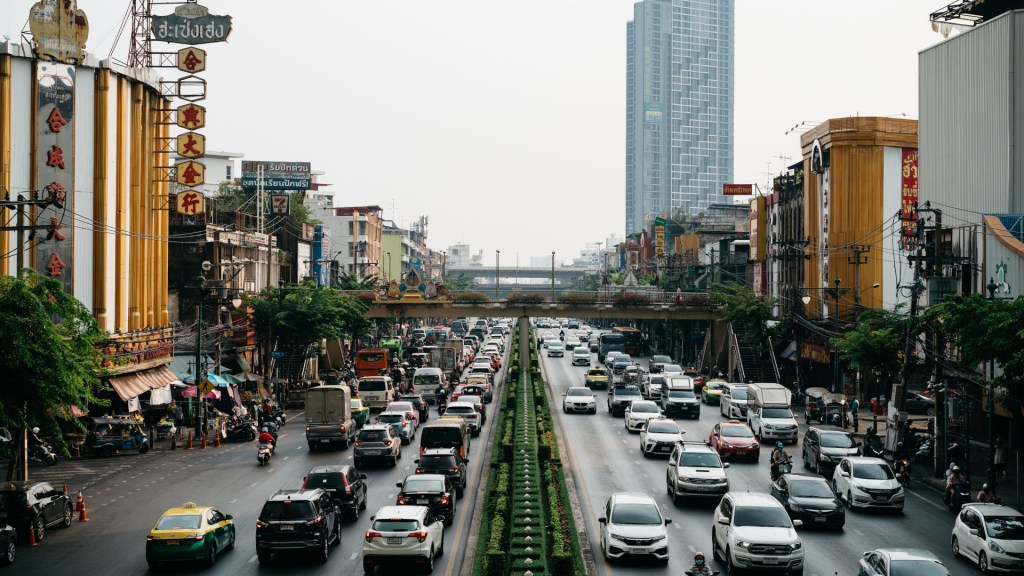
Thailand’s licence plates have long spoken a language of their own. The most obvious clue is color. White backgrounds are generally associated with private vehicles, while yellow, green and other colors identify particular commercial, service and special categories, including diplomatic and royal vehicles.
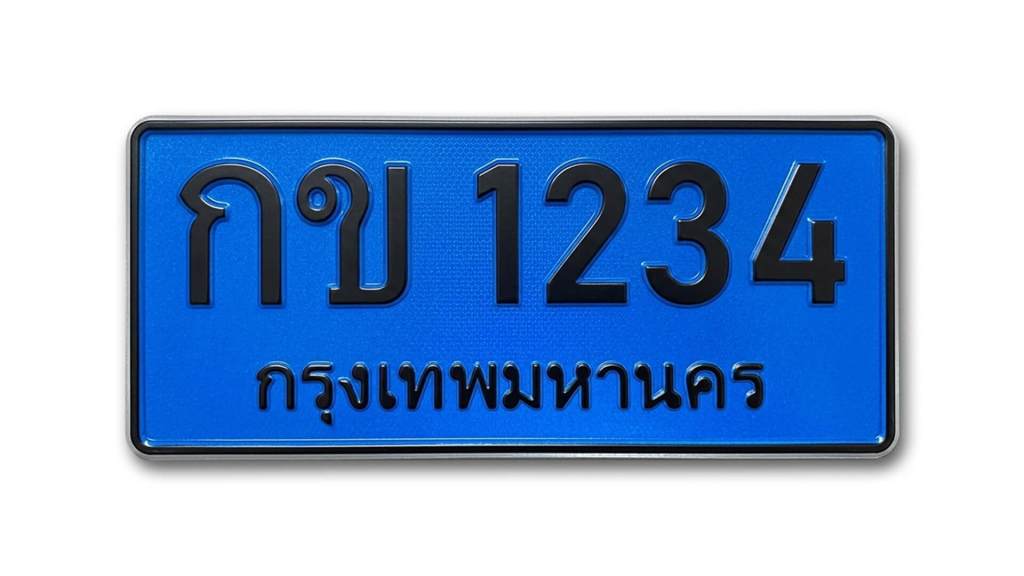
Now the Department of Land Transport (DLT) is preparing to add another color to Thailand’s roads. Under the draft regulation, blue would mean electric, with the first new plates expected in the first quarter of 2027 if the proposal completes the approval process.
Under the proposal, newly registered battery-electric cars and motorcycles would receive reflective blue-background plates, making them immediately distinguishable from petrol, diesel and hybrid vehicles. Hybrids of all types would remain outside the new scheme.
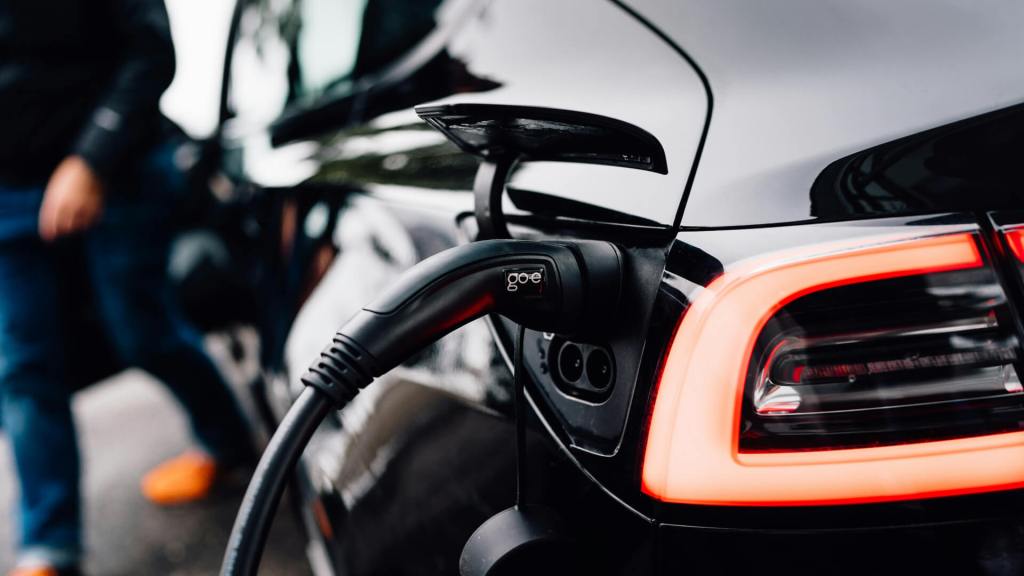
The reason, as usual, is more practical than decorative. Electric vehicles contain high-voltage battery systems that may require different procedures after a serious accident or fire. A clearly recognisable blue plate would allow police, firefighters and rescue teams to identify an EV at a glance and take the appropriate precautions.
Already own an EV? There is no need to rush to the DLT. Vehicles registered before the new rules take effect would be allowed to keep their existing plates, including valuable numbers purchased at auction. Instead, owners would use a special EV identification mark.
The blue plates may eventually serve a wider practical purpose. The DLT says easily identifiable EVs would make it simpler to introduce privileges such as dedicated parking, toll benefits or access to future zones restricting vehicles with internal-combustion engines.
Electric public-service and special-purpose vehicles would retain the plate colors associated with their existing registration categories. Their electric status would instead be shown through an additional EV identifier.
For Thailand, the idea feels natural for another reason. Licence plates here have long been more than an administrative necessity.
Decades ago, Thailand found an unusually elegant answer to the unofficial trade in desirable and “lucky” registration numbers: it legalised the market through official auctions. Particularly sought-after combinations can now sell for substantial sums, with proceeds directed towards programmes supporting road-accident victims.
Color, meanwhile, has always carried information of its own. To a police officer, rescue worker or anyone familiar with the system, a plate can reveal something about a vehicle before there has even been time to look closely at the car itself. If the proposal takes effect, there will simply be one more clue.
Read Real Life Magazine’s full guide to Thailand’s licence-plate colors and categories.

