
Phuket’s three-Michelin-Key resort returns this September
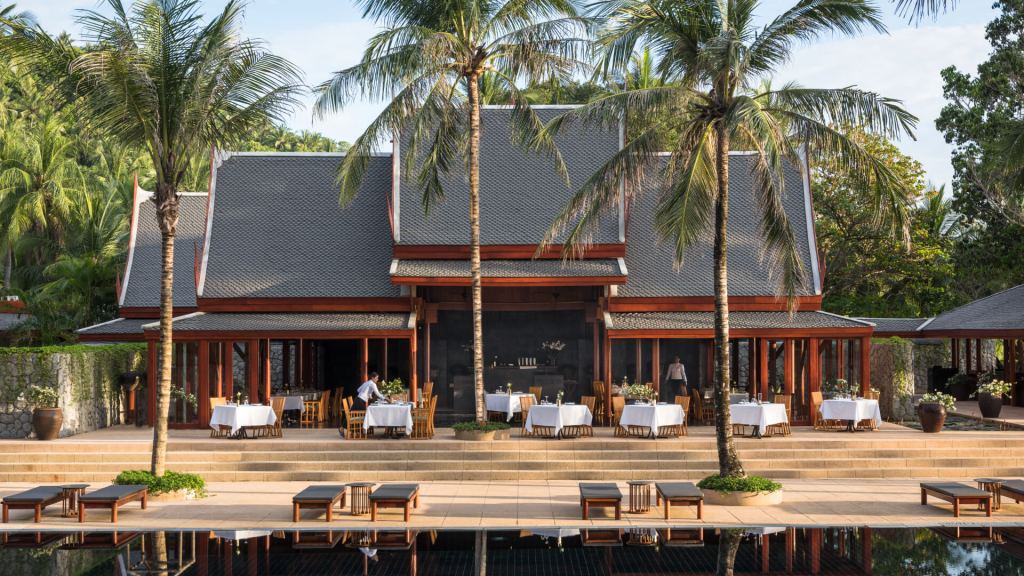
After a thoughtful seasonal refresh, the legendary Surin resort reopens on 14 September, carrying forward the quiet luxury that helped put Phuket on the world map.
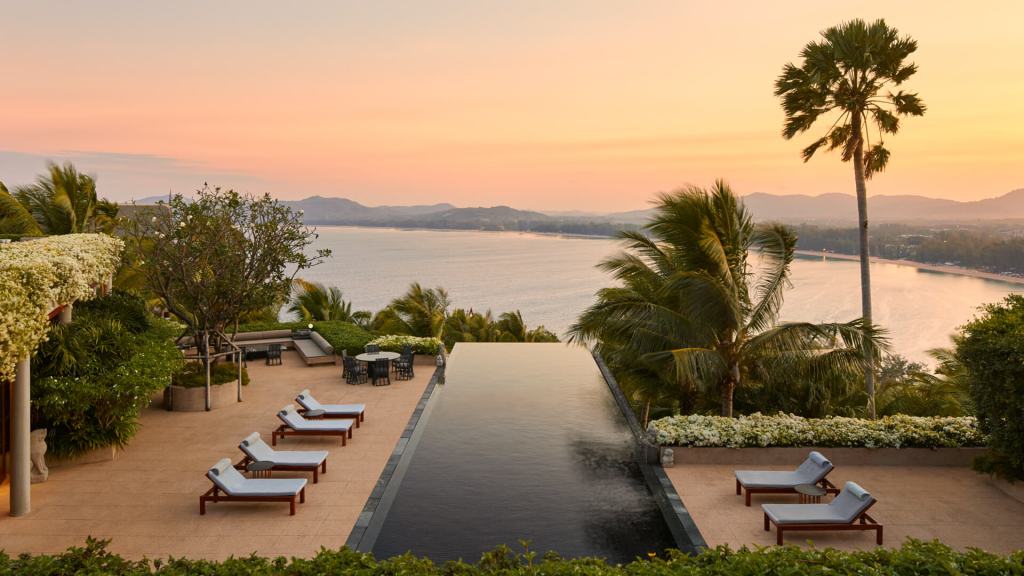
When Amanpuri opened in 1988 on a coconut-covered headland above Pansea Beach, it did not look like the future of Phuket. It looked, very deliberately, like an escape from the hotel industry itself.
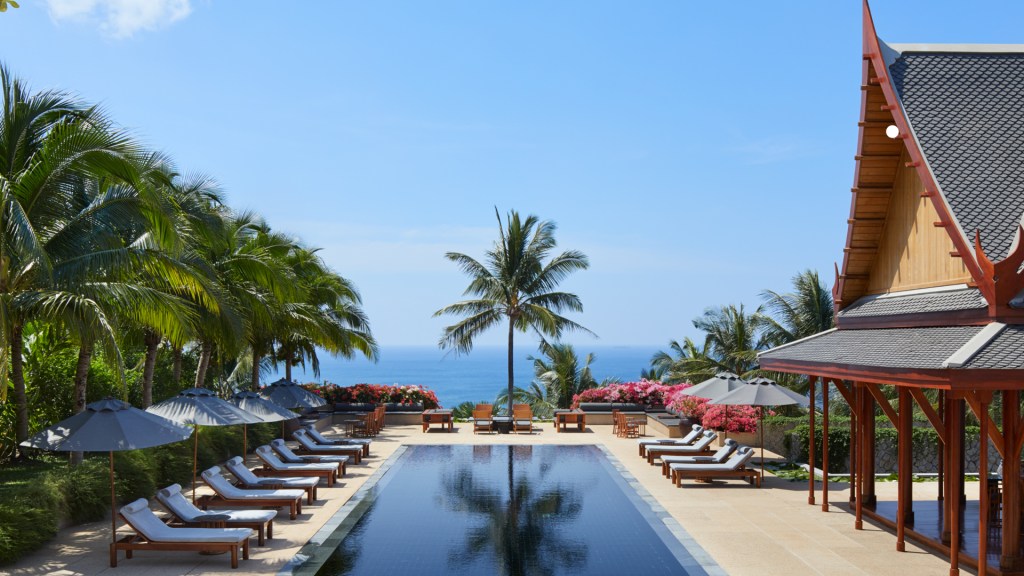
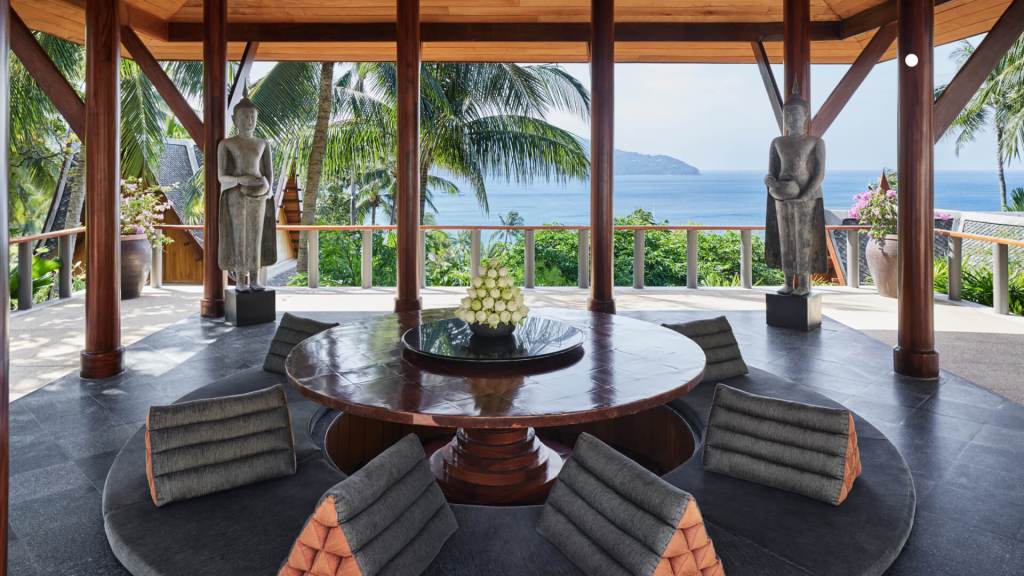
Phuket already had hotels, and many more would follow. Amanpuri proposed a different language. Not a lobby tower, not a grand arrival hall, not the familiar choreography of a resort built around volume. Instead there were private pavilions scattered through the palms, raised walkways, sea views framed by timber and shadow, and service designed to be felt rather than seen.
It was a radical idea for its time. Luxury was still measured in scale, shine and formality. Amanpuri suggested that the most desirable thing a resort could offer was not spectacle but silence, not display but privacy, not a hotel room but a place to disappear into the landscape.
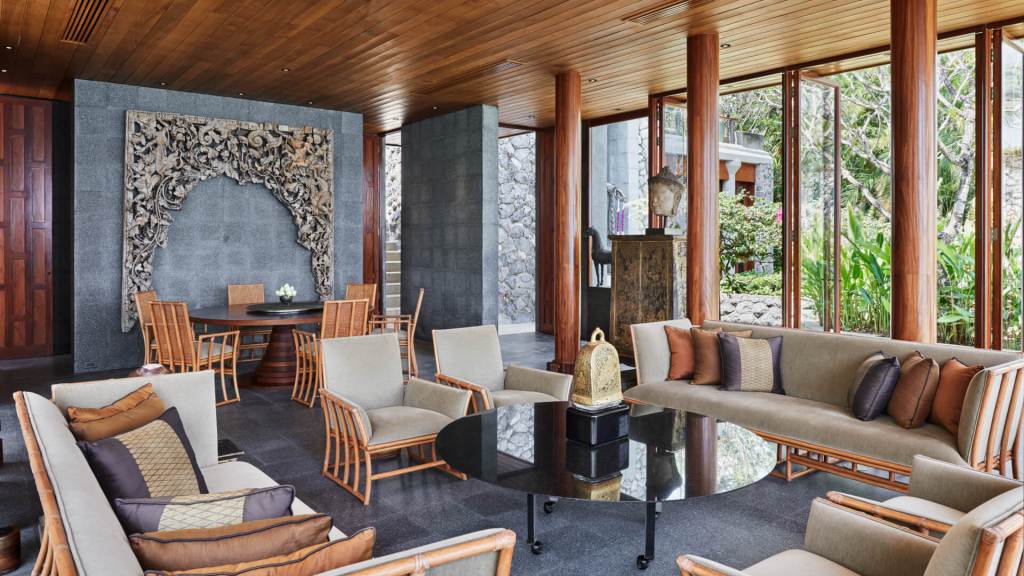
The name itself, usually translated as “place of peace”, became the concept. Working with architect Ed Tuttle, Aman founder Adrian Zecha built a language rooted in Thai forms: warm teak, local stone and long, contemplative sightlines. The buildings did not try to dominate the hillside. They seemed to settle into it, dissolving the line between interior and garden, terrace and sea.
Nearly four decades later, that idea has not faded. If anything, Phuket has grown around it. Amanpuri did more than open another luxury address; it helped define what the island could become for the world’s most private travellers.
That legacy is harder to keep than it was to create. Amanpuri’s challenge in 2026 is not to become more fashionable but to remain Amanpuri: to deliver the peace of 1988 with the comfort, wellness, dining, technology and privacy today’s guest expects, without losing the restraint that made it iconic.
This is why the current closure feels less like a pause than part of a method. The resort is closed from 15 May to 13 September 2026 for a series of enhancements, reopening on 14 September. For most resorts, renovation is a correction. For Amanpuri it has always been a discipline: polish the experience, refine the details, protect the original spirit.
The timing is telling. Thailand’s tourism is turning from quantity to quality, toward travellers who come for meaning, privacy, design, nature and a sense of place. Used too often, those words sound like slogans. Amanpuri has been quietly practising them for almost 40 years.
There are louder resorts, newer resorts, resorts with more restaurants, more rooms, more branding and more architecture built for instant recognition on social media. Amanpuri remains different because its luxury is not built on saying more. It is built on saying less, and saying it perfectly.
When it reopens in September, the world that returns will not be the world of 1988. Phuket is more developed, more connected, more competitive and more scrutinised, and the expectations of luxury travellers have changed beyond recognition. The island’s strongest promise has not.

