
How Aman reshaped the world of hotels – and redefined Phuket
By Julia Sinikova
Among the world’s most rarefied hotel brands, Aman stands as an epitome of luxury hospitality. Yet their idea of luxury has never been about gilded door handles or crystal-filled penthouses. What Aman offers its wealthy and celebrated guests is something far harder to quantify than figures with zeros after a dollar sign: privacy.
Few people realize that the Aman story began on Phuket – back in 1988, when the island was still a little-known tropical outpost. Even more remarkably, Phuket’s rise as a luxury destination and a place for winter villas also started with Aman – more precisely, with Amanpuri, the brand’s very first property.
Amanpuri was the brainchild of Indonesian visionary Adrian Zecha. At the time, Zecha was not a hotelier at all but a journalist who had worked with Condé Nast before launching his own Asia Magazine. Years of traveling across the continent, staying in hundreds of hotels and eating thousands of identical breakfasts, eventually led him to an idea that was radical for its time: the “anti-hotel.”
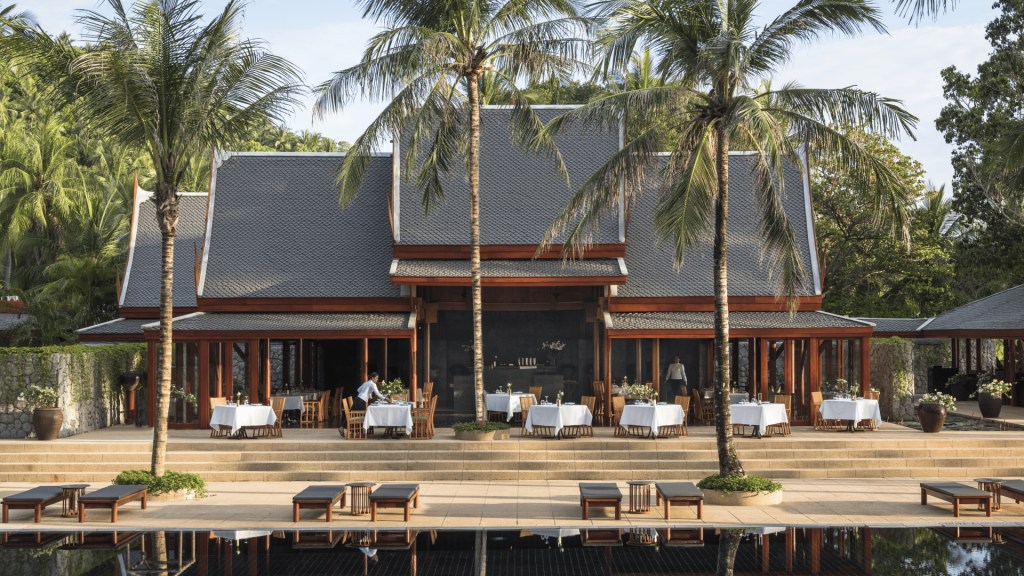
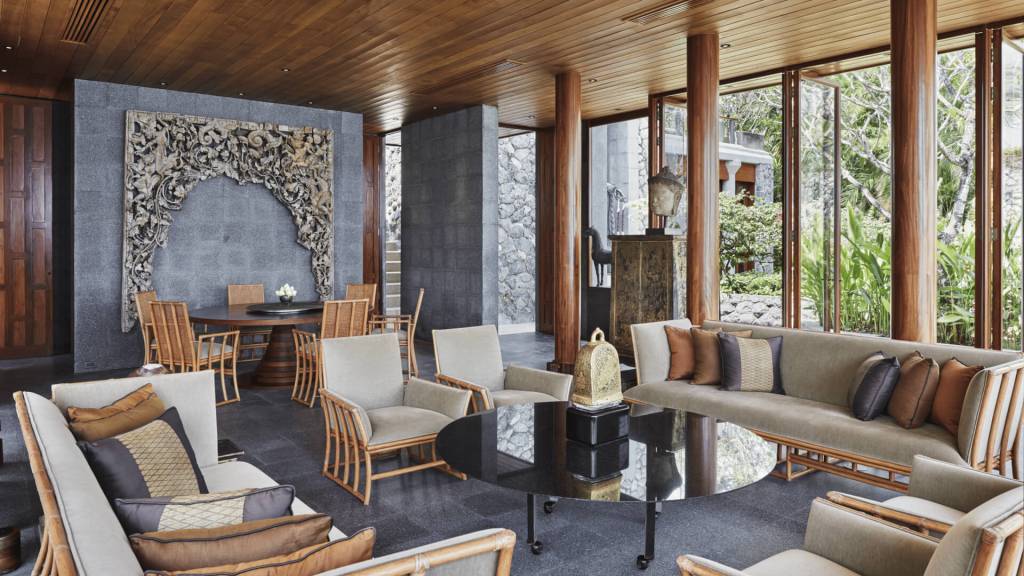
From the outset, Amanpuri was conceived as an intimate, deeply private resort for seasoned travelers – one where architecture and its connection to place would be central. Bringing this vision to life was American architect Ed Tuttle, whose work not only defined Aman’s aesthetic for decades to come, but also set a new direction for the global hospitality industry. What we now regard as the pinnacle of luxury was, in 1988, a bold and unconventional statement.
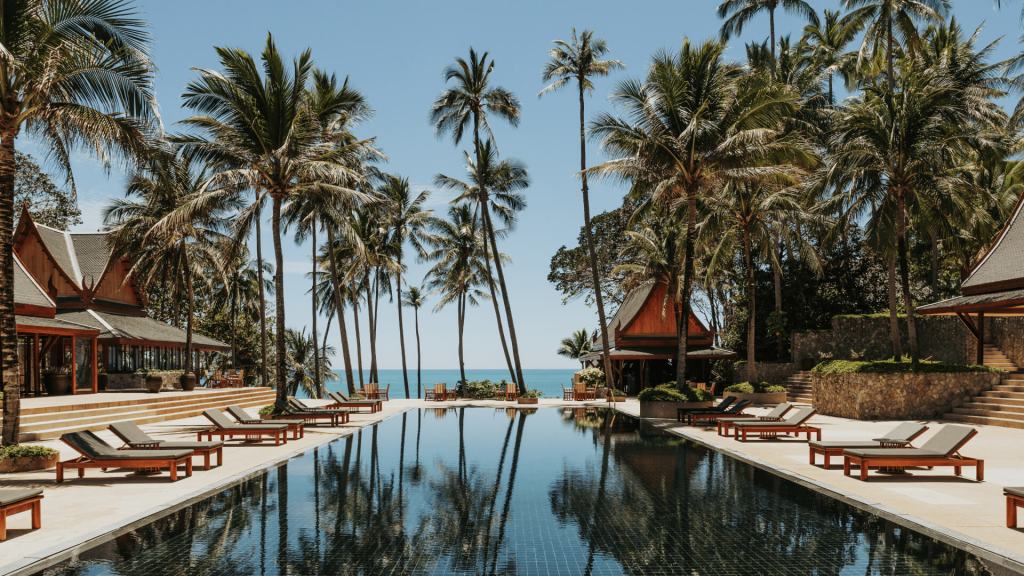
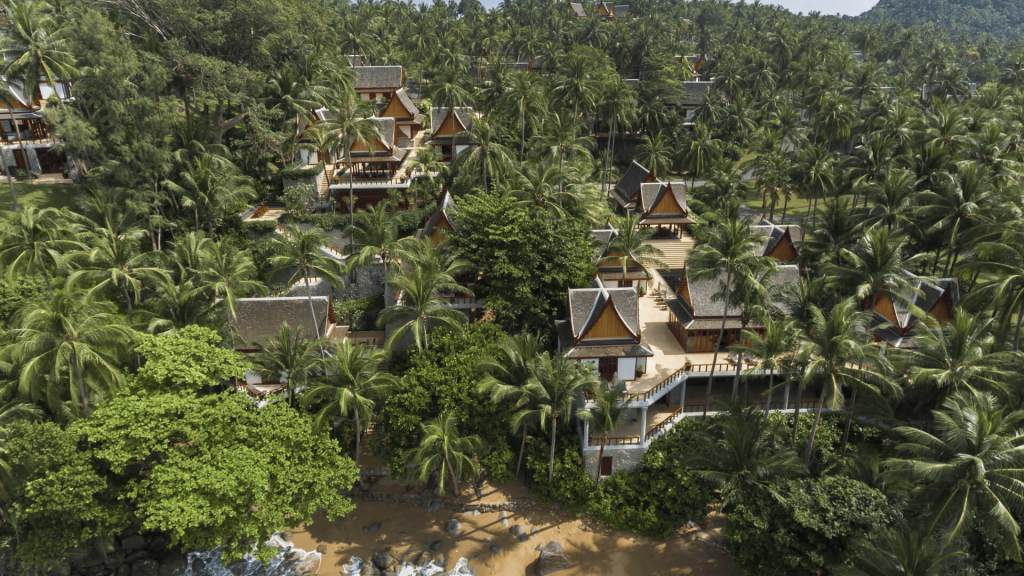
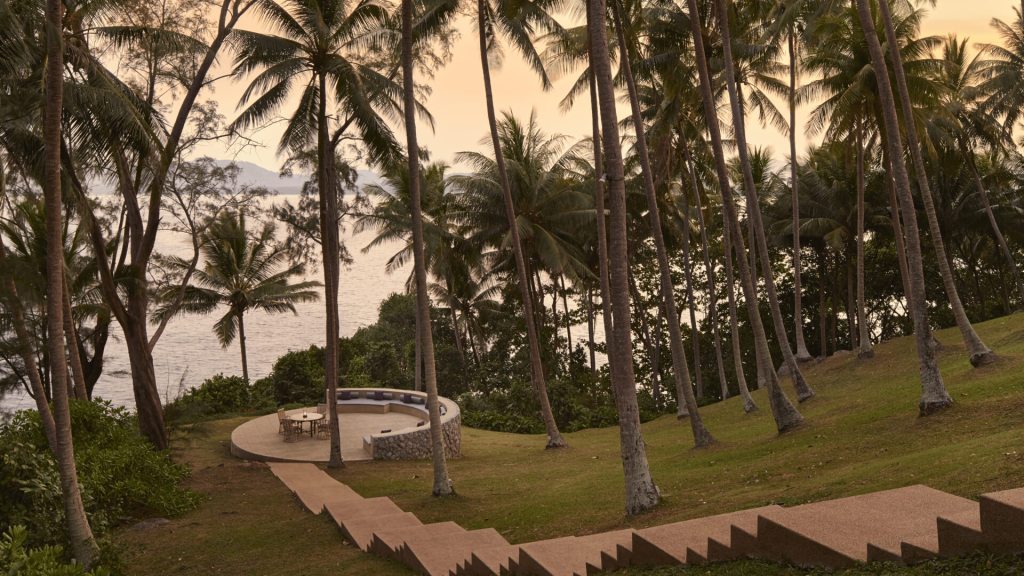
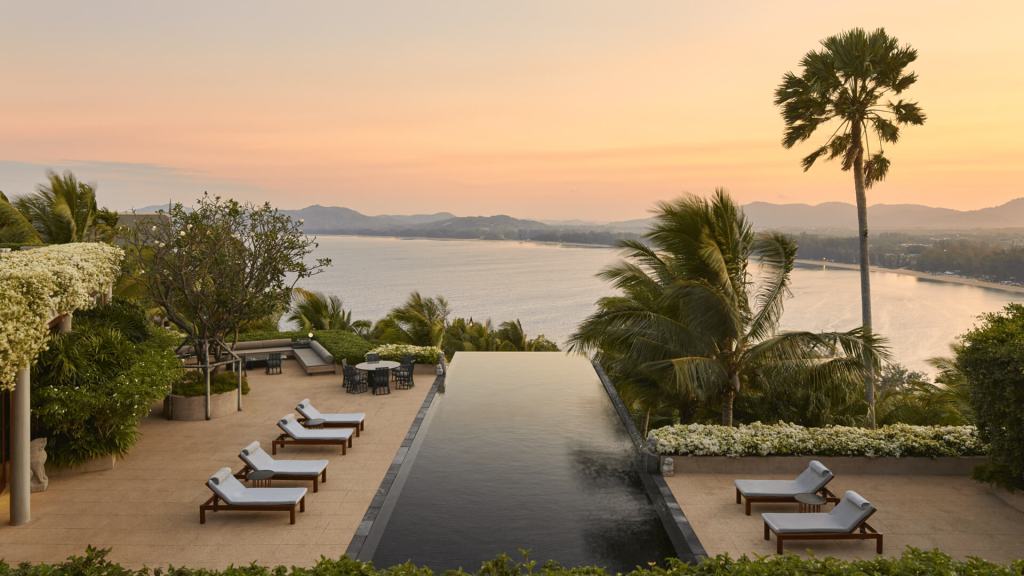
Zecha and Tuttle rejected virtually every standard of the luxury resort of the era. Instead of beachfront spectacle, they chose a rocky headland between Surin and Bang-Tao beaches. Instead of opulence on display, they created a collection of villas inspired by the atmosphere of an ancient Thai temple hidden in the jungle.
If one were to list the luxury-hotel rules of the late 1980s that Amanpuri broke, the answer would be simple: all of them. There was no monumental lobby, no ceremonial guest arrivals, no overt displays of wealth, no logos vying for attention. The luxury hotel of that era was a stage – guests performed their affluence for one another, while staff supported the show with relentlessly visible service.
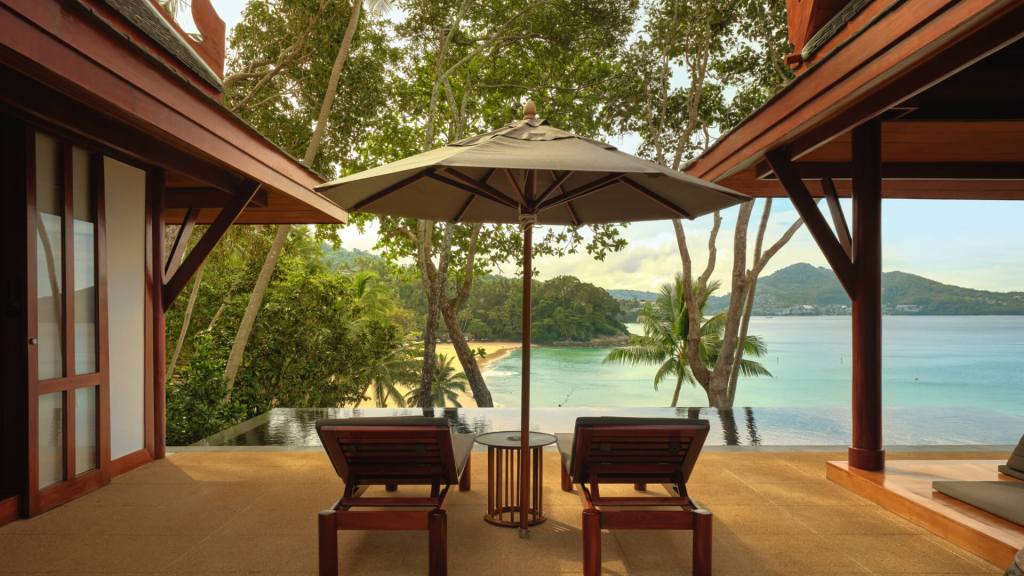
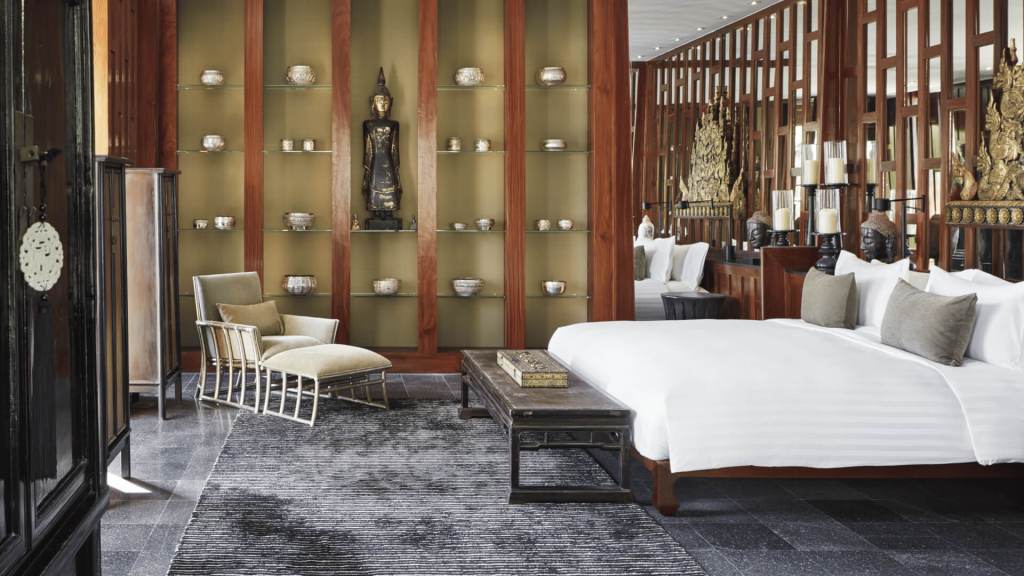
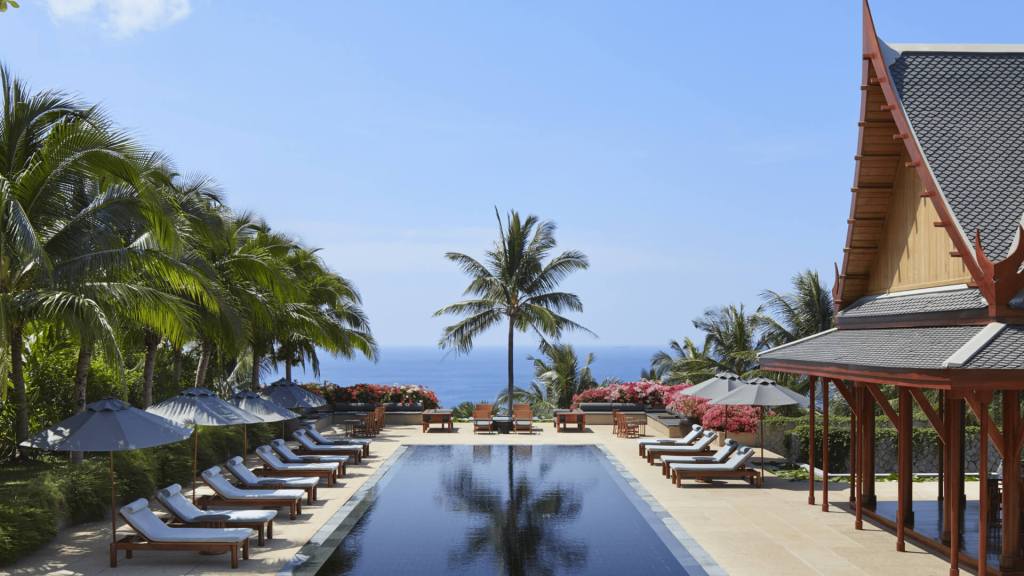
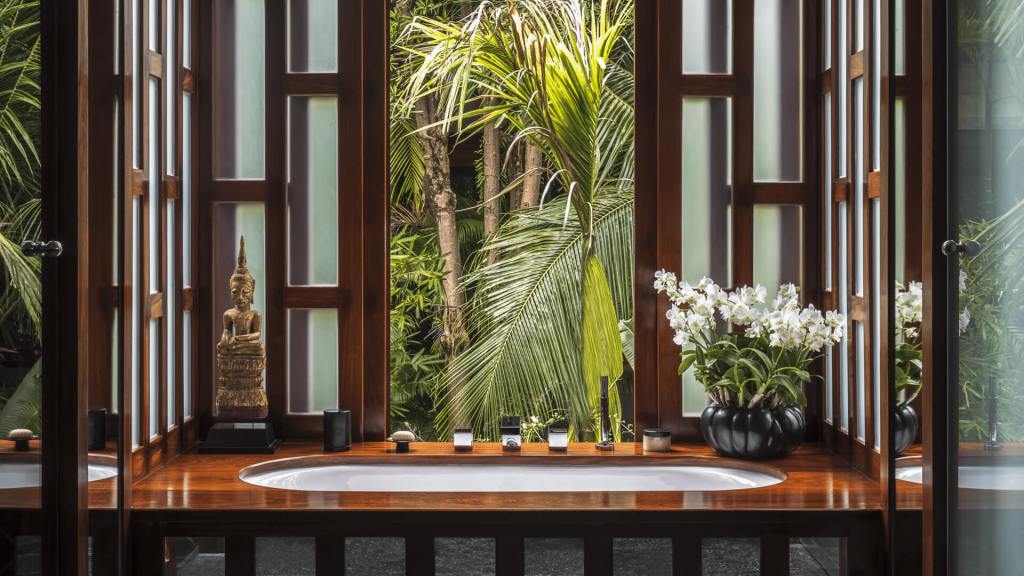
Amanpuri dismantled that performance entirely. There were no communal spaces, no shared swimming pool. In place of corridor-linked rooms came deliberately secluded villas, where impeccable service was delivered quietly, almost invisibly. Even the extensive use of wood in construction and interiors was a daring move at the time – natural materials were not yet synonymous with luxury. They were not even shiny!
Amanpuri became the starting point for the Aman brand, which today encompasses more than three dozen hotels worldwide – each unlike conventional resorts, and unlike one another. At the same time, it marked the opening chapter of a new era for Phuket, drawing the attention of affluent travelers from Singapore, Hong Kong, and eventually far beyond.
Word of Amanpuri spread by recommendation alone. Millionaires arrived on the advice of friends, fell in love with the concept, and began dreaming of owning a villa there – or building their own in a similar spirit. Among them was Alan Zeman, whose story we shared in one of the previous issues of RL Phuket.
A new chapter for Aman began in 2015, when ownership passed from the 82-year-old Zecha to Russian magnate Vladimir Doronin. Doronin continued the brand’s global expansion, but in the same hushed, almost discreet manner established by its founder.
Under his leadership, acclaimed architect Jean-Michel Gathy returned to the Aman fold – the mind behind the iconic Aman in Venice and the “summer palace” Aman in Beijing. He was also entrusted with the brand’s second Thai property, Aman Nai Lert Bangkok. In Phuket, Gathy’s work is not related to Aman but equally well known: he designed the luxury villas on Cape Yamu, on the island’s opposite shore from Amanpuri.
After 37 years, Amanpuri remains a living legend on Phuket, welcoming the rich and famous in a way that remains largely unseen by the outside world. Having created an entire niche within luxury tourism, it may no longer be alone – but it was the first.
Meanwhile, Aman has set its sights on another bastion of traditional opulent leisure: ocean cruising. As early as next year, the brand’s superyacht Amangati is scheduled to embark on its maiden voyage.
Described by the company as “Aman at Sea,” the 180-meter, nine-deck vessel is an ambitious hybrid, blending the finest elements of luxury yachting with those of a cruise liner. This was made for Aman to translate its core values onto the water: space, privacy, tranquility, and flawless service.
Designed to host just 94 guests, Amangati will feature 47 expansive suites ranging from 68 to an extraordinary 354 square meters. Even the smallest is comparable to a two-bedroom apartment; the largest rivals the proportions of a classic Phuket villa.
Nearly 1,200 square meters will be dedicated to the award-winning Aman Spa, while onboard amenities will include a collection of Michelin-level dining concepts, a jazz club, fitness facilities, and a cinema. Yet the most precious indulgence of all will remain unchanged – Aman’s defining luxury: silence.

