
Red Bull’s ascent from a syrupy Thai tonic to a global empire
Anyone who has spent time in Thailand knows two things: the sheer abundance of energy drinks on 7-Eleven shelves – and the disappointment of that first sip.
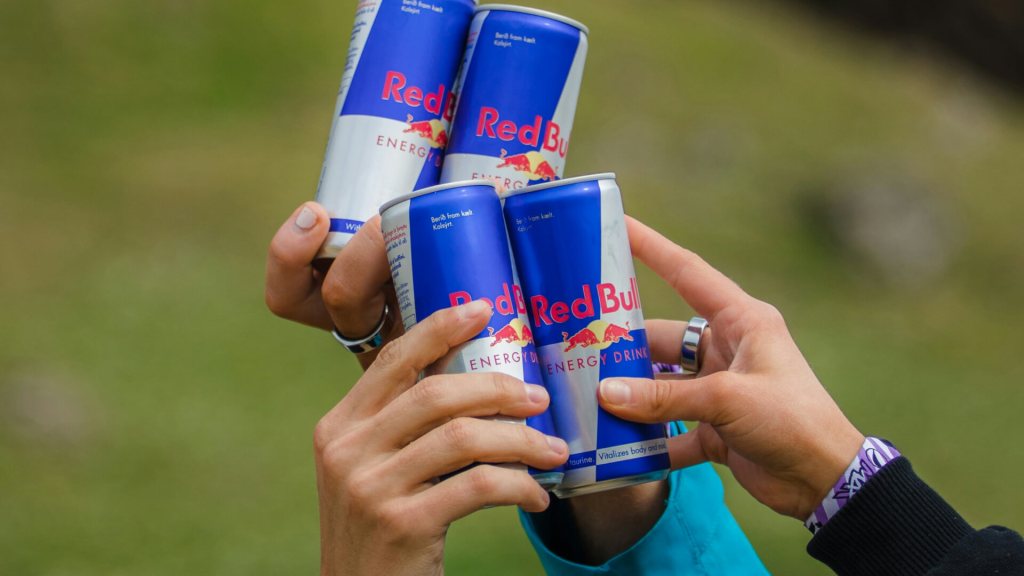
The contents of those tiny glass bottles are cloyingly sweet, oddly flavored, and do little to quench thirst – even when the label reads Red Bull. Right beside them, however, sits the familiar international version: crisp, carbonated, instantly recognizable. And priced at six or seven times more.
In that contrast lies the entire story of Red Bull.
The history of Red Bull and of energy drinks as a category begins in Thailand, where tonic beverages infused with herbs and generous amounts of sugar had long served as quick sources of energy for people engaged in physical labor.
Building on these traditions, Thai entrepreneur Chaleo Yoovidhya created his own formula: Krating Daeng, meaning “Red Bull” in Thai.
The son of Chinese immigrants, often called an apothecary – much like the creator of Coca-Cola – Yoovidhya sold his drink to truck drivers and factory workers. That was, until the early 1980s, when an Austrian visitor Dietrich Mateschitz tried it for the first time.
The drink worked instantly. It cut through Dietrich’s jet lag and fatigue, delivering exactly what it promised. There was nothing like it in the West, and Mateschitz realized he had stumbled upon a goldmine.
Extracting that gold, however, proved far from simple. Yoovidhya agreed to partner with Mateschitz, and in 1987 Red Bull launched in Austria – only to be met with rejection.
Reducing the sweetness didn’t help. Carbonation didn’t help. A sleek new can didn’t help. Consumers simply refused to accept both the unfamiliar Thai formula and the very idea of an “energy drink.”
A lesser entrepreneur might have walked away. But Mateschitz was as stubborn as the red bull on the label.
For nearly a decade, he tried to break into the market. The entrepreneur paid for shelf space in supermarkets, pusheddistribution and kept waiting for acceptance that never came. The product simply didn’t fit into existing consumption habits.
So he changed the approach entirely.
Instead of chasing retailers, Mateschitz went directly to consumers – and specifically to those who needed Red Bull most.
Nightclubs. Bars. University campuses. Places where the phrase “don’t sleep” carried real weight.
Understanding that subcultures resist traditional advertising, Mateschitz pioneered what we would now call influencer marketing. Stylish young people were seen drinking Red Bull at concerts, ordering vodka with Red Bull in bars where it didn’t yet exist. Cases of the drink would “coincidentally” appear backstage and in DJ booths, ready for artists to pick up.
He didn’t persuade businesses to stock Red Bull. He gave it away until customers began asking for it themselves.
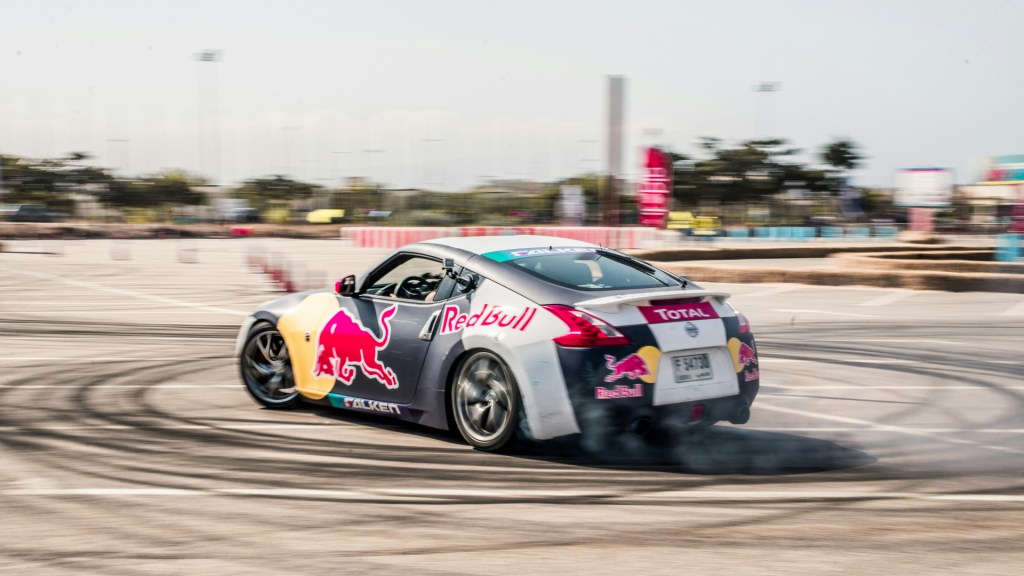
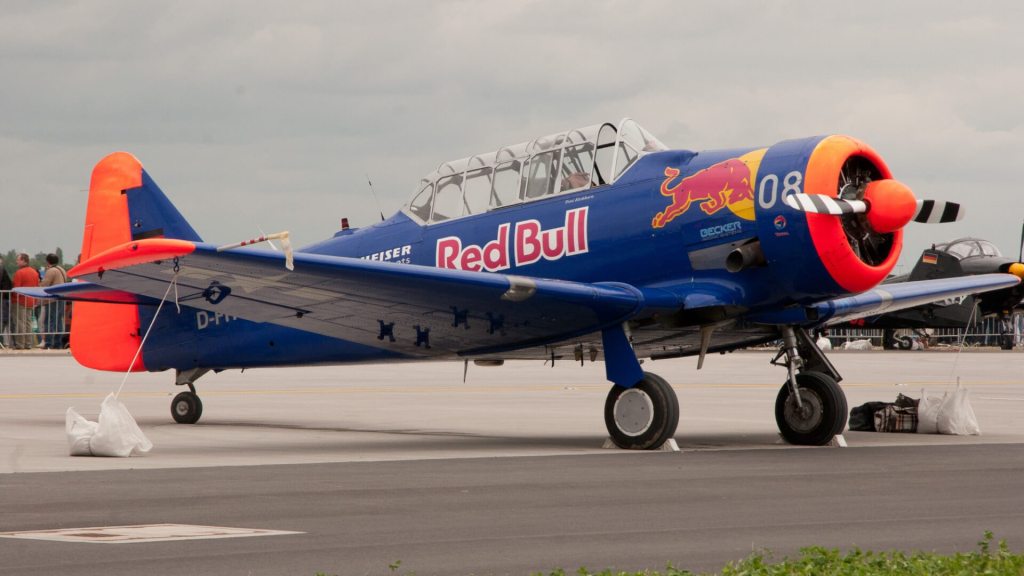
By the early 2000s, Red Bull had moved into sports sponsorship, but not the respectable world of Formula 1. Not yet. Instead, it aligned itself with skateboarding, BMX, motocross, paragliding – everything that felt wild, irrational, and slightly dangerous to the mainstream consumer, yet deeply appealing to those who wanted to stand apart.
Red Bull became the drink of people who wanted to look different, act differently, and defy expectations. Even paying two euros for a strange little can became a statement, a badge of belonging.
Its odd taste, unusual format, and high price – all apparent disadvantages – turned into strengths. Mateschitz hadn’t just built a brand, he had created an entirely new market: the energy drink.
Today, Red Bull is sold in more than 170 countries. Its name is universally recognized. Yet ownership remains with the families of Mateschitz and Yoovidhya, the founders who built the empire.
And here, the story takes another unexpected turn.
Red Bull was built on the principle of visibility, of being everywhere, always in motion, always in the spotlight.
Its Thai owners, however, chose the opposite path. While Red Bull dominated global media, the Yoovidhya family quietly expanded their domestic empire. Their company, TCP Group, still produces the original Krating Daeng and sells it for around 10 baht a bottle. Other everyday products include Sponsor sports drinks, Mansome functional beverages, and Sun Snack nuts and seeds. Beyond food and beverages, their business spans logistics, warehousing, and finance.
Yet, they avoid media attention and social spotlight. Little is known about their properties, yachts, or lifestyle. Even when Thailand announced a future Formula 1 project and Red Bull driver Alex Albon met with the prime minister, the country’s richest family – according to Forbes – remained quietly out of view.
In 2025, Chalerm Yoovidhya topped Thailand’s rich list with a fortune of $44.5 billion, but the the family itself continues to live with striking discretion.
And by the standards of 21st-century wealth, that too is a kind of rebellion – a way of going against the logic of the age and being not like everyone else.

