
Thailand’s national cat breeds, from Ayutthaya to the present
Even those who have never set foot in Thailand know the mystique of Siamese cats. Those who have been, however, will tell you something more: not only Siamese cats, but nearly all Thai cats seem entirely unique. In both appearance and temperament, they differ markedly from their whiskered counterparts in Europe, Russia, or the Americas.
It is perhaps surprising that Thailand waited until 2025 to formally recognize the status of its five principal native cat breeds. When it finally did, they joined yellow cassia flowers, the Thai elephant, Siamese fighting fish, and the epic Ramakien as emblems of the nation’s cultural identity.
In selecting these five indigenous breeds, the National Committee on Identity drew on historical sources and genetic research. The chosen cats are not only distinct in appearance and behavior; they are deeply woven into the spiritual and cultural fabric of Thai life.
All five breeds are described in the Tamra Maew, an ancient Thai manuscript from the Ayutthaya period devoted entirely to cats. The text catalogues 17 “fortunate” and six “unfortunate” types. Surviving copies of the illustrated Treatise on Catsare carefully preserved in temples and museums — and it is this centuries-old source that Thailand has now officially embraced.
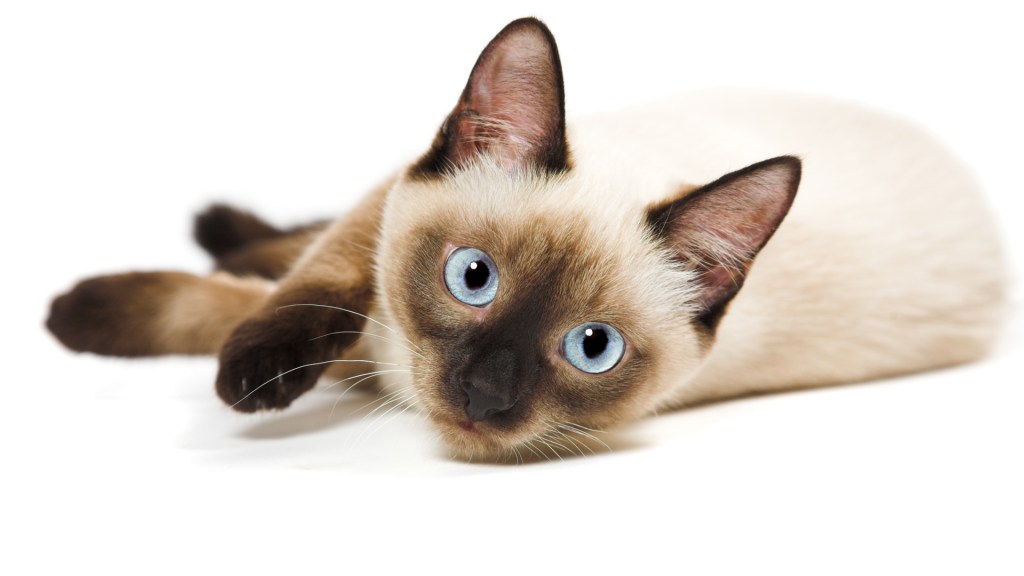
Siamese
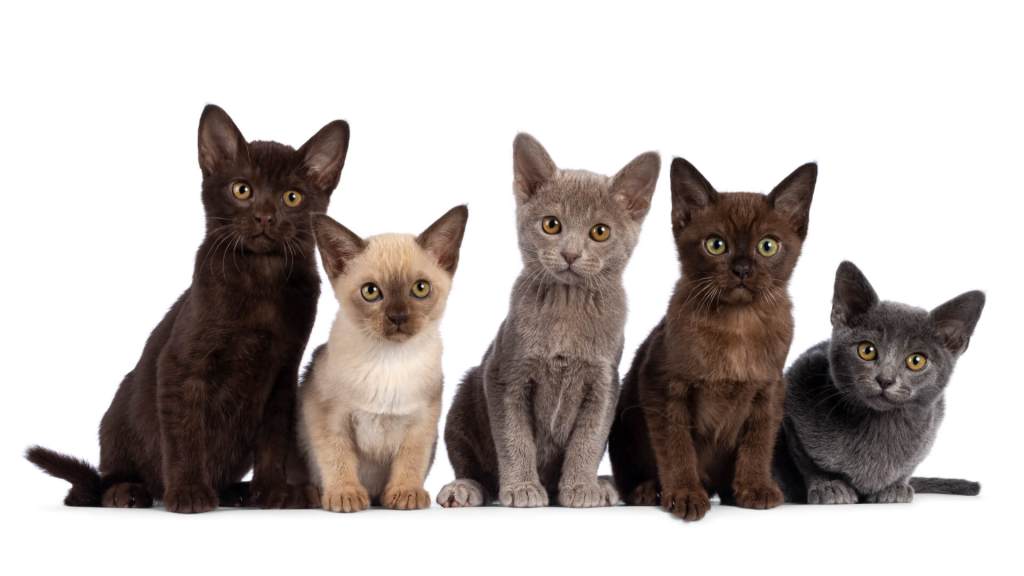
Known around the world as the Siamese cat, this breed is called Wichien Mat in Thailand – a name that translates as “moon diamond” or “golden diamond.” The poetic title speaks to the breed’s noble reputation, both in appearance and demeanor. Purebred Siamese cats have pale, creamy coats with darker faces, ears, paws, and tails. Historically, they were kept at royal courts and in Buddhist temples alike. They are believed to offer their owners protection and spiritual well-being.
Suphalak
The Suphalak is distinguished by its short, dense coat with a copper-brown sheen and luminous amber eyes. The earliest confirmed references to the breed date from the 14th to the 18th centuries, including its appearance in the “Treatise on Cats”, where it is described as one of the most auspicious varieties. Traditionally, the Suphalak has symbolized wealth, high social standing, and prosperity.
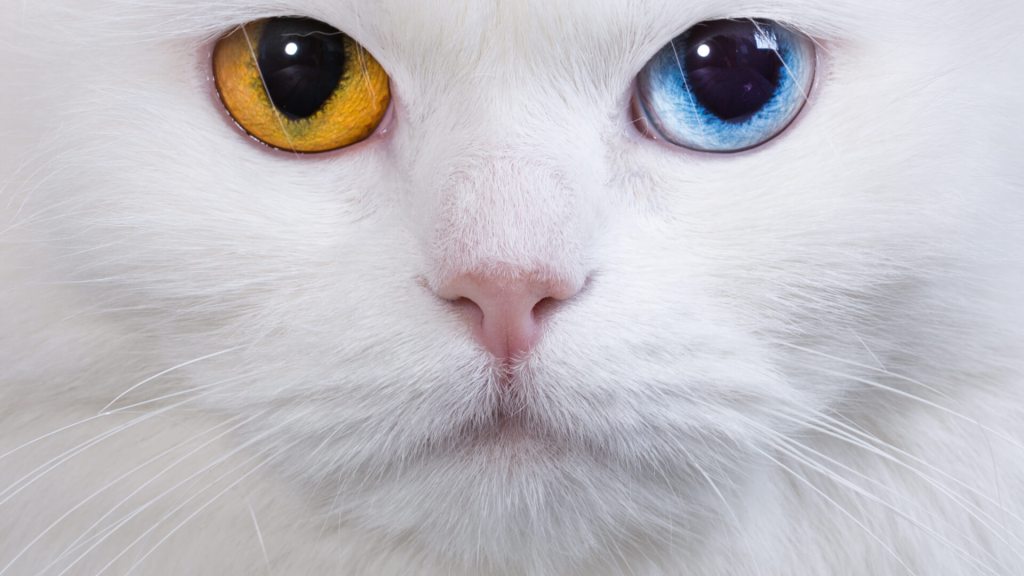
Khao Manee
Among Thai breeders, Khao Manee cats are some of the most prized and costly, making their Thai name, meaning “white jewel,” entirely fitting. Their coats are pure white, but their most striking feature is heterochromia: one eye blue, the other either yellow or green. Historically, these “white jewels” were royal court cats, and exporting them abroad was once strictly forbidden. In Thai belief, the Khao Manee brings good fortune into the home.
Korat
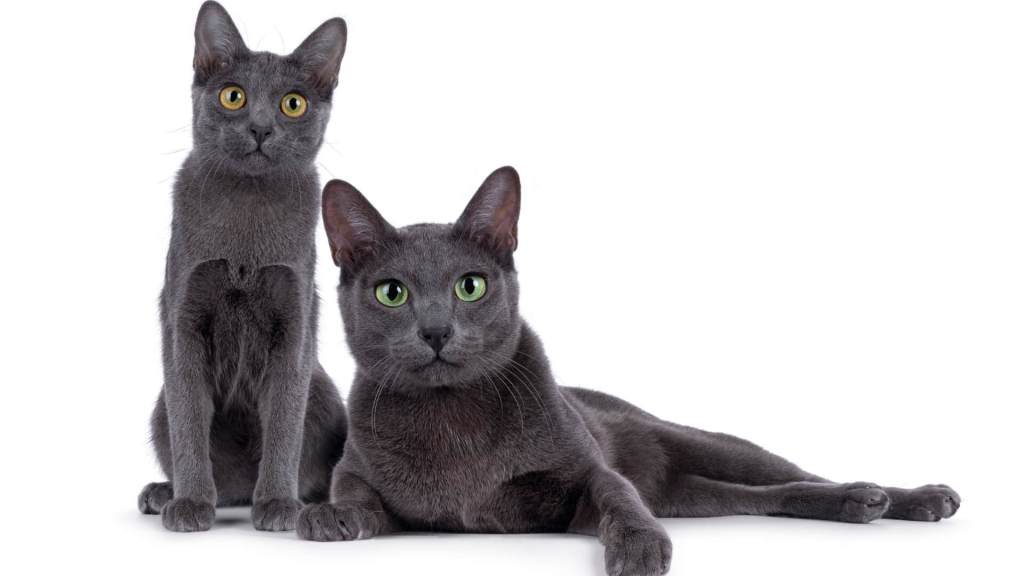
Korat cats originate from Nakhon Ratchasima province in northeastern Thailand. They are recognized by their silver-blue coats and large green eyes, often described as having an unusually soulful gaze. In Thai tradition, Korats are said to bring luck, happiness, and prosperity. During the Ayutthaya era, they were given as gifts to newlyweds.
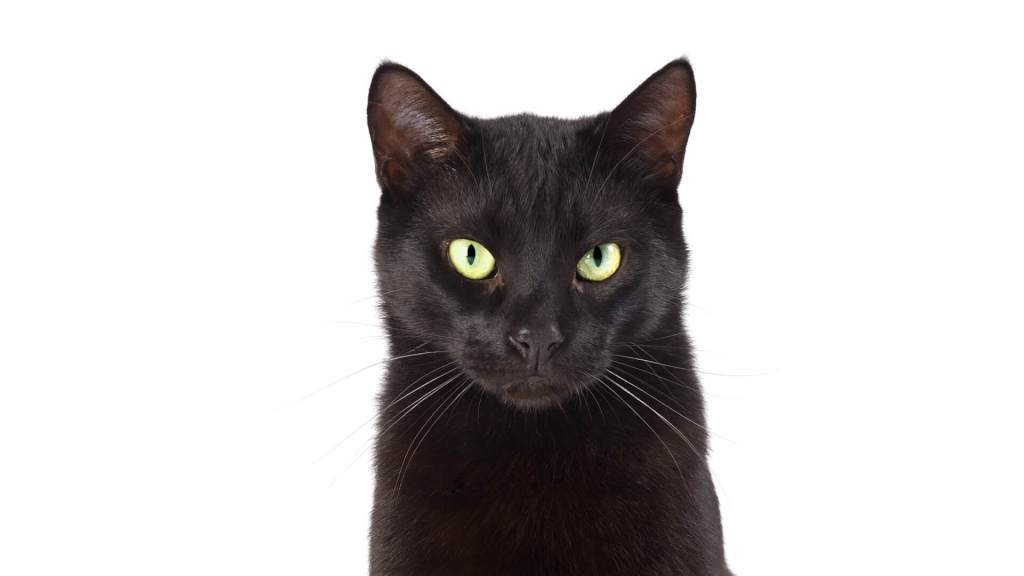
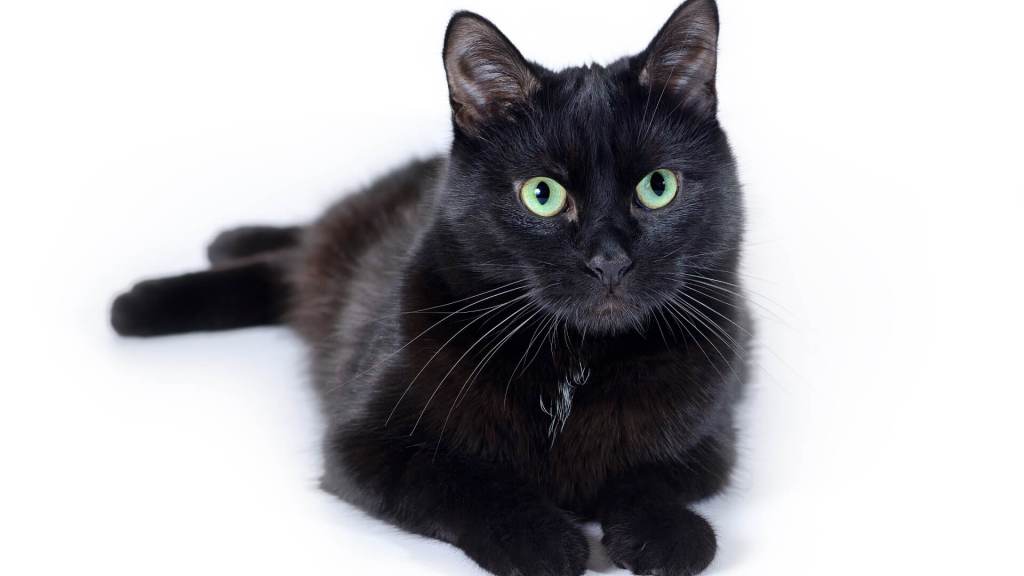
Konja
Melanism — the genetic trait that produces entirely black coats — is relatively common among Asian felines. In the wild, it gives rise to black panthers; among domestic cats, to the Konja. Ancient manuscripts praise these sleek black cats as protectors, believed to ward off hardship and evil spirits. Europe’s “unlucky” black cat might have solved its public image problem simply by relocating to Thailand.

