
Thai Dishes with Foreign Roots
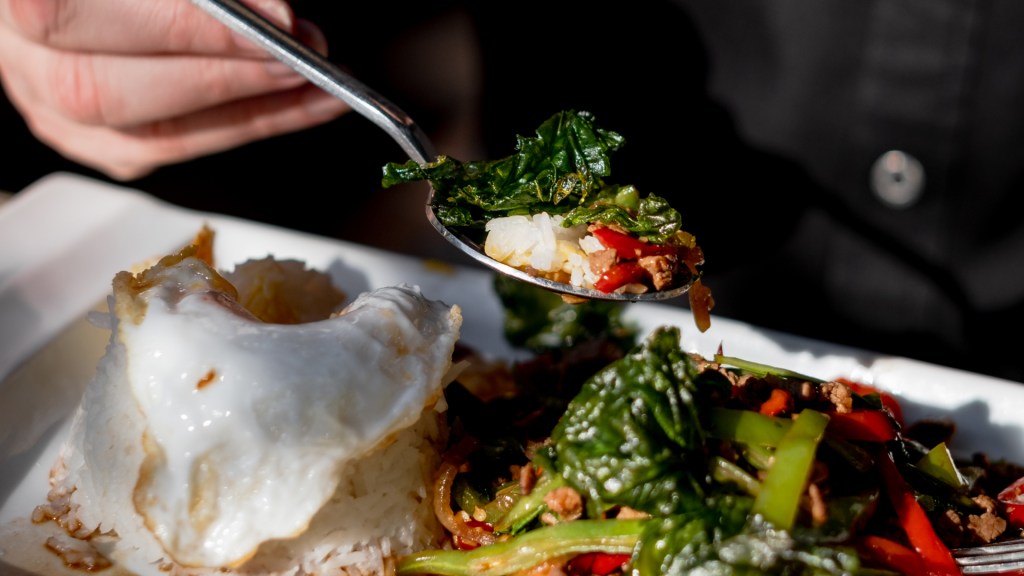


Only those who have never been to Thailand could fail to love Thai food. The country’s culinary scene is as diverse as it is refined – a fact confirmed by Condé Nast Traveller, which named Thailand the World’s Best Country for Food in the 2025 Readers’ Choice Awards. The Kingdom outranked Japan, Greece, and even Italy. Yet few people realize that some of Thailand’s most beloved dishes actually originated far beyond its borders.
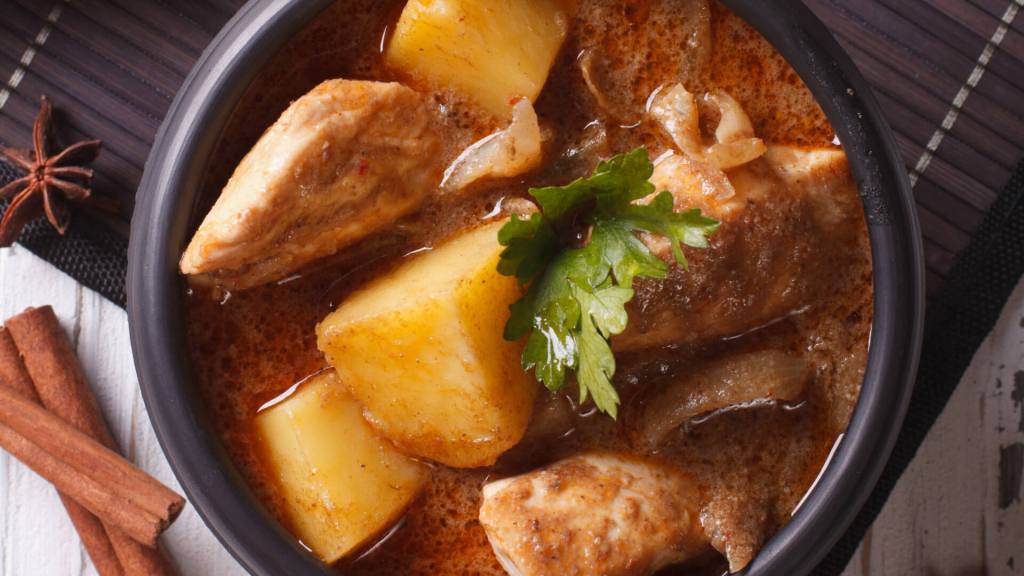
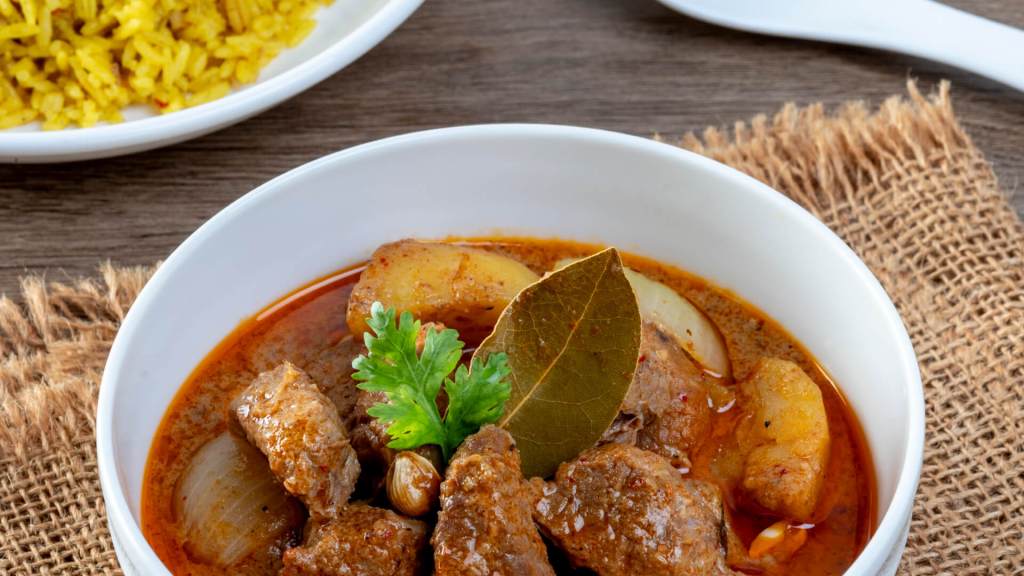
Massaman Curry
As its name suggests, this “Muslim curry” was brought to Siam by Persian traders. The dish is fragrant with Middle Eastern spices, silky in texture, and mild by Thai standards. Massaman curry was first reserved for the Royal Court before making its way into everyday kitchens.
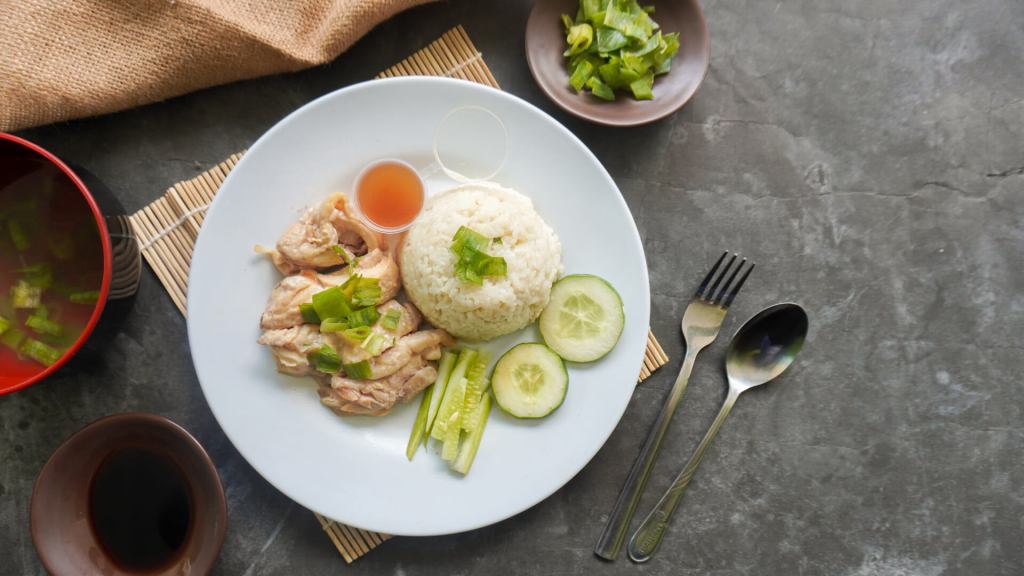
Chicken Rice
A godsend for tourists wearied by chili, khao man gai – better known internationally as Chicken Rice – is served with a ginger sauce on the side that can be added sparingly or not at all. The dish’s true origins lie in China: it is, in fact, a Hainanese chicken recipe adapted to Thai tastes.
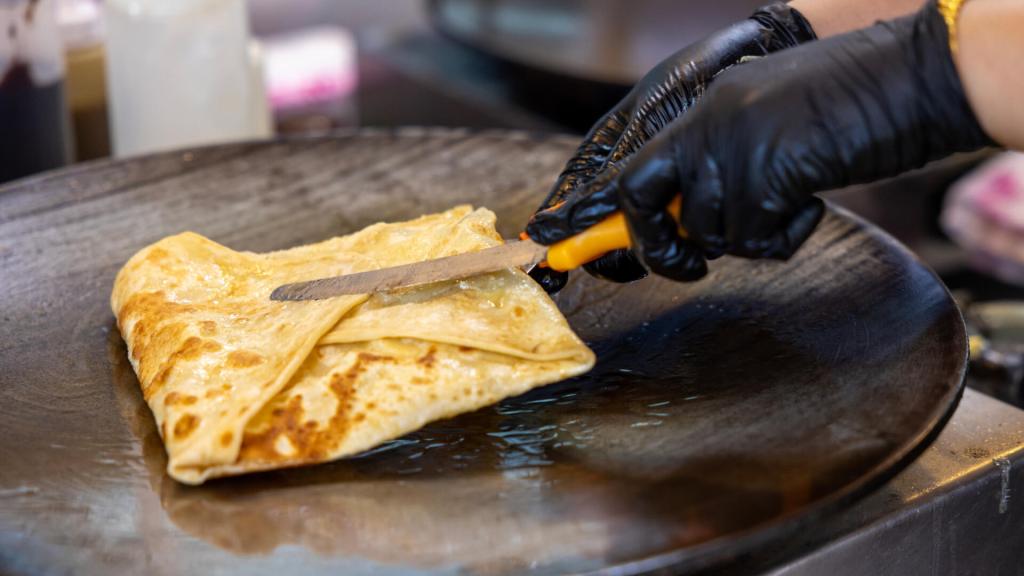
Roti
These beloved pancakes came from India centuries ago but have evolved so completely that Thai roti and Indian flatbread are now distinct culinary species. Sweet versions are among Thailand’s most popular street desserts, while savory ones can be found in cafés run by Thai Muslims.
Larb and Nam Tok
The stars of Northeastern Thai cuisine, larb and nam tok are fiery meat salads that have become staples of Thai dining. Their roots, however, trace back to the area that is now Laos – as does the famous green papaya salad som tam. Together, these dishes capture the shared culinary soul of the Thai and Lao nations.
Hokkien Mee
Chinese immigrants brought to Thailand many enduring dishes, including the Hainanese chicken mentioned above. Yet no Phuket story would be complete without its signature dish: Hokkien Mee. This hearty noodle stir-fry traveled from China through Malacca and even became a national favorite in Singapore. Phuket’s Chinese community adapted it in the late 19th century, creating a local version that remains a symbol of the island’s identity today.
Foreign influences ripple through countless other Thai creations – from all egg-yolk-based desserts (a confirmed Portuguese legacy) to the creamy tom yam soup (which reflects cross-cultural tastes of recent decades). These influences enrich Thai cooking with nuance and history.
The result is a cuisine so rich and harmonious that readers of Condé Nast Traveller awarded it an impressive 98.33 out of 100 points this year!
 Real Life in Phuket Magazine