
How Dangerous Are Jellyfish in Thailand?
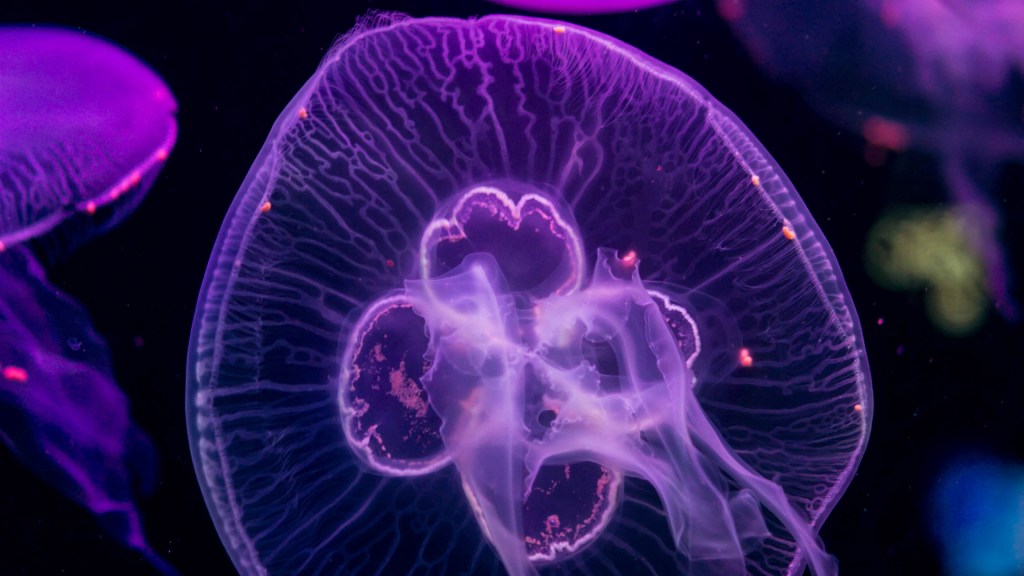
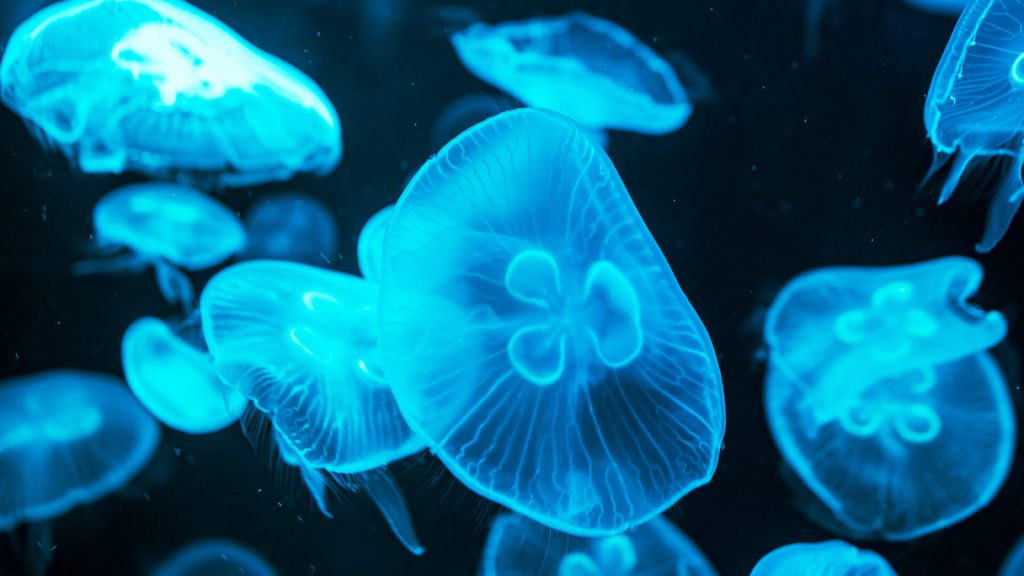
Thai beaches are dream alive for tourists and filmmakers alike. From Fast & Furious to The White Lotus, these crystal-clear waters have taken center stage in some of the most iconic tropical scenes on screen. But while the camera captures paradise, the shoreline tells a more complex story. For jellyfish, it’s home.
Jellyfish are mesmerizing creatures, but let’s face it – no one’s thrilled to meet one in the sea, venomous or not.
Scientists still haven’t cataloged all jellyfish species in the world’s oceans. Biologically, they’re distant cousins of corals and sea anemones. As for similarities with mammals? Almost none. Jellyfish have no brain, no heart, and are made up of about 95% water – yet they’re predators, armed with stinging cells used to catch prey and defend themselves.
Tourists often report being “stung” while swimming at beaches like Bang Tao, Karon, or Nai Harn – but in most cases, jellyfish aren’t to blame. The culprit is usually plankton, which thrives in warm coastal waters and can cause mild skin irritation. Plankton stings are annoying, but not dangerous.
Most jellyfish are also harmless, but around 1% of known species (roughly 100 out of 9,000+) are potentially dangerous to humans. The good news: most of those species don’t live in Thai waters. The not-so-good news: several types of stinging jellyfish are found in Thailand, and a close encounter can be more than just a surprise. Broadly, these jellyfish fall into three categories:
Box Jellyfish
Truly dangerous species belong to the Cubozoa class, which includes about 50 species worldwide. Shaped like a bottle, bell, or cube, box jellyfish have tentacles that can deliver powerful stings. In severe allergic reactions, they can even be fatal and fatalities have been recorded in Thailand.
In Thai waters, box jellyfish are found mostly in the Gulf of Thailand, which means visitors to islands like Samui and Phangan are more likely to encounter them. Phuket, which faces the open sea, is typically not their territory except for the eastern coast.
True Jellyfish
Known scientifically as Scyphozoa, true jellyfish number around 200 species and prefer calm, shallow waters. They’re often seen off Phuket’s east coast, around Samui, and in Pattaya. The jellyfish found in the Black Sea off Russia’s coast also belong to this group.
Many scyphozoans are harmless and even edible, but one notable exception is the fire jellyfish. Its stinging cells are highly venomous, and contact can cause intense burning.
Portuguese Man o’ War
Ironically, Thailand’s most notorious “jellyfish” isn’t a jellyfish at all. The Portuguese Man o’ War is a siphonophore – a colony of specialized organisms living and hunting together.
It consists of a gas-filled float that sits on the surface and tentacles that trail beneath. These creatures are not afraid of the open sea and often wash up on Phuket’s beaches between May and October, carried by winds and waves from the Indian Ocean.
Their sting is extremely painful, but so far, no fatalities have been recorded in Thailand.
How to Stay Safe
- Pay attention to warning signs posted by beach lifeguards.
- Avoid contact with any jellyfish-like sea creatures, in or out of the water.
- Don’t touch marine animals washed ashore, even if they appear lifeless.
- If you experience burning or irritation, contact a lifeguard immediately. If you’re referred to a doctor, don’t hesitate.
 Real Life in Phuket Magazine