
What fuels the global phenomenon of Thai Boxing
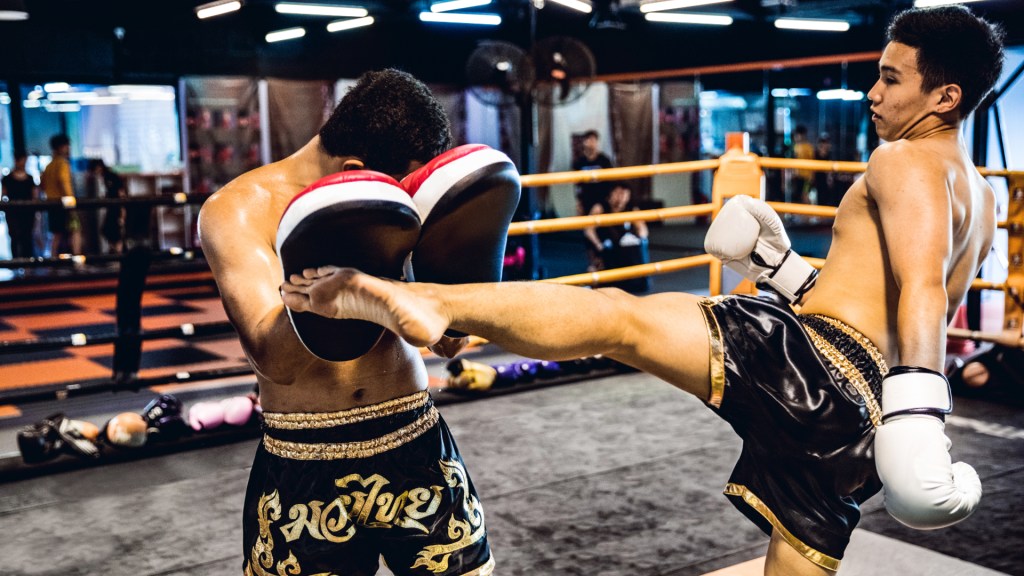
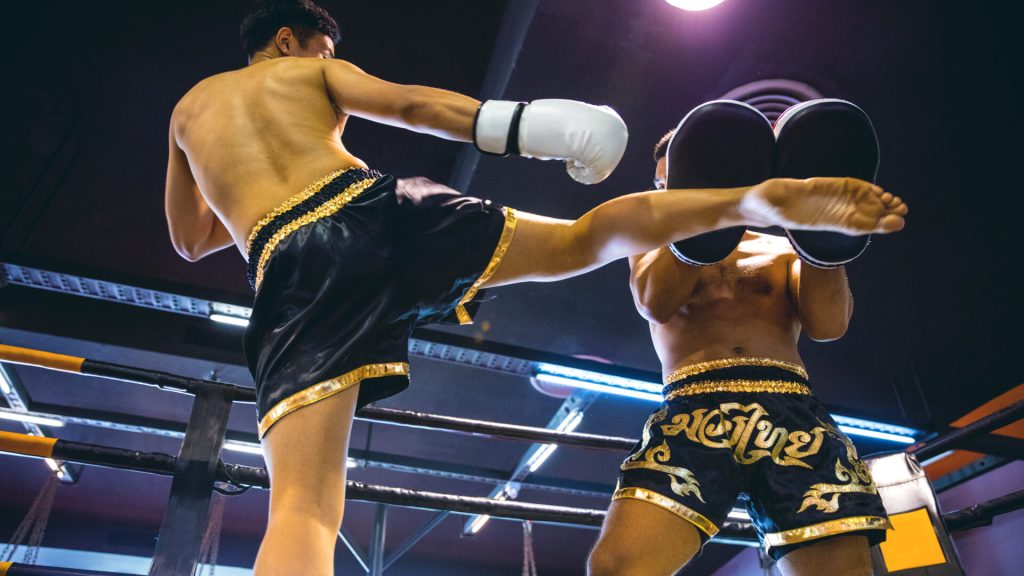

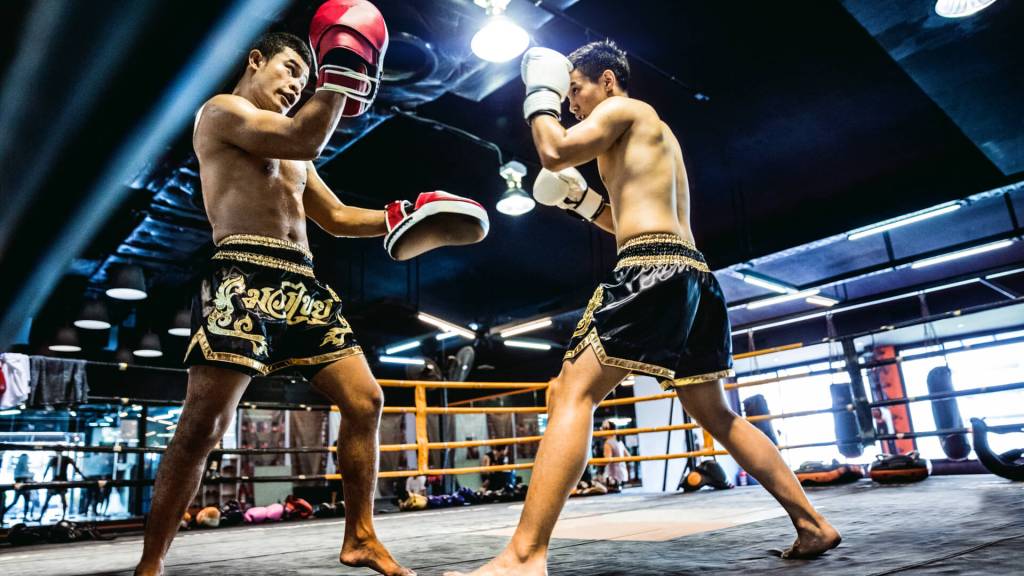
The rhythmic shouts and the heavy thuds of fists hitting punching bags are a familiar morning soundtrack in Phuket, where there’s even an entire street devoted to Thai boxing.
But Muay Thai is far more than just a sport for Thailand. It’s a pillar of national identity, a source of immense pride, and a living embodiment of “Thainess.” It’s also one of the most recognized symbols of the Land of Smiles.
Muay Thai’s roots stretch back over 700 years, with early European travelers recording a strange Siamese boxing style where not only fists and feet but also elbows and knees were used to strike.
This later earned Muay Thai its famous nickname: “the art of eight limbs.” Yet the word “muay” simply means “fight.”
While neighboring countries like Laos, Cambodia, and Myanmar also had traditional forms of boxing involving elbows and knees, their martial arts were often suppressed during colonial rule. Thailand, which was never colonized, elevated Muay Thai into a national treasure.
Its first great rise happened after the Thai–Burmese wars of the 18th century, while the second golden era came after World War II – when the legendary Bangkok stadiums of Rajadamnern and Lumpinee opened their doors.
Around the same time, in the second half of the 20th century, Westerners began discovering Asian martial arts. Compared to the polished movements of karate, taekwondo, and wushu, Muay Thai struck many as raw, brutal, and shockingly effective – a discipline focused not on elegance, but on defeating an opponent with ruthless efficiency.
Hollywood helped cement this gritty image. Films like “Kickboxer” and “Bloodsport,” both starring Jean-Claude Van Damme, became cult classics that romanticized Muay Thai. A typical plot twist would feature a European fighter mastering Thai boxing to achieve what he never could at home.
Through cinema and the growing success of Thai fighters in international kickboxing competitions, Muay Thai’s global reputation exploded – and then came the rise of mixed martial arts (MMA).
Mastering Muay Thai became almost a prerequisite for serious MMA fighters, where results mattered more than style points. Muay Thai’s techniques – honed for real combat, not showmanship – proved invaluable inside the cage.
Today, the global journey of Muay Thai continues. Every year, thousands of foreigners – many who have never even seen a Van Damme movie – travel to Thailand to follow the same path: discovering “muay Thai,” the “Thai fight.”
Learning Muay Thai offers more than just fitness. It’s a full immersion into Thai culture, a daily encounter with 700 years of tradition, a physical transformation, and a spiritual awakening.
This is what draws so many to Phuket’s boxing gyms, where mornings start with the sound of fists on bags – and vacations often end with stepping into the ring themselves.
 Real Life in Phuket Magazine