
From Prince Bira to the Thailand Grand Prix
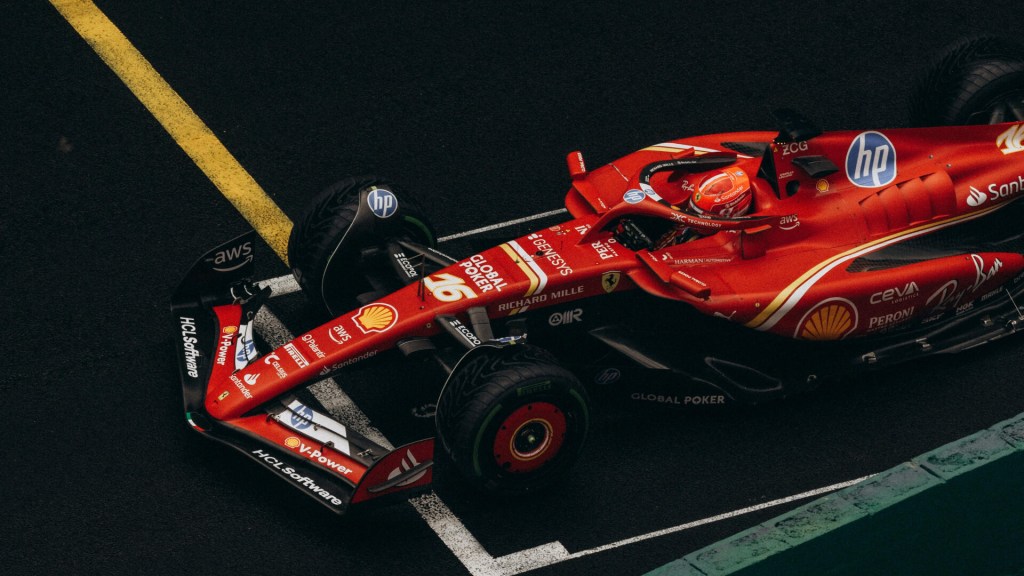
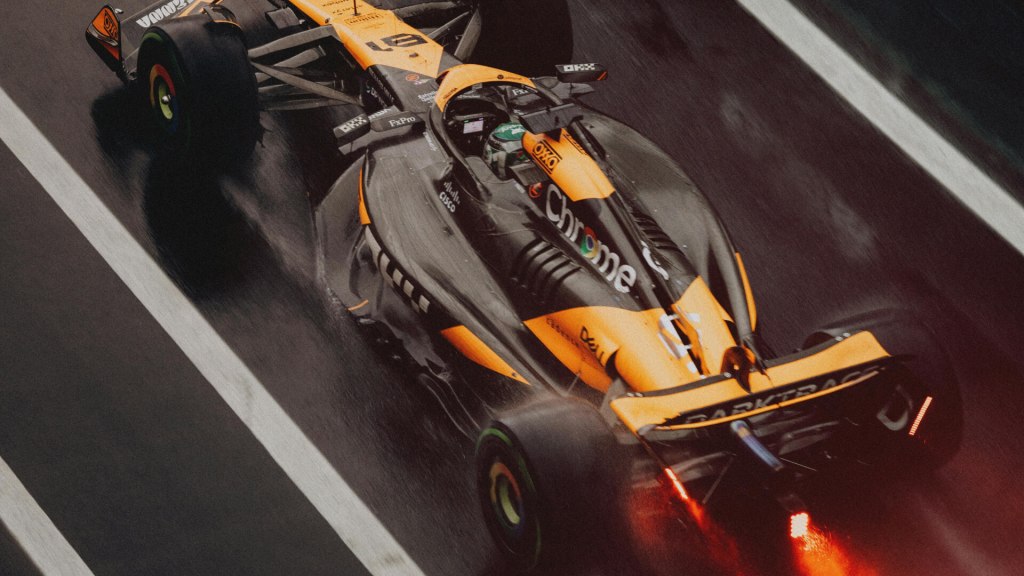
Few motorsport fans today would guess that one of the very first names in Formula 1 history belonged to a Thai national. Yet on May 13, 1950, as the flag dropped at Silverstone for the inaugural Formula 1 World Championship race, Prince Birabongse Bhanudej Bhanubandh – better known as Prince Bira – was on the starting grid.
A member of the Thai royal family and a Cambridge-educated gentleman racer, Prince Bira competed in Formula 1 until 1954. Then came a seven-decade silence.
It wasn’t until 2019 that Thailand returned to the global stage, when Alex Albon became the first Thai F1 driver of the modern era. Since then, Albon has continued to race at the sport’s highest level, and has already met twice with Prime Minister Paetongtarn Shinawatra, a strong advocate for bringing Formula 1 to Thailand.
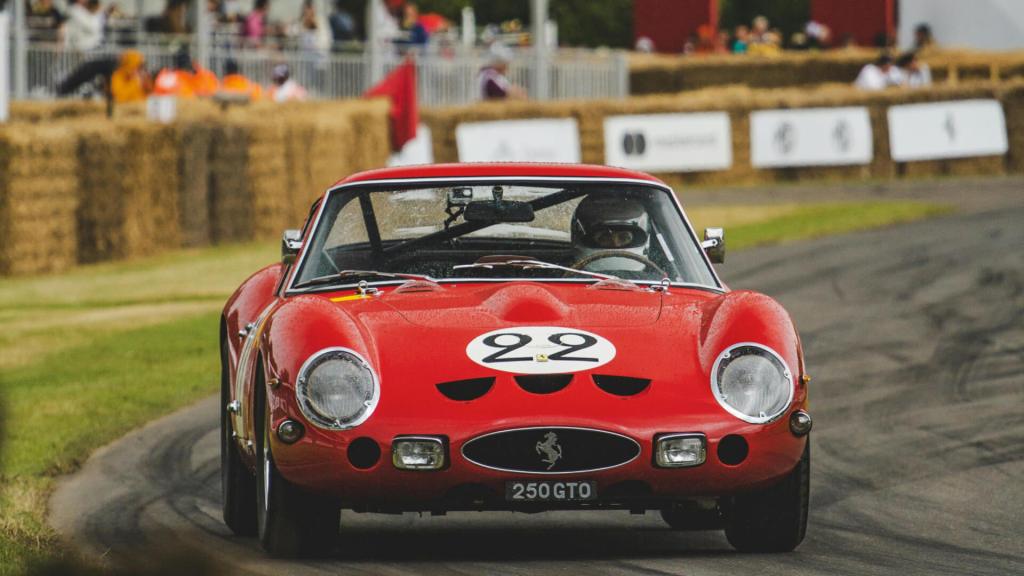
“If you can dream it, you can do it.”
— Enzo Ferrari
The idea was first floated by Prime Minister Srettha Thavisin, who proposed hosting a Grand Prix in Chonburi. But Paetongtarn’s vision is even more ambitious: a street circuit winding through Bangkok, capturing global attention much like the Marina Bay Circuit transformed Singapore into an F1 icon. Recently, the Royal Turf Club of Thailand added fuel to the fire, proposing a racetrack as part of the Phuket Entertainment Complex – a vast island development that may include a casino.
Skeptics may ask: can Thailand really pull it off? The answer lies in Buriram, where the Chang International Circuit has already proven itself as a world-class MotoGP venue and is certified by the FIA for Formula 1. Economically, the case is equally strong. Countries like Japan, China, and Singapore successfully host annual F1 races, attracting hundreds of thousands of fans and generating billions in revenue.
For Thailand, a Bangkok street race represents the most significant economic opportunity – boosting tourism, international media exposure, and national branding. As the country’s main transport hub, Bangkok is ideally positioned to deliver widespread impact. And Phuket stands to benefit immensely without compromising its sustainability image.
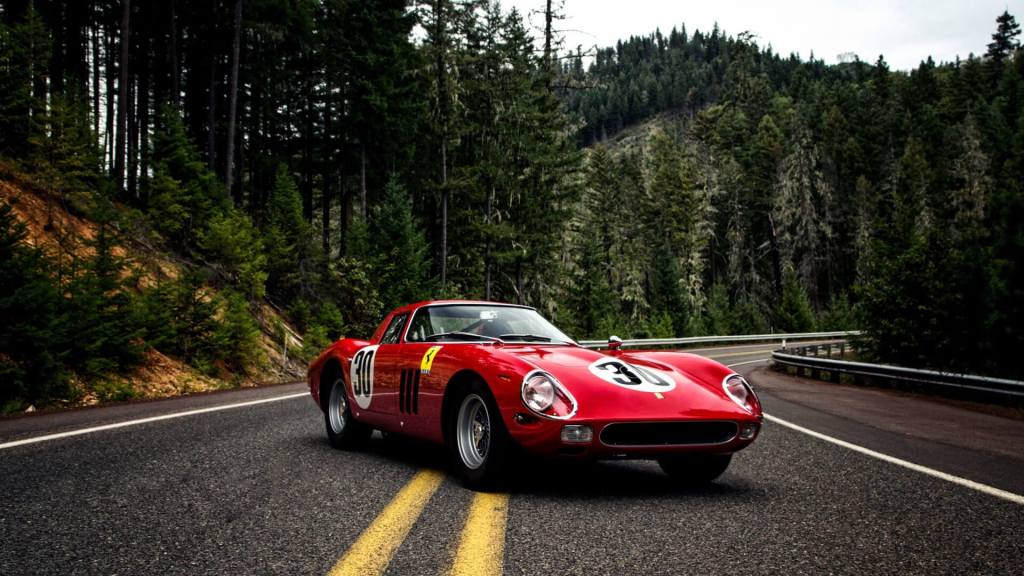
“I never give up, never.
If I believe in something, I go ahead.”— Ferruccio Lamborghini
The strategy is to create a “spillover effect” for destinations like Phuket – attracting affluent racegoers to the island’s luxury resorts, wellness sanctuaries, and yachting marinas after the checkered flag is waved in the capital. Airlines could increase domestic flight frequency, and travel operators may craft twin-city packages combining urban thrill with island escape.
In essence, Phuket could become the unofficial “cool-down lap” of the Thai Grand Prix experience – a place for relaxation, indulgence, and continued high-end spending.
Hardly could Prince Bira have imagined such a future when he first fired up his F1 car in 1950. But today, Thailand’s cabinet has officially approved a plan to bid for hosting rights, with a Bangkok Grand Prix proposed for five consecutive years starting in 2028. The estimated B40 billion baht cost is expected to break even within the first year.
The engines are already warming up!
 Real Life in Phuket Magazine