
Getting to know a Thai elephant


Julia Sinikova
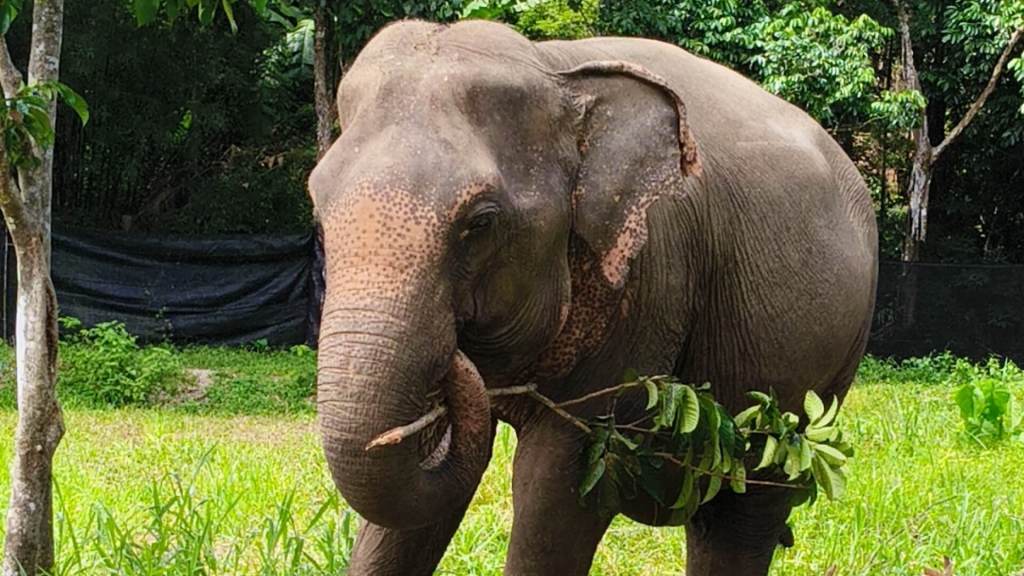
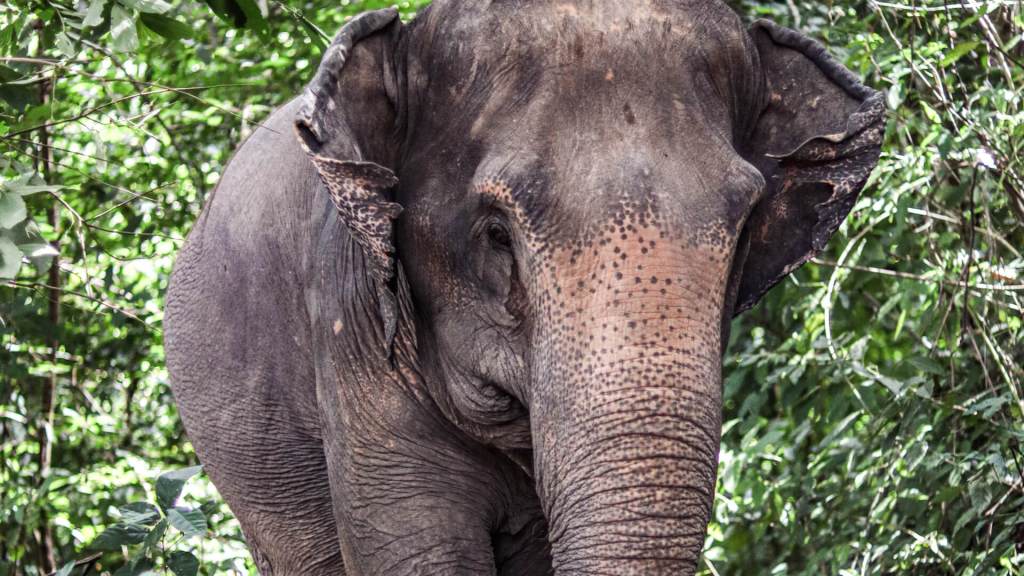
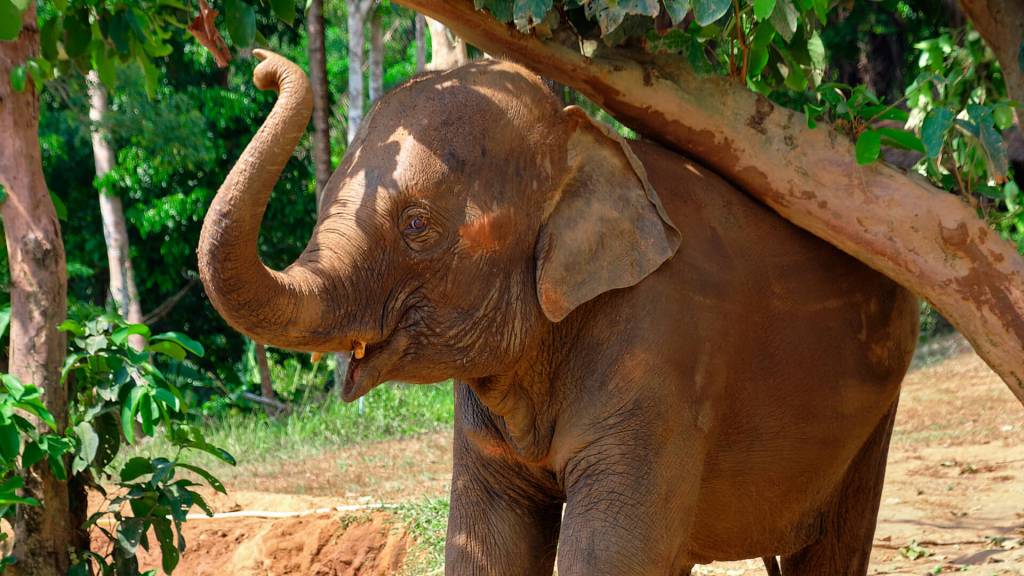
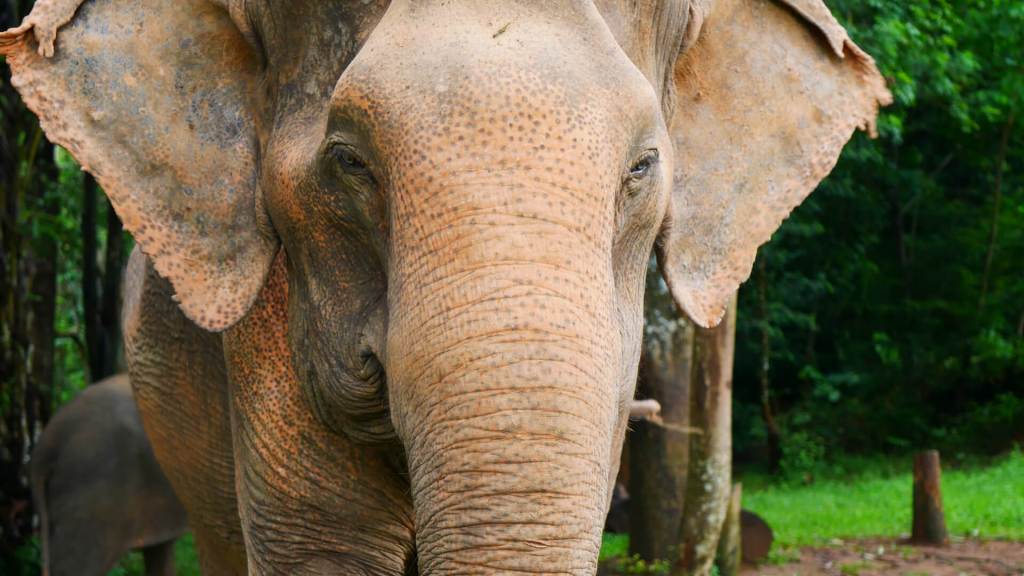
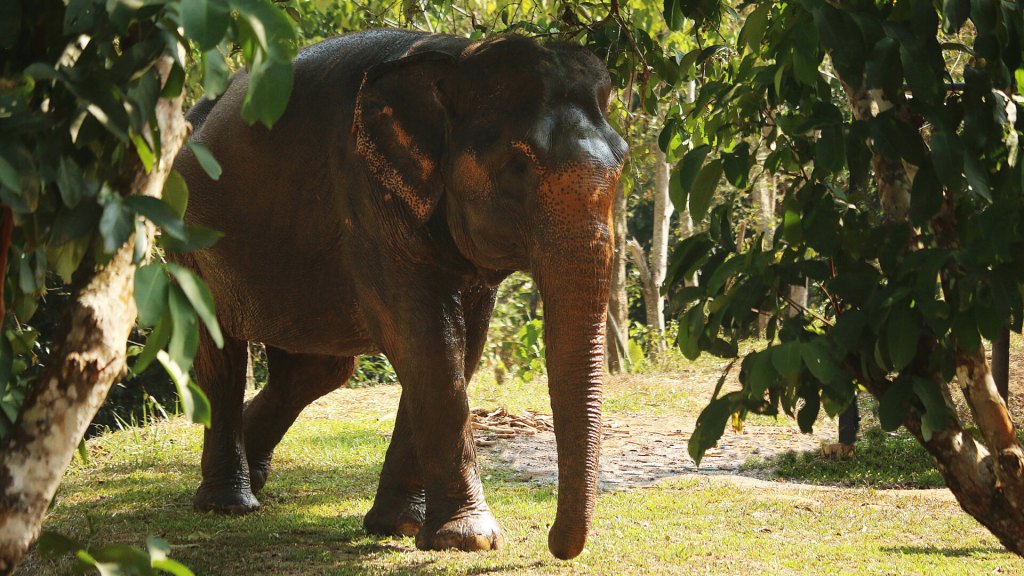
photo by Phuket Elephant Nature Reserve
Asian elephants have strong family bonds. They live in matriarchal herds, typically led by the oldest female.
Elephants communicate using a range of vocalizations, body language, and even seismic vibrations that travel through the ground.
Asian elephants have one of the longest pregnancies of any mammal, lasting about 18-22 months. Normally, one baby is born though twins might occur.
Known for their excellent memories, Asian elephants can remember locations of water and food sources across vast areas.
In Thai Buddhism, elephants are linked to teachings of patience, endurance, and strength. Being touched by an elephant’s trunk is considered good luck.
Elephants hold a significant place in Thai culture, symbolizing monarchy and national pride. For centuries, sacred white elephants have been kept by the royal family, while other elephants served as valuable working animals and brave companions to warriors. Quite literally, elephants fed and defended the Thai people.
Thailand is home to an estimated 3,000 to 3,500 wild elephants, primarily residing in protected areas and national parks, such as Kaeng Krachan and Khao Yai.
A visit to the Land of Smiles feels incomplete without encountering these majestic animals. Yet, a typical elephant show does little to honor these great creatures. Despite being cared for and loved by their herders (locally known as ‘mahouts’), the elephants live in captivity.
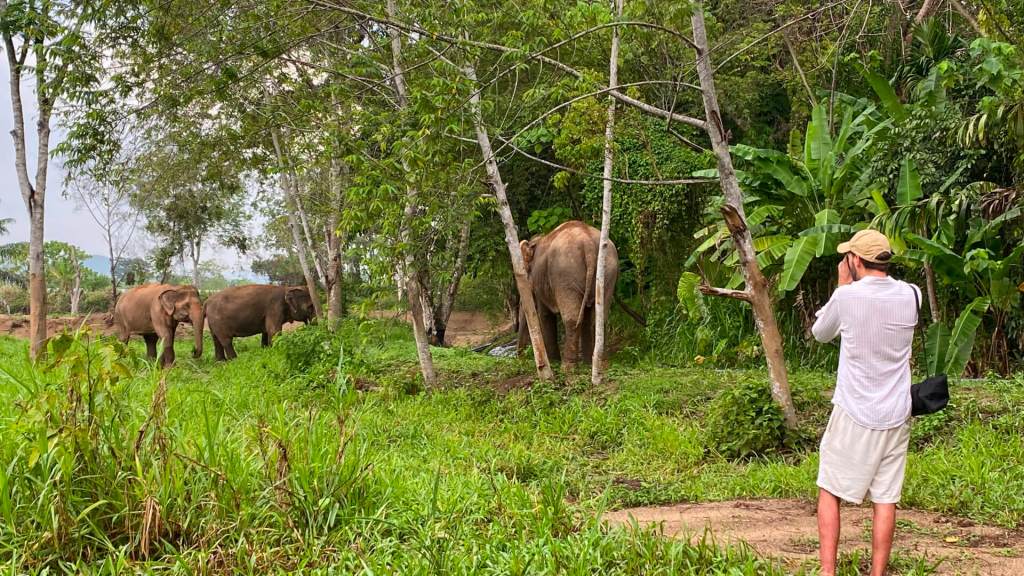
Fortunately, a better alternative has emerged, as more elephant sanctuaries open in Phuket, offering tourists a chance to interact with elephants living happily in their natural environment – without human control or forced performances.
Elephant sanctuaries are like miniature nature reserves that host several elephants, primarily retirees who have already entertained enough and now deserve to enjoy their lives.
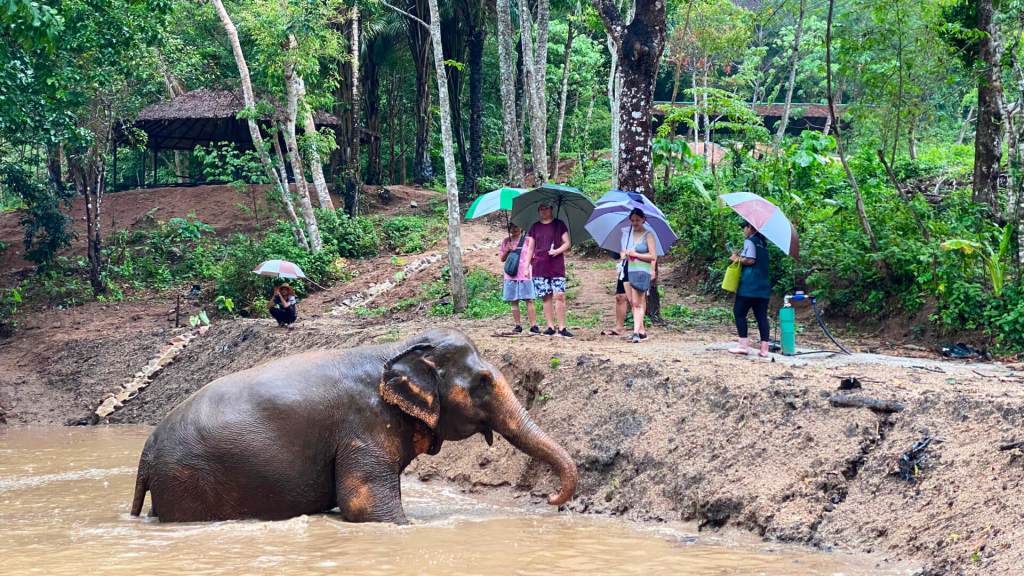
The entrance fee to a sanctuary is a donation fully allocated to covering the substantial costs of providing these elephants with happy lives, where they can enjoy walks, baths, food, and interaction with humans on their own terms.
According to World Animal Protection Thailand, an elephant should be free to roam for a minimum of eight hours a day, simply doing whatever it pleases. And what does this gentle giant choose to do?
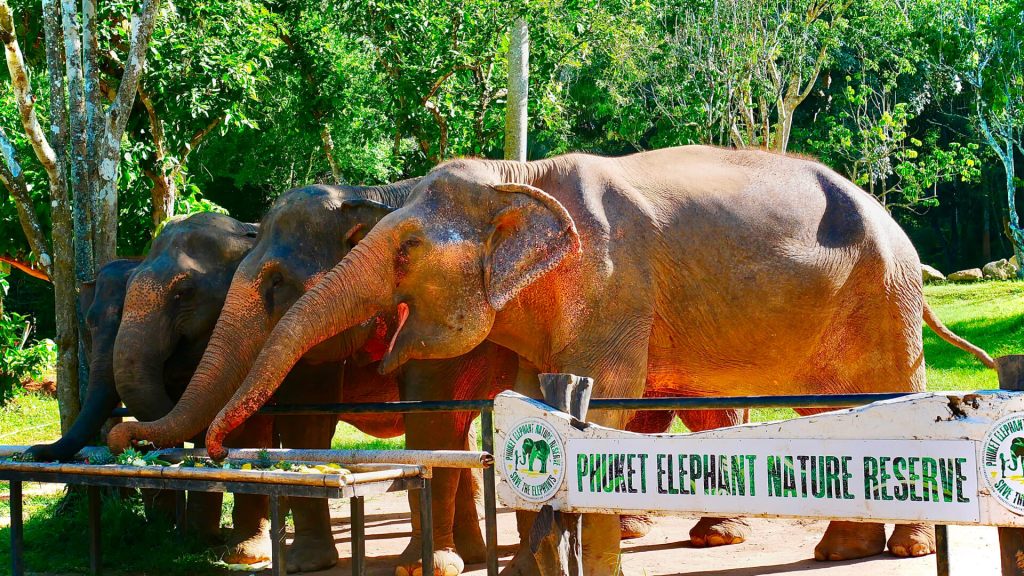
“One amazing fact about Thai elephants is that they eat up to 10% of their body weight daily. That’s about 150 kg of food each day. Here, we have four elephants consuming around 500 kg of food daily!” says Mr. Cam McLean of Phuket Elephant Nature Reserve.
Mr. Cam guides us through the vast central Phuket territory his project occupies, which was honored as Elephant Sanctuary of the Year 2023. While we walk, he explains that an elephant’s day usually begins with a bath and breakfast, which then blends into lunch, dinner, and that familiar late-night snack.
“You know, a happy elephant is one that can just be an elephant, doing what it wants to do.”
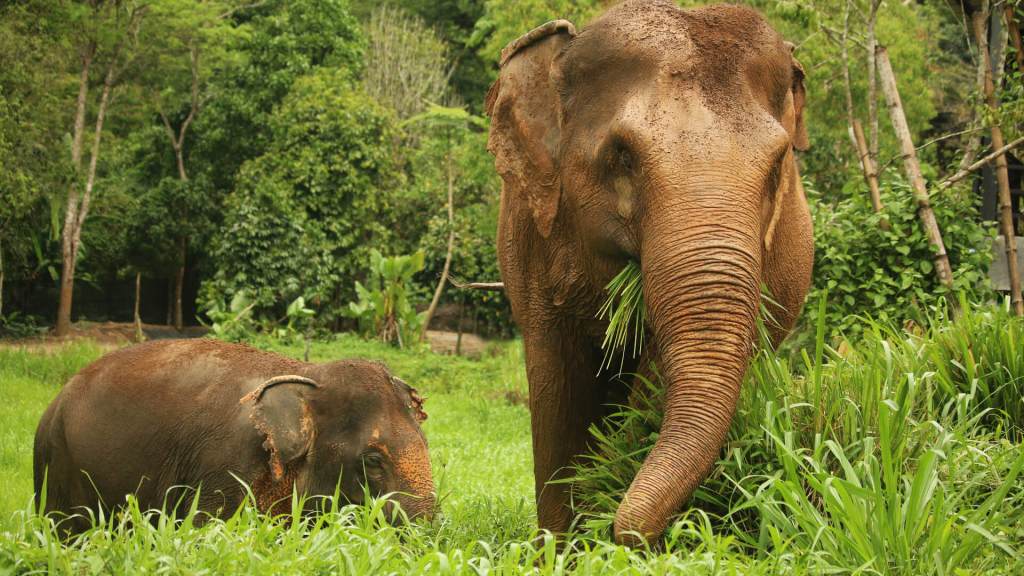
The elephants’ feasting is punctuated by leisure activities. In the wild, elephants can cover 10-20 km a day searching for food. At the sanctuary, they can do the same, wandering around for fun before and after meals.
“They like to play in the mud, go swimming, and roam up into the jungle,” Mr. Cam explains.
Creating an elephant sanctuary begins with renting a large parcel of land. Then come food and medical expenses, as most elephants in sanctuaries are retirees. Sanctuaries also need to employ sufficient staff – typically at least 4-5 people per elephant.
This is exactly why sanctuaries rely on visitors and entry donations. The goal may sound simple, perhaps even naïve, but it’s profoundly meaningful: to make an elephant happy.
“You know, a happy elephant is one that can just be an elephant, doing what it wants to do,” Mr. Cam says. And, in this shared desire, these gentle giants are not so different from us.
 Real Life in Phuket Magazine