
Jim Thompson’s fascinating life and legacy
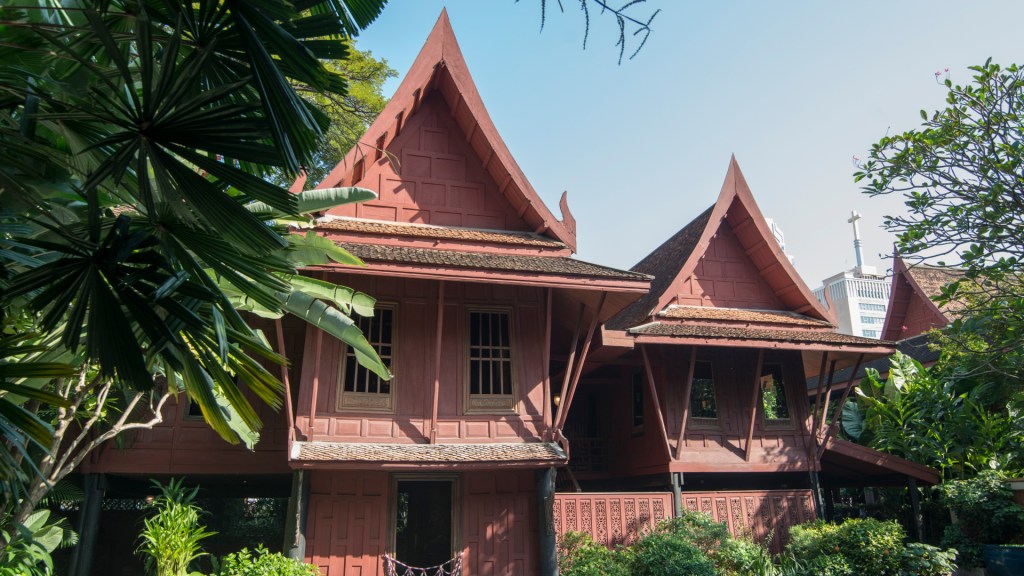
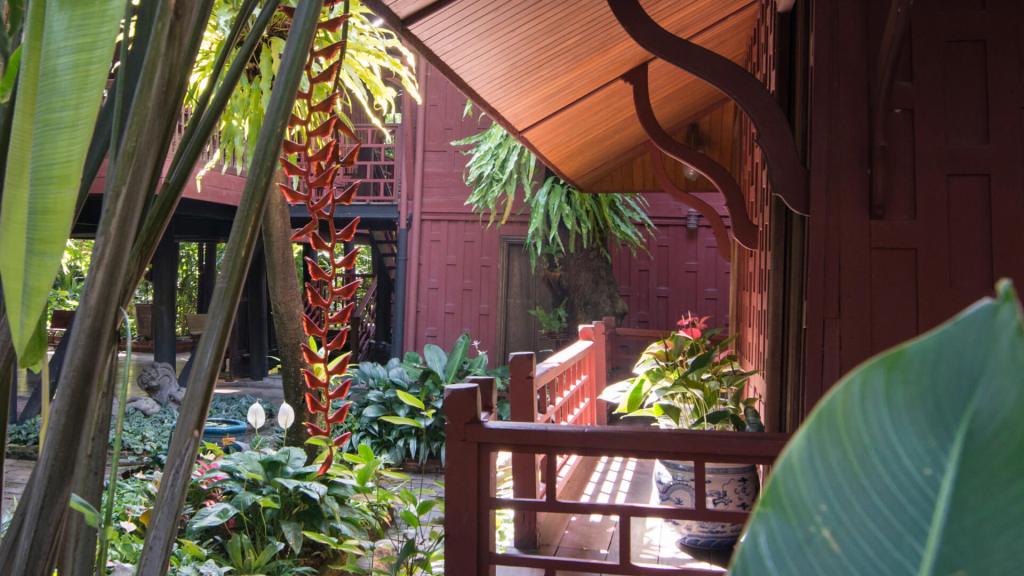
If you’ve been to Thailand, you’ve likely encountered the iconic Jim Thompson silk shops. Behind these elegant stores lies an intriguing story – one of adventure, art, mystery, and even some Russian connections. This is the tale of Jim Thompson, a man who brought Thai silk to the global stage.
Henry Thompson, Jim’s father, was the head of a textile company in New York and had a deep passion for architecture and design. This familial connection to textiles may have shaped Jim’s destiny. Adding to this legacy was his maternal grandfather’s personal acquaintance with King Rama VI of Siam, a connection that may have piqued Jim’s interest in Thailand.
Jim’s fascination with the arts began early. He served on the board of the Ballets Russes de Monte-Carlo, a troupe featuring luminaries like George Balanchine and Tamara Toumanova. His love for ballet was ignited by seeing the legendary performance of The Afternoon of a Faun by Diaghilev’s company. The vibrant colors and intricate patterns of designer Léon Bakst’s work left a lasting impression, later inspiring Thompson’s silk designs.
In June 1942, Thompson joined the U.S. intelligence service. After Germany’s defeat, he trained in Ceylon to prepare for infiltration into Japanese-occupied Thailand. However, Japan’s surrender rendered the mission unnecessary. Disillusioned, Thompson declined a leadership role in the intelligence bureau. Instead, he and some friends left the CIA and settled in Bangkok, captivated by the city’s allure.
While exploring Bangkok, Thompson stumbled upon a roll of silk. The charm of the fabric was evident, but the outdated patterns and poor dye quality reflected a craft in decline. Thai silk, woven by Muslim artisans in Bangkok using mulberry trees from the arid northeast, was on the brink of extinction. Imported textiles had overshadowed local production, and weavers were abandoning their looms.
Thompson saw an opportunity. With the support of U.S. trade attaché James Scott, he founded his silk business in 1947. Scott, who had witnessed a similar revival of brocade in Syria, believed Thai silk could find a market in Europe.
Thompson’s knack for public relations and his extensive social network were key to his success. In 1947, he took 500 silk samples to New York, leveraging connections with editors at Vanity Fair and Vogue.
Valentina Schlee, a prominent American fashion designer of Russian descent, purchased the fabrics. Soon after, Vogue featured a dress made from Thompson’s silk. Within a year, his sales reached $48,000. By 1957, the company’s revenue soared to $650,000, with 156 stores in Bangkok alone.
As demand for Thai silk grew, local producers persuaded farmers to switch from raising buffalo to cultivating mulberry trees, ensuring a steady supply of raw materials.
Over 20 years, Jim Thompson became a cultural icon, with his company’s revenue exceeding $1.5 million. Despite his success, he remained single and childless. Thompson was close friends with Connie Mangskau, a Bangkok socialite who hosted luminaries like John Rockefeller and Henry Ford.
In March 1967, Thompson and Mangskau visited Malaysia, staying at the home of Dr. Lin Tien Chye, a prominent chemist.
On the third day of their visit, Thompson went for a walk in the jungle – and never returned. Despite extensive searches involving locals and even psychics, Thompson was never found.
That same year, Thompson’s sister was murdered in the U.S., further fueling speculation. Some biographers suggest Thompson was nearly bankrupt at the time, while others theorize, he resumed work for the CIA and fell out of favor due to his opposition to the Vietnam War.
Thompson believed in astrology, and a note on his office wall predicted his death at age 61. Remarkably, he vanished just five days after his 61st birthday.
Jim Thompson’s life remains shrouded in mystery, but his impact is undeniable. By reviving a dying craft, he not only preserved Thai silk, but elevated it to a globally celebrated art form. His silk empire continues to thrive, a testament to his vision and entrepreneurial spirit.
His story – woven with threads of art, adventure, and intrigue – continues to inspire and captivate, much like the vibrant silks that bear his name.
Jim Thompson’s silk business still operates in Thailand to this day. If you find yourself in Bangkok, be sure to visit one of his stores and his house, which now serves as a museum. The Jim Thompson House is located on Soi Kasemsan 2, near the National Stadium BTS station.
 Real Life in Phuket Magazine