
Many things make the Land of Smiles unique, and one of them is that Thailand celebrates New Year three times, with each celebration occurring at a different time of the year.
Western New Year
The tradition to celebrate New Year on the morning of January 1 was adopted in 1940 when the acting Prime Minister decreed January 1, 1941, as the start of the new year using the Gregorian calendar. The event is generally celebrated by more westernized Thais, who travel to visit relatives or spend holidays at tourist sites on New Year Eve.
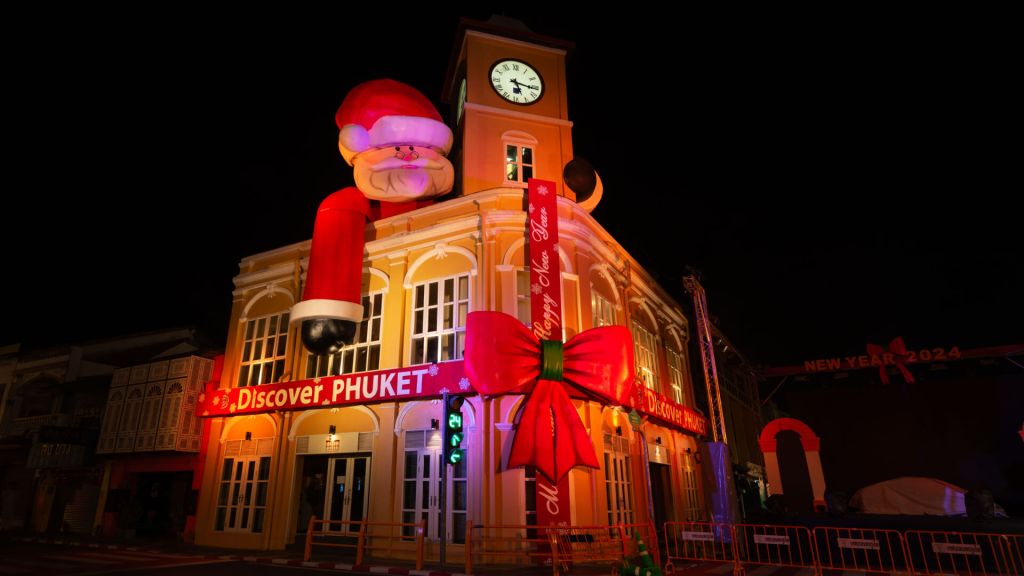
New Year’s Eve on Phuket is a major event and can be celebrated inexpensively, lavishly, or anywhere in between. Phuket’s West Coast transforms into one mega party zone with celebrations on almost every beach and in every town.
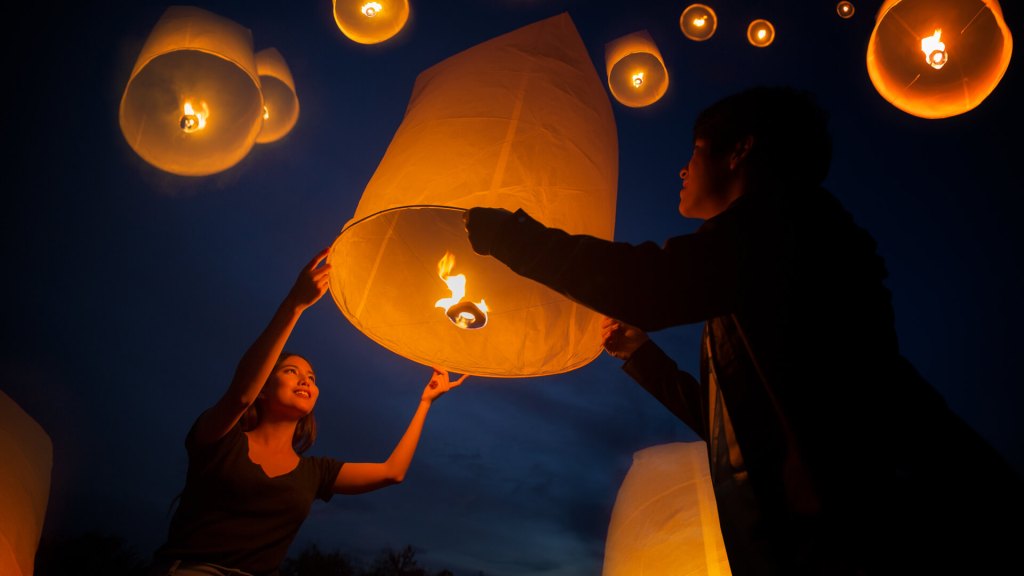
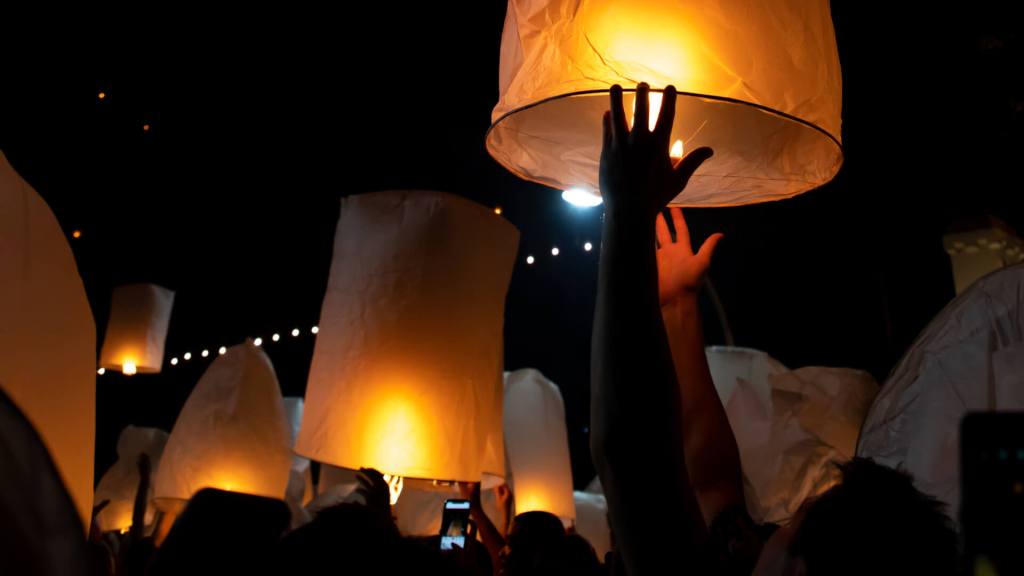
The island is illuminated by thousands of sky lanterns floating heavenward, symbolizing the sins and bad luck of the past year drifting away. Fireworks illuminate the night sky, climaxing at midnight.
Thais, as well as expats and tourists, usually start the evening meeting friends for sumptuous gala dinners and parties organized by top resorts and restaurants around the island.
Those who don’t want to splurge can attend Phuket’s largest free party on Patong Beach or celebrate in Sanam Chai Park in Phuket Town. The music and festivities here have a distinctly local flavor.
Whether you wish to enjoy a high-end beach party or a free, fun-filled local shindig, Phuket offers a vast range of choices to start the new year with a bang.
Thai New Year
The Thai New Year, or Songkran, is a famously watery affair and is therefore often simply called the “water festival.”
Water is believed to wash away bad luck from the previous year and replace it with good fortune. Moreover, it symbolizes cleansing and a rejuvenation of the spirit. Therefore, people throw huge amounts of water on each other to celebrate Songkran.
Buddhist beliefs, ancient astrology, and the solar calendar all contribute to the origins of “Songkran,” a word derived from Sanskrit, meaning “transformation” or “change.” Nowadays, Songkran has a fixed date from April 13-15 each year.
In the days before Songkran, special food is prepared, and Thais clean their homes, symbolically expelling bad luck from the prior year and preparing for good fortune in the coming 12 months.
The day usually starts with family members visiting the temple to offer alms to the monks, receive blessings, and participate in ceremonial prayers. Scented water is sprinkled from silver bowls onto Buddha images and the roots of ancient banyan trees, symbolizing blessings to ancestors.
By midday, the streets are lined with “water warriors” armed with water guns or hose pipes, spraying passersby or shooting at passengers on the back of pick-up trucks – who counterattack by throwing buckets of cold water at them.
In Phuket, most Songkran activities take place in Patong, the island’s party town.
Chinese New Year
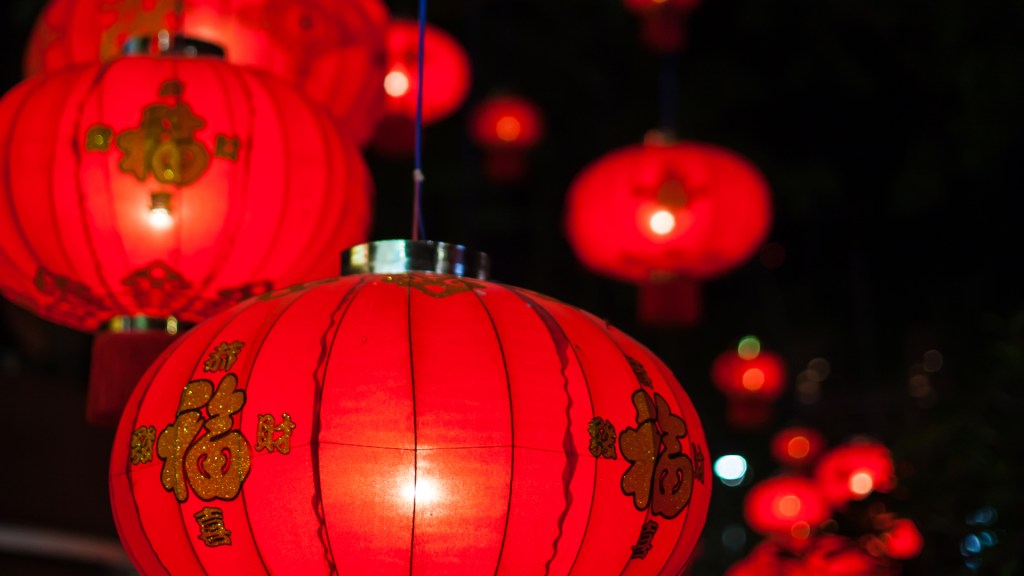
If you’re in Phuket for Chinese New Year, prepare for noisy firecrackers, the sounds of cymbals, drums, and gongs, colorful processions such as the Dragon Dance, good food, and local entertainment.
Every year, about 1.4 billion Chinese in China and an estimated 50 million ethnic Chinese worldwide celebrate Chinese New Year, also called the Spring Festival. In Thailand, it is widely celebrated in provinces with large Thai-Chinese communities, one of which is Phuket.
The date of the festival isn’t fixed, as it follows the cycles of the moon. It begins on the last day of the Chinese lunar year and ends on the 15th day of the next lunar year.
Chinese New Year is a festival of family reunion, ancestor worship, religious rituals, feasting, and thanksgiving. The main festivities for the Lunar New Year are centered in Phuket Town and typically include acrobats, dancers, and dragons. Locals and tourists enjoy magnificent cultural and historical performances such as Chinese opera, Kung Fu displays, and folk dances depicting Chinese traditions.
Making a lot of noise with firecrackers and drumbeats is believed to keep bad spirits away, as the loud noises symbolize driving away fear. Wearing new red clothes represents good fortune and joy for the next year.
Another custom is giving out Hongbao – red envelopes containing money. These are gifted by parents to children, grandparents, and others. For the Chinese, red signifies happiness, good luck, and energy, and wrapping money in red packets is thought to bring blessings to the recipient.
Family members and friends also exchange oranges and tangerines, symbolic of good health, longevity, prosperity, success, and good fortune.
 Real Life in Phuket Magazine