
Peranakan heritage comes to life in Phuket
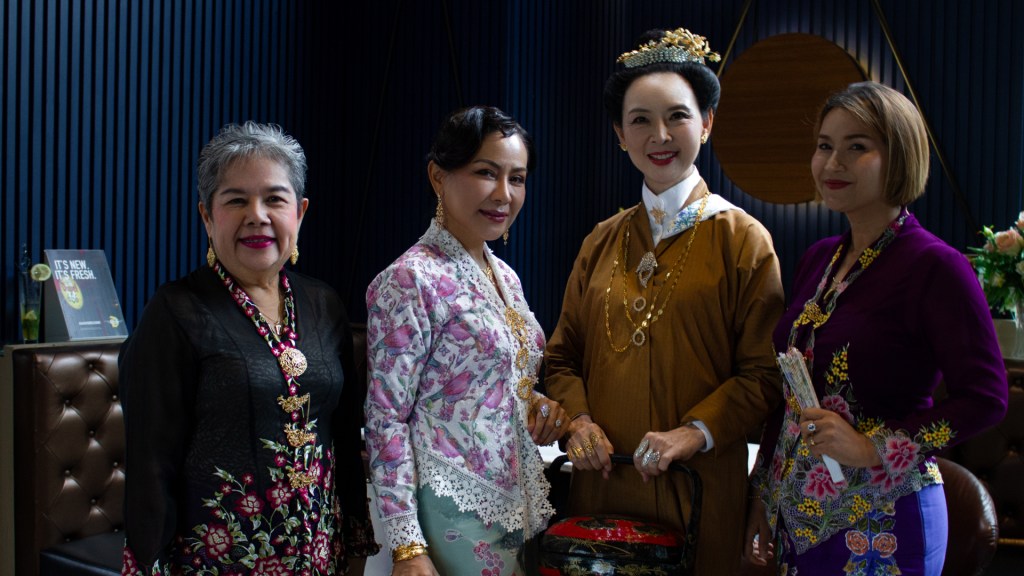

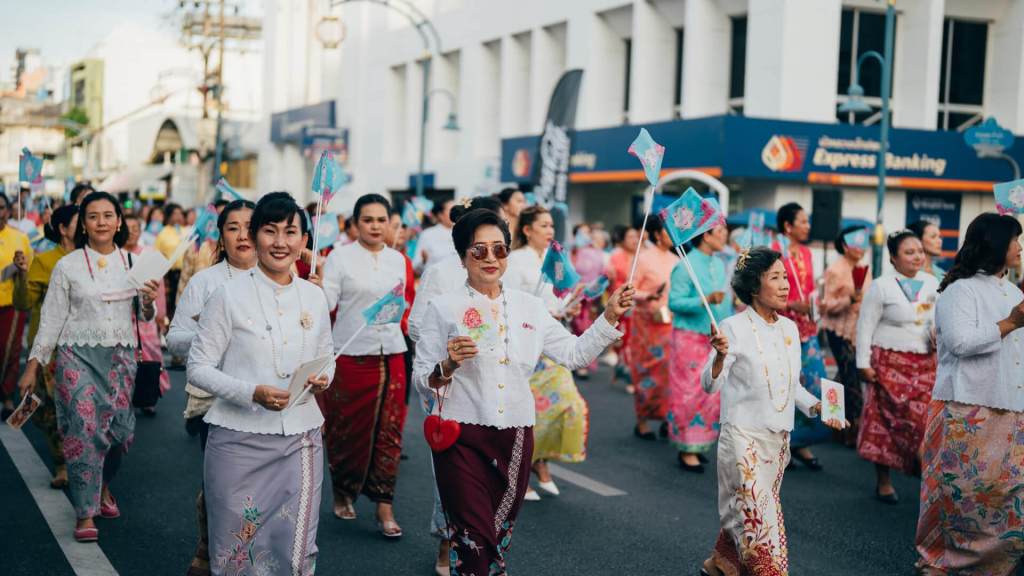
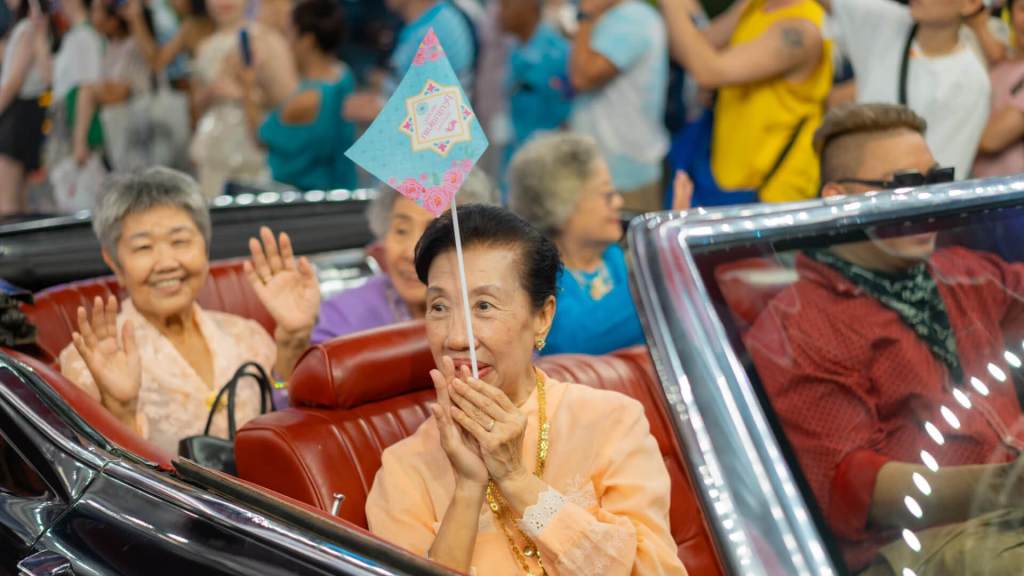
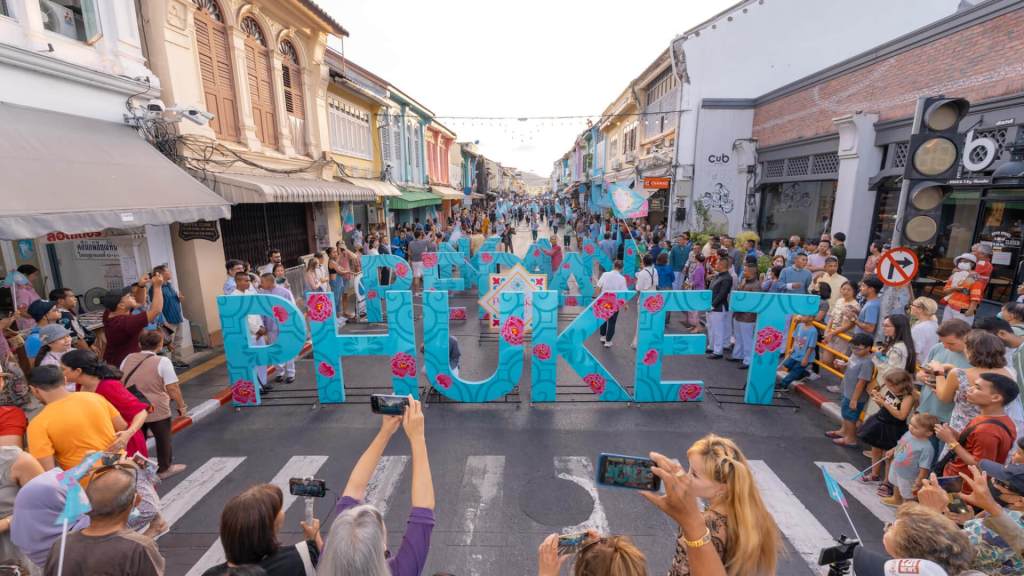
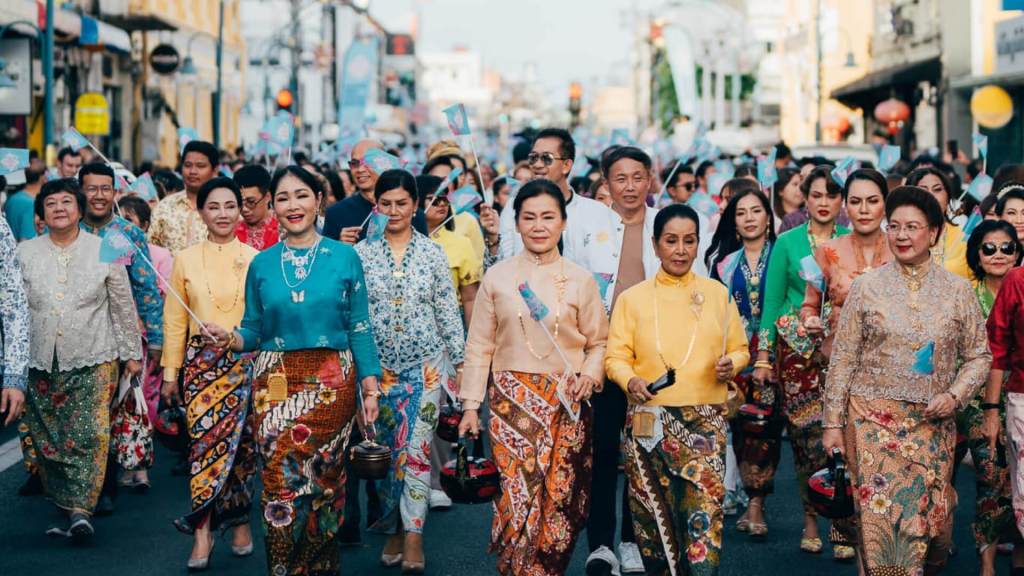
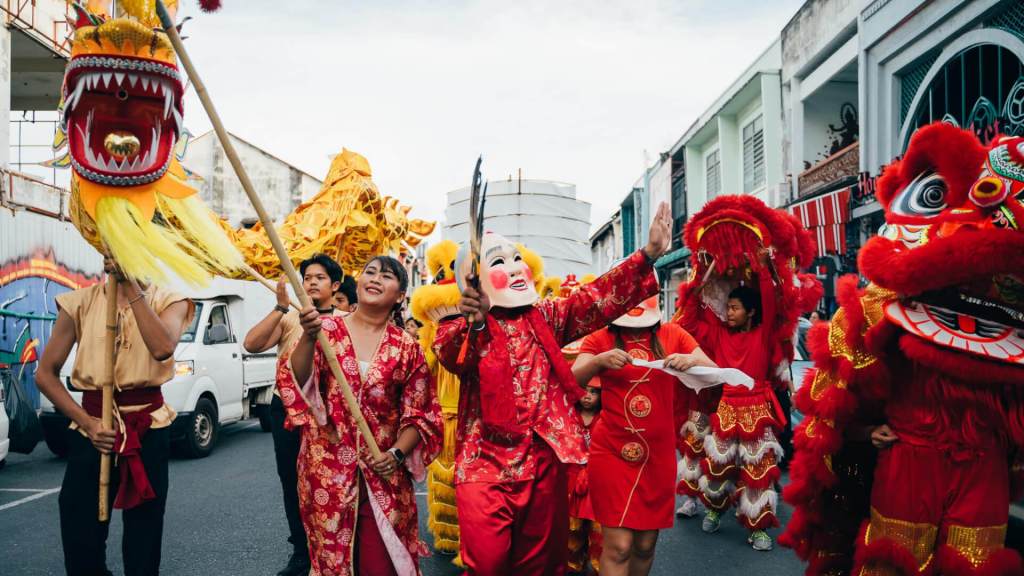
Phuket’s complex history is rarely touched by tourists coming to the island for beach fun and nightlife. One of the island’s hidden gems is the Phuket Peranakan, or Baba-Yaya culture, which has flourished in Phuket Town for centuries but only recently started making headlines, namely after the Phuket Peranakan Festivals in 2023 and 2024.
Peranakans are descendants of Chinese traders who settled in Malacca and intermarried with local women. Incorporating Chinese and Malay traditions, this community gained wealth and social weight, as displayed in their exquisite attire, ornate jewelry, and beautifully decorated homes.
Being at the forefront of trade contacts with Westerners, the Baba-Yaya arrived in Phuket in the 19th century amid the “tin rush,” which also attracted Chinese laborers.
Commonly referred to as “Phuket Chinese,” the Baba-Yaya are much more than that, in particular because of the Malay part of Peranakan. As successful businesspeople, they played pivotal roles in the local economy and society, serving as intermediaries between the Chinese community, Westerners, and Thai officials.
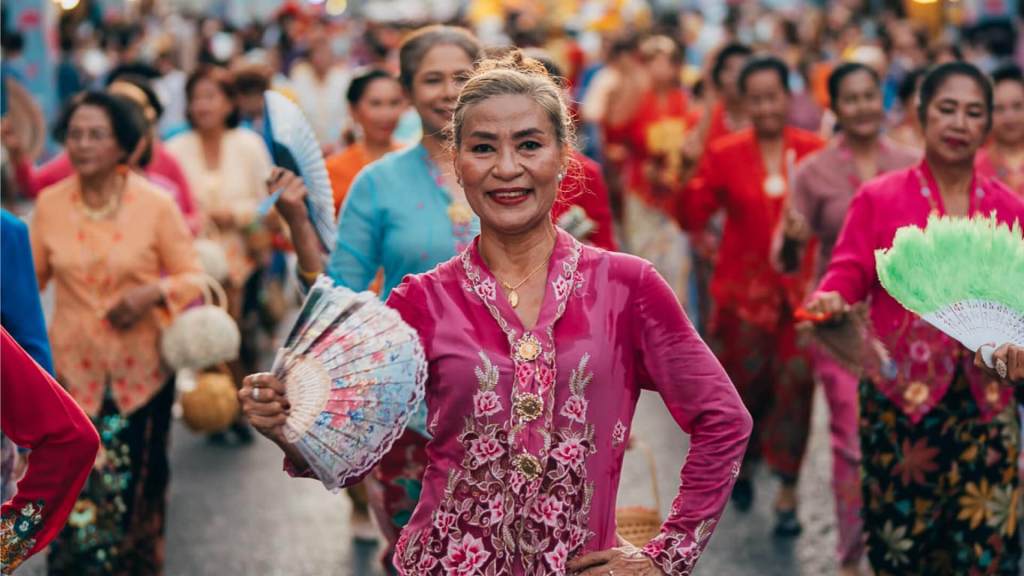
Peranakan homes in Old Phuket Town reflect a blend of Chinese, Malay, and European architectural styles, featuring colorful tiles, wooden shutters, and inner courtyards. Peranakan female fashion is famed for the intricate kebaya blouses and batik sarongs, while males typically wore more Western, ‘colonial’ suits.
In our previous issue, we visited Khun May’s ‘heritage house’ Tantitium, a contemporary restaurant in a century-old house on Dibuk Rd. Right across the street is another iconic place – The Charm Dining Gallery, a Michelin-listed restaurant serving Phuket Peranakan cuisine.
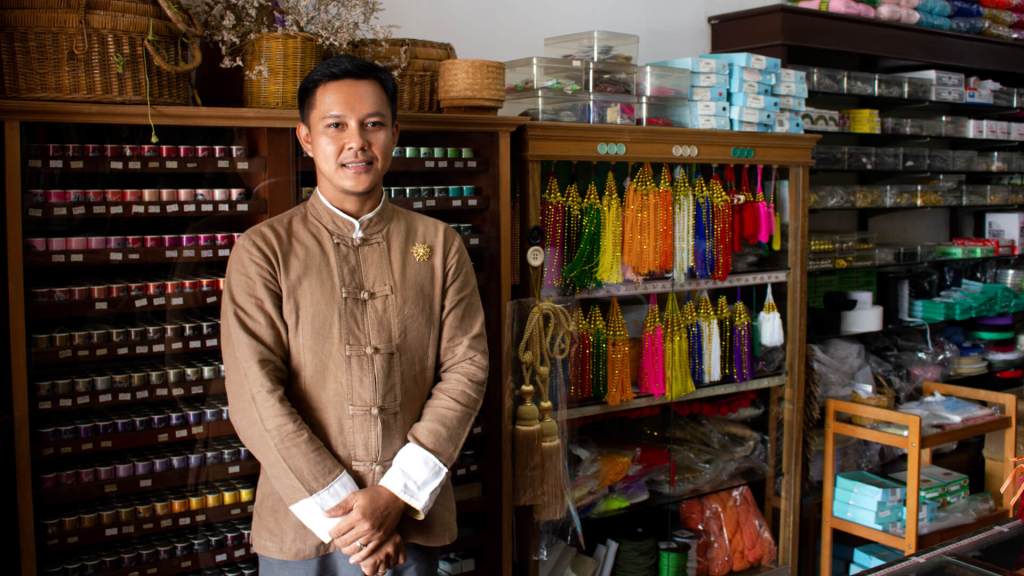
“This is the place where you go if you want to know Phuket from the inside, if you want to see not only the beach but also the culture, beauty, and charm of Phuket living. Wondering how people lived on this island over 100 years ago,” explains Khun Pond, the owner of The Charm.
The Phuket City community has put tremendous work into restoring the old houses, making Old Town’s distinct architecture a new postcard image of Phuket.
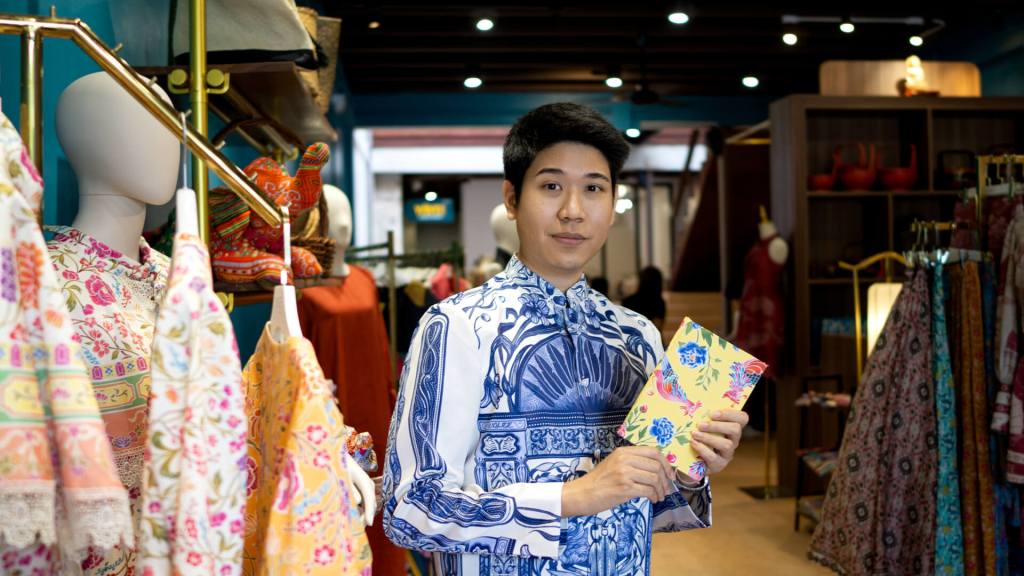
In an old house on Phuket Rd you can meet Khun Poom, who re-invents the Peranakan costume through the Yayee fashion brand, founded by his late mothe. Redesigning century-old formalwear into modern fashion collections yields stunning results.
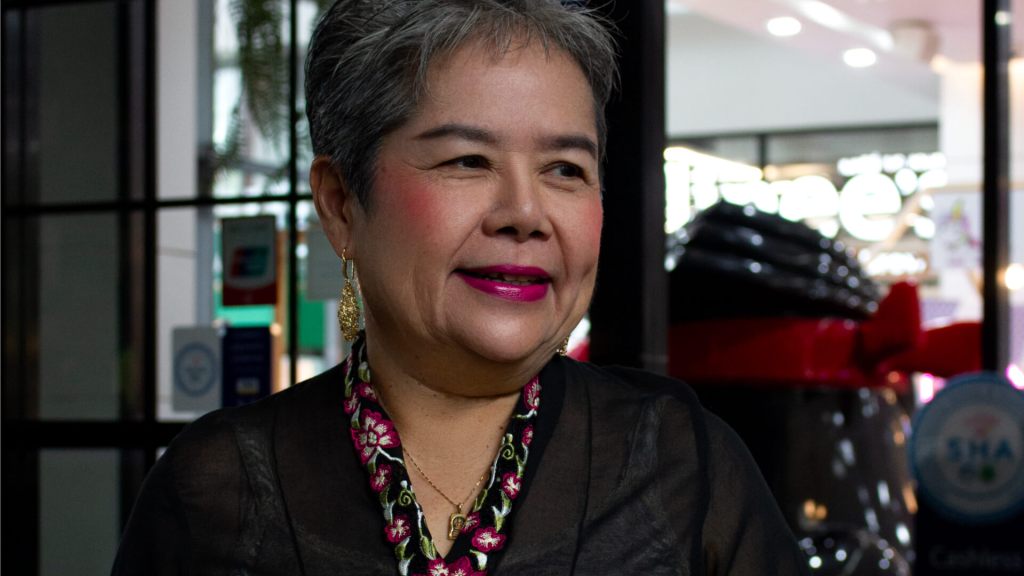
“Material culture has always been very important for the Peranakan community as a visual reflection of their Baba-Nyonya identity. But the culture survives for centuries because of the real people behind it.”
“I graduated in architecture, and during my studies, I was deeply touched by the evolution of different cultures and their deterioration when they failed to adapt to changing times. Numerous beautiful things ended up in museums, and this was our starting point. Yayee was started to dust off something from the past and narrate it anew,” Khun Poom explains.
“My firm belief is that for any culture to survive, it must be contemporary,” Khun Poom adds.
“The core of Yayee is culture. I believe in our mission of bringing cultural elements to the forefront and giving them a new life. I see us going beyond just attire and shining new light on all things Peranakan, from food to architecture to various utensils with Baba-Yaya influences. My firm belief is that for any culture to survive, it must be contemporary.” – Khun Poom.
“In order to preserve ourselves on the changing stage, we need to adjust to changes and blend into the contemporary while remembering who we are. The most important thing is to remember that you are Baba or Yaya, and even more – you are a Phuket Baba or Phuket Yaya. We have our own features which Babas do not have in Malaysia. We are descendants of the Chinese, but we go to Buddhist temples and offer rice to the monks on Thai holidays as well as Chinese festivals.” – Khun Pond.
“The most important thing for the Peranakan community is to keep the spirit of the culture within its members. When light falls on an object, you see it producing a shadow, which has the same shape but no color. When light falls on a person, you also see a shadow, but it has no soul and no life. Only humans have spirit within and this is why preserving a culture is possible only through human-to-human sharing. Inanimate objects, however beautiful they are, cannot be the essence of culture. You need to keep the spirit of your culture within yourself and pass it to other people.” – Khun Pong.
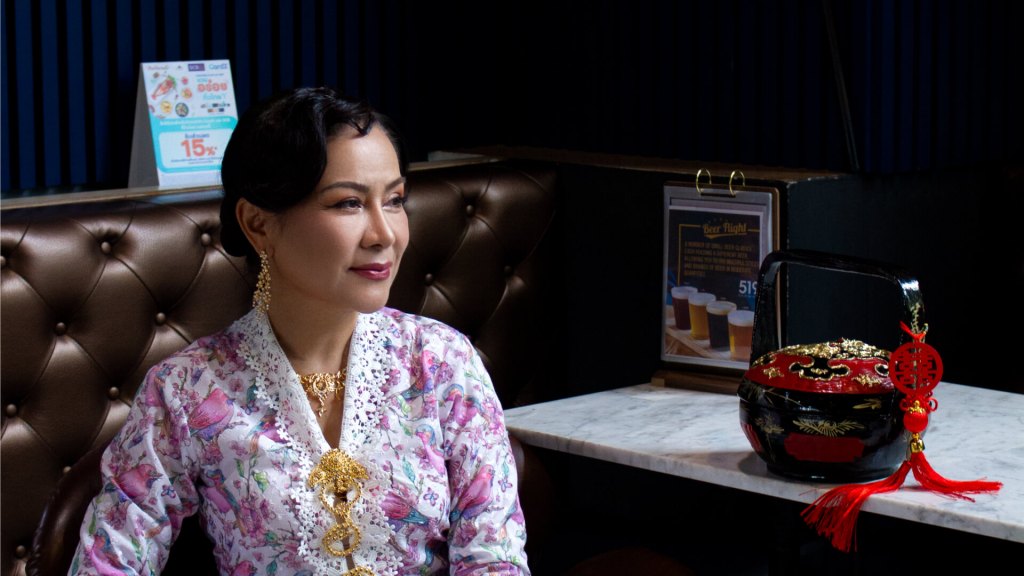
“Peranakan costume, accessories, and jewelry reflect the wealth of Phuket society in the past, which we still preserve and bring forward, keeping the charm of old Phuket alive. It’s more than just a dress, it’s a presentation of our cultural heritage. Peranakan architecture is another perfect blend of the past and present. It is living history and living culture.” – Khun Tai and Khun Bell.
“The Peranakan style has a timeless charm that has never faded since its inception. It is as beautiful today as it was in the days of my grandfather and grandmother. The new generation also cannot resist this charm. The beauty of the Peranakan outfit is that it is not only a thing of the past, it is something living in the present, adapting to the lifestyle of the new era and the new generation. Of course, this attire is not for everyday use, it is something for a special occasion and a bridge between the past and the present.” – Khun Nuch.
 Real Life in Phuket Magazine