
Phuket Property Fundamentals – Bill Barnett’s Perspective
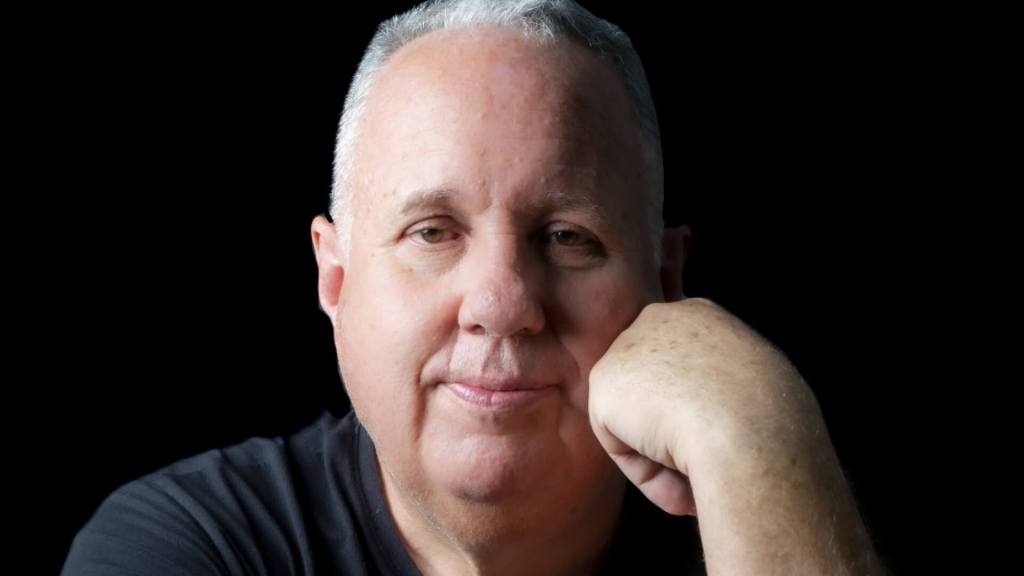
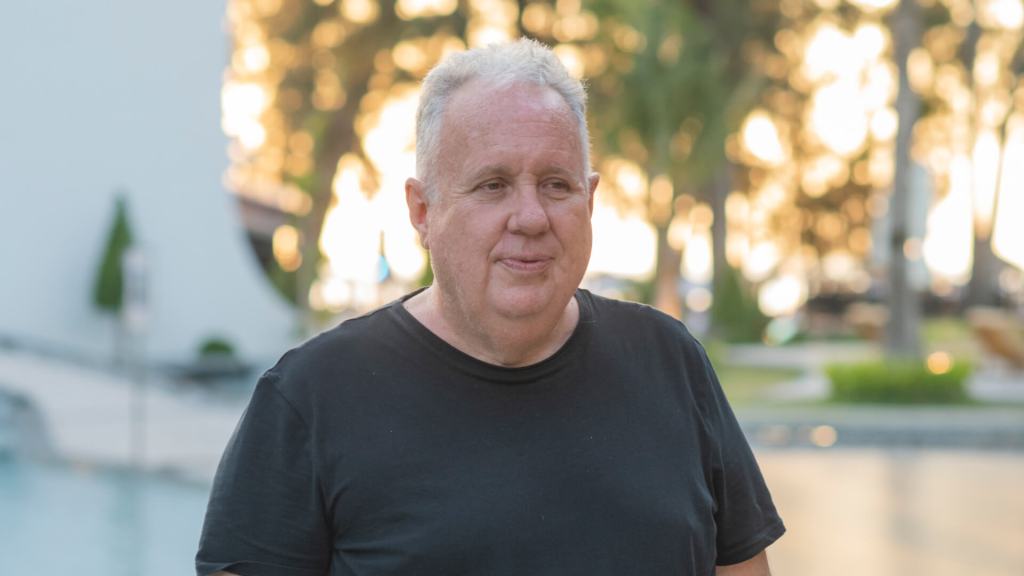
With over 40 years of experience in local property and hospitality markets, Bill Barnett is well aware of how challenging investment in a tropical paradise can be. Yet, the founder of C9 Hotelworks strongly believes that the markets are cyclical, and you can avoid mistakes by learning from other people’s ordeals.
Ahead of the release of C9’s mid-year Phuket Hospitality Market Update, we sat down with Bill Barnett to hear what he has to say about the nature of demand for property in Phuket, the key red flags for an investor, and the possibility of a Phuket property market bubble – as Bill Barnett sees it. Here are RL Phuket’s notes.
If we want to talk about Phuket’s transition, we should start by saying that Phuket didn’t begin solely as a tourist destination; it also has a rich history as a residential market.If you go back to 1988, that was when Amanpuri, the first Aman resort in the world, opened in Phuket. Already at that time, they offered villas for sale, which was quite a new concept. In 1995, the Sheraton Grande at Laguna Phuket also offered villas for sale. This shows that even 30-40 years ago, some developers recognized Phuket’s potential as a resort-led residential market. The writing was on the wall for the future.
Geography is a huge demand generator for Phuket. No matter what you think, in winter it is going to snow, and people in places where it snows will want to come to the warmth. And that will continue to be the main factor for Phuket, and that’s not going to change anytime soon. Geography, seasons and airlift have all played a part in the destination’s success.
If I’m talking to a prospective buyer who is considering moving to Phuket, I say: “Come and rent first.” See if you like it. Understand the experience. Don’t rush to buy something. Do your research, look at the seasons, walk the neighborhood, make informed decisions.
Resort real estate is not like urban real estate; it is not as financially driven. What’s the return per square meter? What’s my yield? These are highly important concerns for city buyers. Resort real estate is about non-monetary factors, it is often an emotional purchase: I feel happy, I have a nice drink on the beach at sunset, and I want to live here. Resort buyers tend to look at the final price of a villa or condo rather than the price per square meter.
There are a lot of lifestyle intricacies and there is no one size fits all for a resort market. Maybe I only want to come to Phuket during the snow season. Or I want my children to grow up here, and then we’ll decide what to do with the property; maybe we’ll reinvest or dispose of it. There is also a life cycle for ownership.
One thing we understand is that property is cyclical. Nothing goes up forever; every market goes through ups and downs. In 1996-1997, before the Asian crisis, you saw condotels in many Asian markets, where you could get a guaranteed return and promises of double-digit rental income, and countless projects with small units sold at cheaper prices.
Again, before the financial meltdown of the 2000s, global wealth was skyrocketing, and in Phuket, the market was also getting hotter. There were many speculative projects, there were a lot of investment schemes.
Looking back at history, you can say that we’re on top of the market when we see so much speculation and less end-users of properties.
“Selling prices aren’t going to get any cheaper in Phuket.”
The interesting thing is that after that global financial meltdown of the 2000s, it was Asia that led the recovery globally. That was the time of big investment volumes flowing into Phuket. So around 2010 and the years to follow was the time when the Phuket market was maturing, when we started moving from villas and a scattering of small projects to bigger projects.
Selling prices aren’t going to get any cheaper in Phuket. Fundamentally, there are only two things defining the selling price: how much it costs to build and how much you can sell it for. So I don’t see any level of supply that will make developers offer half off.
I don’t see how there could be anything like a full market crash in Phuket. I just cannot see that. A flat market? Absolutely! But I can’t see any possible collapse, because fundamentally, most buyers are buying with cash. Currency is also a major wildcard for investors, as there is a diverse set of buyers and fluctuations in the Thai baht and their home currencies often change the dynamics of when to sell or take a profit or loss.
The condition of the buyer is not just a Phuket issue. We have different segments with their own images. Russian, German, British buyers live in different economies, and they have different things that motivate them to buy.
The main red flag for a property buyer is the offer looking too good. If it is too good to be true, it probably is too good to be true, right? First, be wary of guaranteed high occupancy promises or guaranteed returns of 10-15% per year. Second, check the track record of the developer to understand the developer’s capacity to finish the project and maintain it. And third, read the contract. The devil is in the details.
The people who often make the best returns are the first buyers of a good project. A good project is one in high demand or has some unique aspect. If you are looking for a property around 4 million baht, this budget will get you a studio, and there is no end to the supply of just studios, right? Either you have to be in a project that has a unique demand generator, like a strategic location, or it’s just a good project where you’ll have fundamentally stable returns (though it’s not going to be high returns).
It always comes down to acquiring at the right price, making the purchase at the right moment of the cycle and to buy at the lowest possible price.
 Real Life in Phuket Magazine