

Phuket’s rich and complex cultural background often remains unknown to tourists who are typically drawn by the postcard images of its seascapes and vibrant nightlife. One of the island’s hidden gems is the Phuket Peranakan, or Baba-Yaya, culture, which has flourished in Phuket Town for centuries but only recently started making headlines.
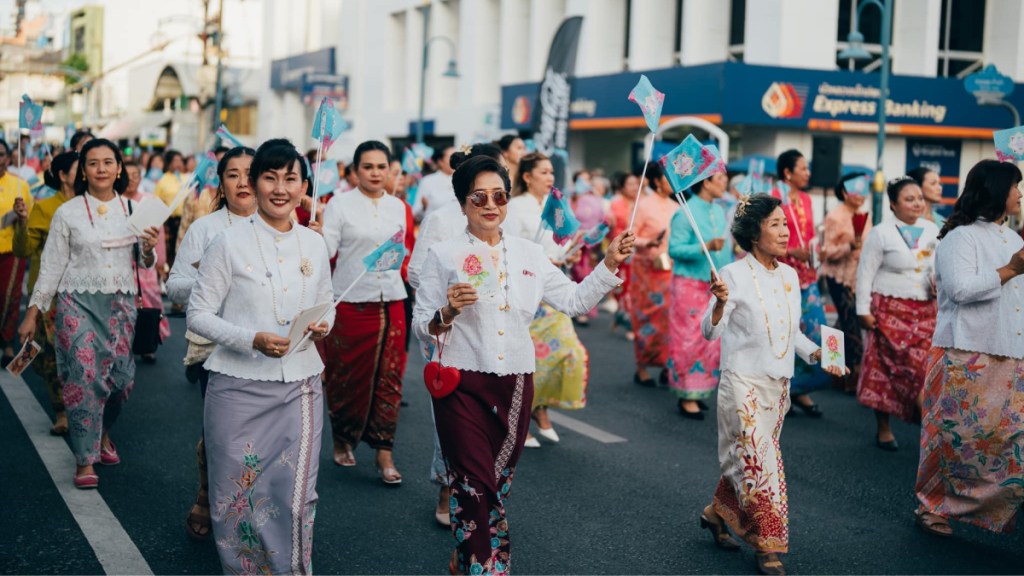
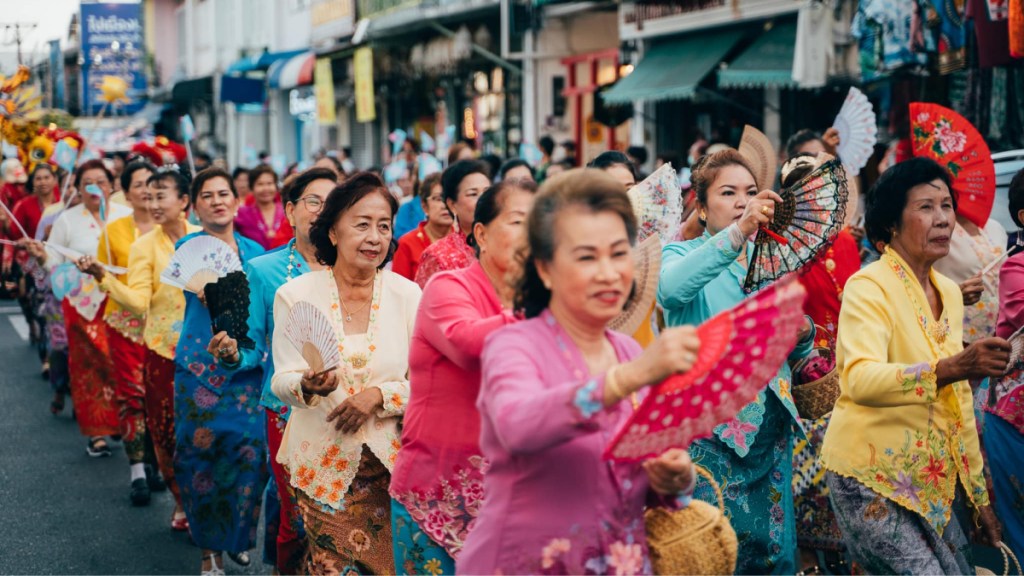
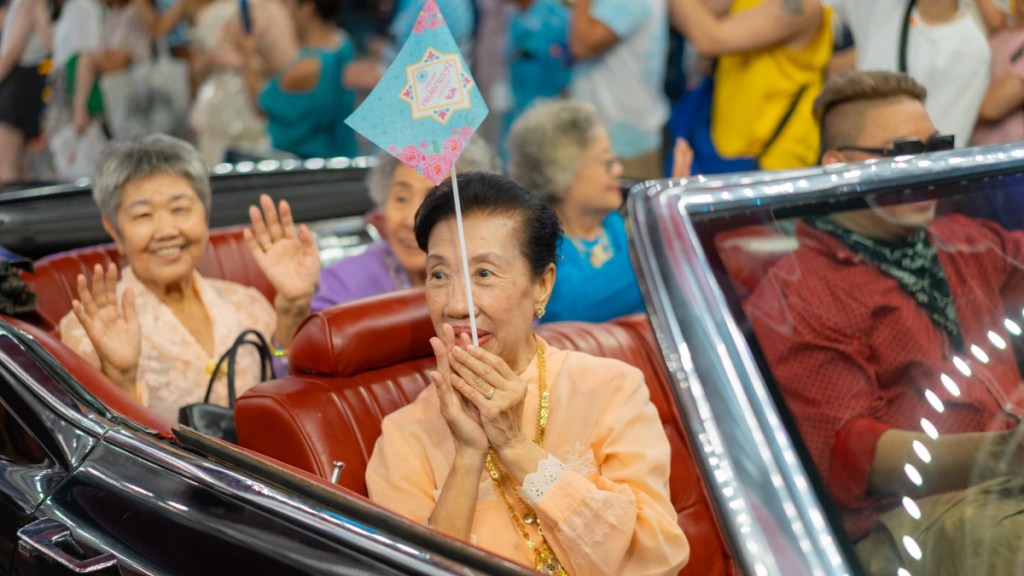
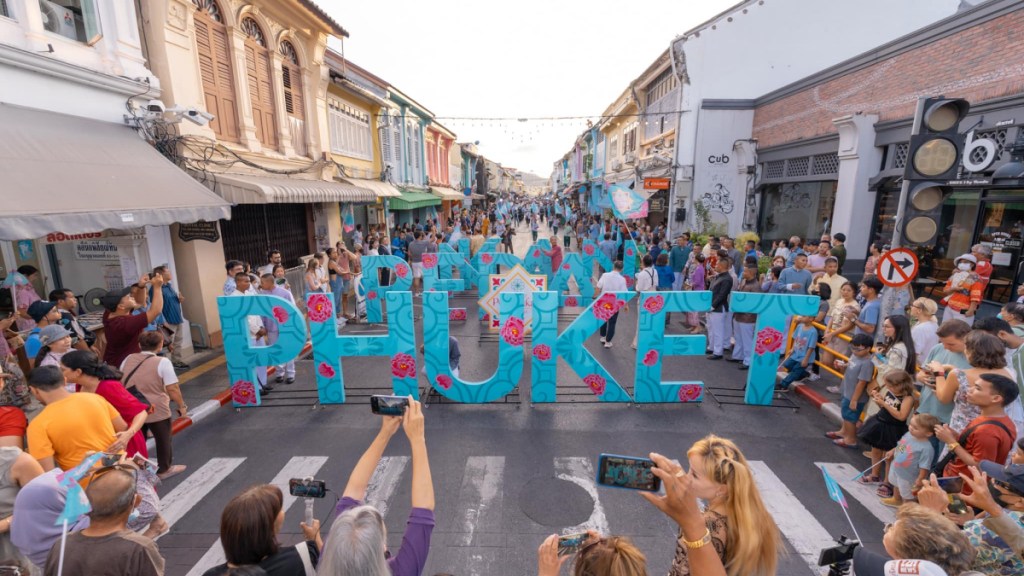
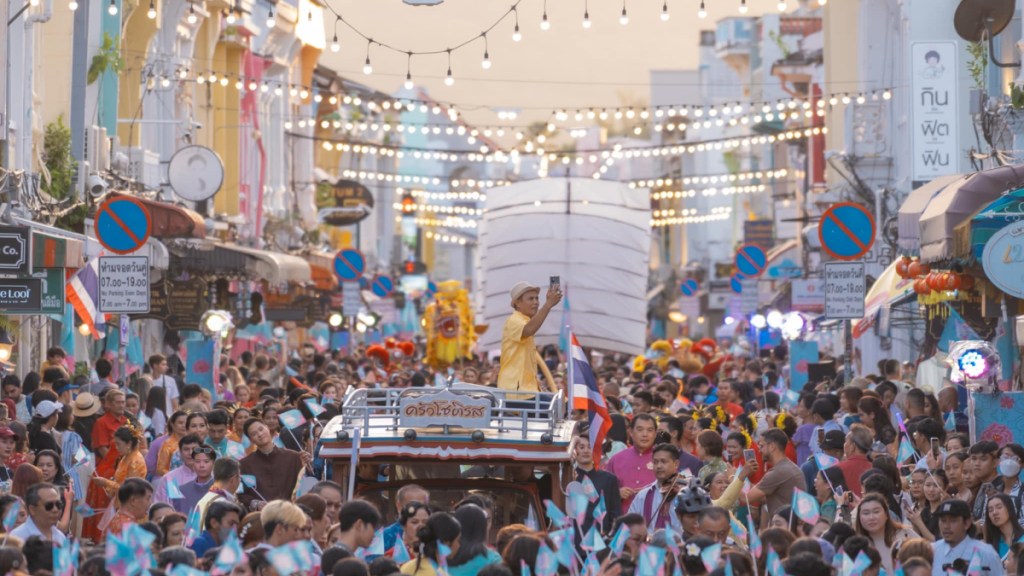
In 2023, Phuket made a significant move to showcase its heritage to the world with the inaugural Phuket Peranakan Festival. This year, the festival returns from June 21-23, 2024, culminating in an impressive street parade on June 22, starting at 5pm in Phuket Old Town.
The Peranakan culture, despite being commonly referred to as “Phuket Chinese,” is much more than that.
Peranakans are descendants of Chinese traders who settled in Malacca, Penang, and Singapore, intermarried with local Malay women, and gained substantial social influence. Incorporating Chinese and Malay traditions, this distinct community developed unique customs, cuisine, fashion, and language. Western influence also played a significant role, as the Baba-Yaya were at the forefront of trade contacts.
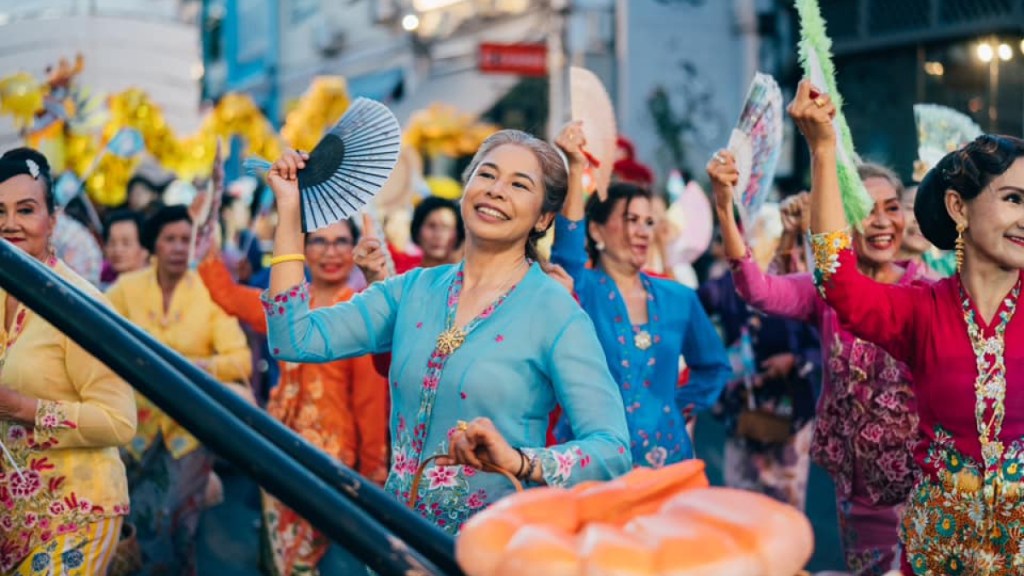
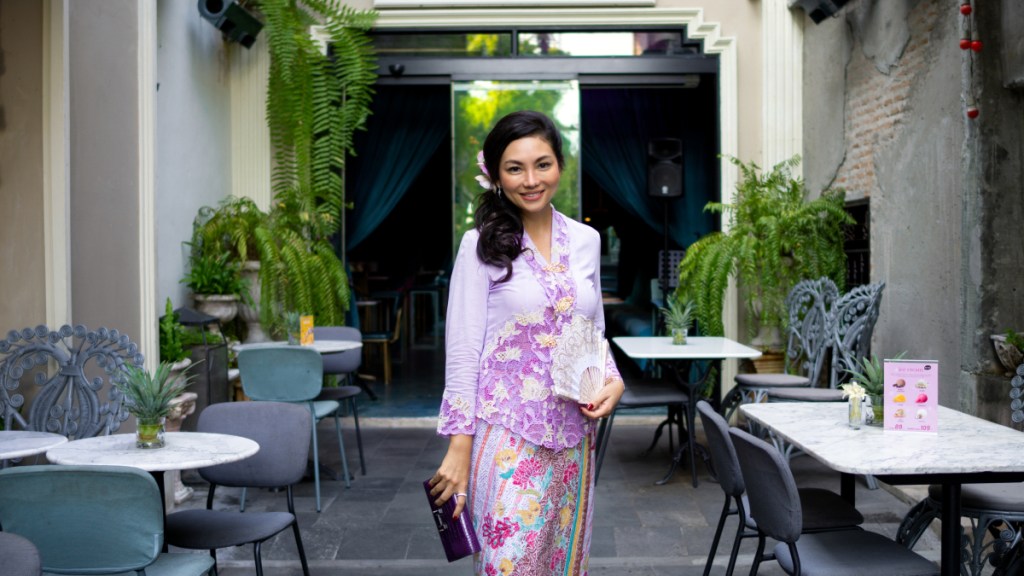
Phuket became a significant stop in the Peranakan journey due to the island’s flourishing tin mining industry in the 19th century, which attracted both Chinese laborers and Peranakan traders. The material richness of Peranakan culture is vividly displayed through their exquisite attire, ornate jewelry, and beautifully decorated homes. Peranakan Nyonya are famed for their intricate kebaya blouses and batik sarongs, often adorned with elaborate beadwork and embroidery, while Baba typically wore more Western, ‘colonial’ suits.
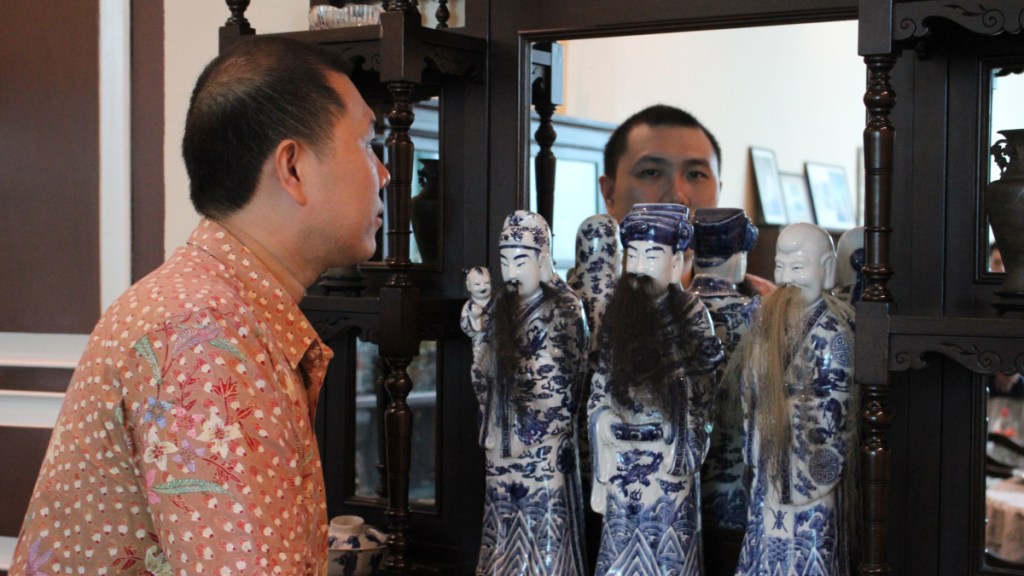
Peranakan homes in Old Phuket Town reflect a blend of Chinese, Malay, and European architectural styles, featuring colorful tiles, wooden shutters, and inner courtyards. Beyond their material culture, the Peranakans in Phuket wielded significant political and social influence. As successful businesspeople, they amassed considerable wealth, allowing them to play pivotal roles in the local economy and society. The Baba often held prominent positions, serving as intermediaries between the Chinese community, Westerners, and local Thai officials.
The Peranakan community’s ability to merge their Chinese heritage with local customs created a rich, enduring legacy, now experiencing a Renaissance as it is rediscovered by foreigners and modern Thais. The modern Baba and Yaya are re-inventing their ancestral culture, giving it new appeal – classy, yet contemporary.
“In order to preserve ourselves on the changing
stage, we need to adjust to those changes and blend into the contemporary while remembering who we are.”
RL Phuket has already highlighted Khun May’s ‘heritage house’ Tantitium, an upscale restaurant and bar offering a chance to sip, savor, and enjoy the night in a real Sino-Portuguese shophouse on Dibuk Rd. A fancy contemporary venue in a century-old house delivers an unforgettable experience of a night out in Town, simultaneously in 1924 and 2024.
Right across the road is The Charm Dining Gallery, a Michelin-listed restaurant serving Phuket Peranakan dishes in the atmosphere of an old Peranakan merchant’s house. Khun Pond, the owner, clearly states that his family has restaurants serving tourists what they expect. The Charm is altogether different, as this is where Khun Pond serves what his grandma served to him and taught him to cook.
“This is the place where you go if you want to know Phuket from the inside, if you want to see not only the beach but also the culture, beauty, and charm of Phuket living. Wondering how people lived on this island over 100 years ago? Then The Charm is your final answer – you come and you try,” Khun Pond explains while sitting under the portraits of his grandparents.
The Charm also serves the mission of preserving Phuket Peranakan as a separate branch of the Baba-Yaya tradition. Just like many, Khun Pond’s personal quest is finding a way to stay true to the roots while keeping pace with the world.
“In order to preserve ourselves on the changing stage, we need to adjust to those changes and blend into the contemporary while remembering who we are. The most important thing is to remember that you are Baba or Yaya, and even more – you are a Phuket Baba or Phuket Yaya. We have our own character and Thai features, which Babas do not have in Malaysia. We are descendants of the Chinese, but we go to Buddhist temples and offer rice to the monks on Thai holidays, on the Chinese New Year, and during the Por Tor Festival,” Khun Pond says.
Yet, dining is not the only example of how Phuketians bring their heritage to life. This year’s Peranakan Festival’s main stage will be set across from the Old Police Station at the iconic corner of Phuket Rd. and Phang Nga Rd., with the building’s clocktower having become one of the new postcard images of Phuket.
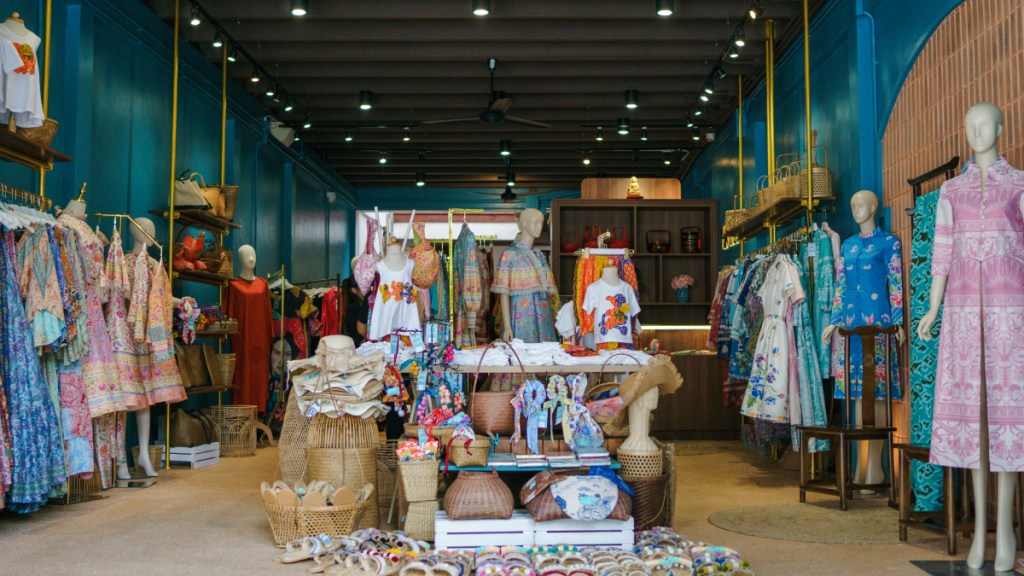
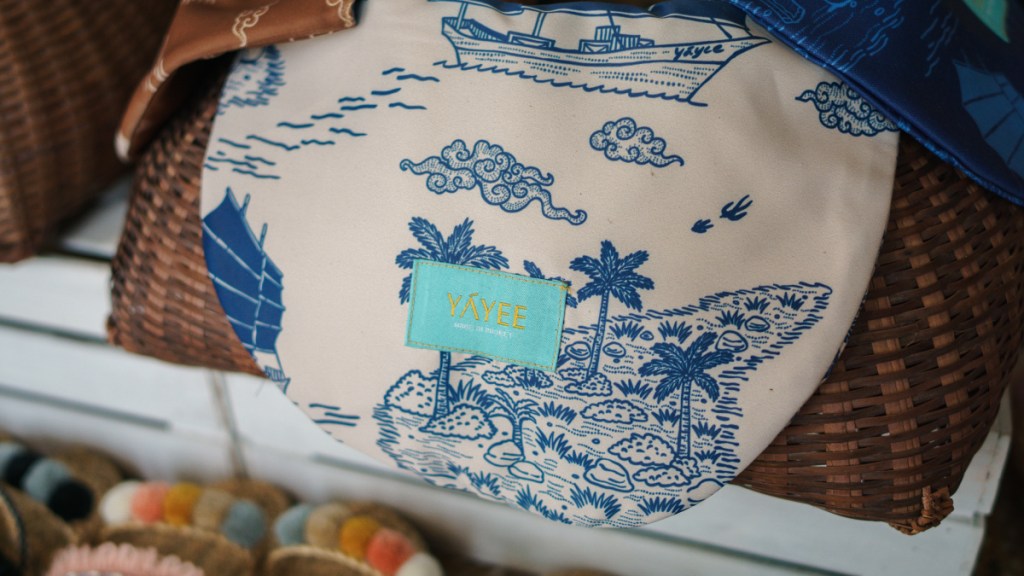
Last but not least, Phongpiwich (Khun Poom) Thuatraipop and the Yayee fashion brand are turning century-old clothing traditions into contemporary attire for special occasions. The Peranakan Festival is the perfect occasion for many participants to wear Yayee pieces.
“The core of Yayee is culture. I believe in our mission of bringing cultural elements to the forefront and giving them a new life. I see us going beyond just attire and shining new light on all things Peranakan, from food to architecture to various utensils with Baba-Yaya influences. My firm belief is that for any culture to survive, it must be contemporary,” Khun Poom explained to RL Phuket.
Khun Poom continues the work of his late mother Wasita Noipradit, the founder of Yayee. It took a considerable amount of bravery to redesign formal wear into modern fashion collections, but the results are stunning.
“I graduated in architecture and worked in advertising, so I have knowledge in both fields. During my university studies, I was deeply touched by the evolution of different cultures and their deterioration when they failed to adapt to changing times. Numerous beautiful things ended up in museums, and this was our starting point. Yayee was started to dust off something from the past and narrate it anew,” Khun Poom explains.
He emphasizes that material culture has always been very important for the Peranakan community as a visual reflection of the Baba-Nyonya identity. “Yayee aims to preserve the essence of Baba-Nyonya while maintaining its unique charm,” Khun Poom says. “I don’t expect everyone to wear our clothes all the time on a daily basis. I rather view them as something for special occasions, a cultural option.”
The nearest special occasion – the Phuket Peranakan Festival – starts today and lasts until Sunday, June 23.
 Real Life in Phuket Magazine