
A developer’s perspective on Home in Phuket


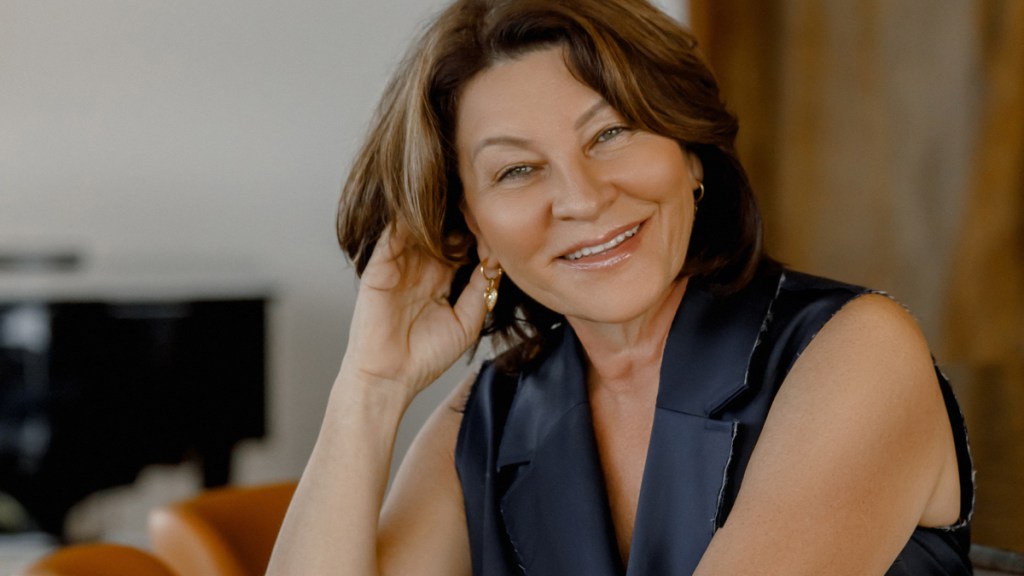

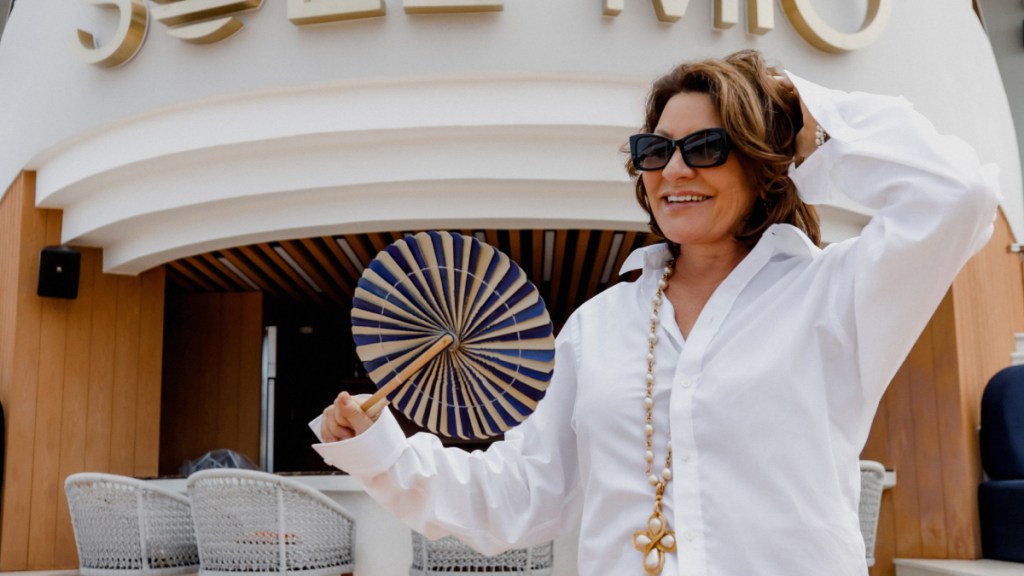
Over 18 years ago, Raisa Sheludkina arrived in Phuket with several successful property deals under her belt. Yet, finding her perfect home on the island turned into a quest that spanned nearly two decades.
Raisa’s knowledge of Phuket goes far beyond the average. As a real estate agent, property developer, and lifestyle magazine publisher, she embraces living in Phuket with passion and professionalism.
We asked Raisa three major questions: how to find your perfect home on the island, how to identify a good investment opportunity, and how to do both while minimizing the risk of disappointment.
Thailand was an absolute dislike at first sight for me, but it became a love for life upon the second visit. My first trip to the country was in 2000 for a vacation in Pattaya, which simply wasn’t my place in Thailand. I left the Kingdom fully determined never to return, but four years later, I had to revisit the country and discovered Phuket. The island was a world apart from Pattaya and very different from what it is now.
Rawai and Nai Harn were rustic, adorned with lush greenery, and dotted with tiny, cozy restaurants run by and catering to an international crowd. The community welcomed you with genuine friendliness. Kata Beach, now a tourist hotspot, was equally cozy, with nearly all residents knowing each other. Despite dramatic changes over the years, many of the old places are still open, and I can walk in and start a chat as if there hasn’t been a decades-long gap.
The sun, the food, the smiles. Call it a cliché, but these are the three things I fell in love with during my first visit to Phuket 18 years ago. My attitude towards the island and its people hasn’t changed since then. Thais smile sincerely and open-heartedly, like children.
Whenever I hear someone speaking ill of Thai people or, even worse, speaking rudely to them, I stress one simple thing: they welcomed us to their home country, not the other way around. They allowed us to live and work here, to learn from them and to teach them. No matter what happens, we should respect their culture simply because they welcomed us to their land. Even if you’re a resident through and through, remember that you were once a visitor, and Thais welcome you back then. Please behave: don’t put your feet on the table, don’t shout, and dress appropriately when visiting public places.
Phuket has many faces and places, but there is a universal tip for finding your perfect home – trust your instincts. Your first impression is most likely the right one, while subsequent rationale, analysis, and external advice being just a mental game.
For example, I deeply respect modern property – I am a developer and I build it, after all. But what I really love in my heart is old houses. They have their own soul and story, which I adored in Europe, Russia, and now in Thailand. Some people are drawn to brand new properties – pristine villas where no one has lived and no shadows linger. As for me, I prefer the opposite.
This perfectly explains why you should listen to your own inner voice. External advice, as helpful as it might be, should not be your main criterion. Listen to your instincts and trust yourself. If it feels right, go for it – it’s as simple as that.
When choosing a place to live, don’t commit to a villa or condo until you’ve explored at least three different localities on the island. My starting point would be Rawai, as it has developed from the beginning as a residential area. If you look to the past, southern Phuket was the first area discovered and inhabited by expats, and it continues to develop in this vein. Explore the area, check out condos, detached houses, or villas, and get a feel for the atmosphere.
After Rawai, visit Bang Tao and Laguna, explore the Cherng Talay district from Surin up to Layan. The entire area is suitable for living, with one rule of thumb: for long-term residence, choose a place close to amenities and infrastructure; for vacation rentals, prioritize proximity to the beach.
The third area to explore is Manik and Koh Kaew, two lesser-known localities among foreigners. The area around the British International School (BIS) and to the north of it has been showing healthy development, expected to continue. Proximity to educational facilities, not limited to BISP, is complemented here by a stunning hillside landscape and easy access to major roads, ensuring convenience for travel to Bang Tao and Phuket Town. All indications point to stable long-term development, which is already underway.
In choosing a residence, prioritize your daily lifestyle needs over occasional ones. Will you be mostly driving or walking? Will you dine out or cook at home? Will you need to drive your kids to school? For families, convenient access to a school should top the list. If I had a child aged 2-18, Manik would be my first choice because of BISP.
Giving universal advice on long-term living is nearly impossible. As for investment guidelines, I have two recommendations. First, stay within your field of expertise. If you’re good with spacious villas, focus on them rather than small condos. If you know how to choose a studio, remain in this field. Stay competent.
Second, avoid large projects with hundreds of identical units. For profitable resale, target properties that are scarce in the market. Shortage of supply is crucial for a highly profitable speculative deal.
If your aim is to earn quickly and significantly, focus on properties that are in short supply. Ironically, good beachside locations are always in short supply on this island. Despite being surrounded by the sea, finding a quality seaside condo or villa during the high season is always a challenge.
Additionally, the availability of small projects with high quality is always limited. High margins result from low volumes; a limited supply drives each unit towards exclusivity, ensuring you won’t compete with hundreds of sellers for one prospective buyer and get engaged in a price war.
The gold is precious because the offer is limited and no one can increase it. The Same is true for good seaside land.
Continue reading on reallifephuket.com for more of Raisa’s investment tips, often kept quiet by property gurus.
 Real Life in Phuket Magazine