
A short guide to a long stay in Thailand
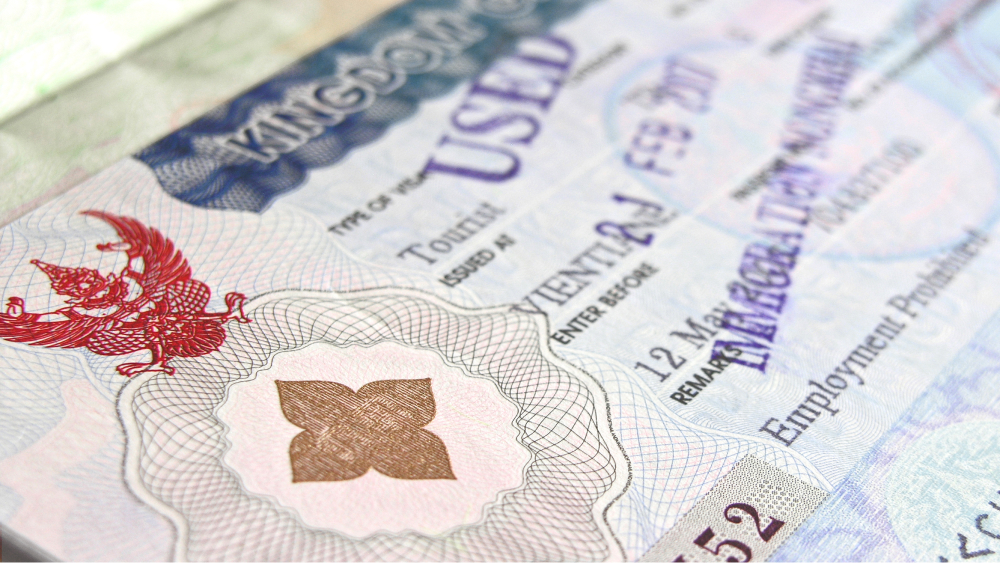
When planning an overseas trip, checking visa requirements is often a crucial first step. However, for most travelers heading to Thailand, this isn’t a concern, as the Kingdom is visa-free for the majority of visitors. Depending on your passport, you are granted 30, 45, or even 90 days upon arrival.
Yet, for those planning an extended stay, Thailand offers various visa options to cater to various needs, whether it’s for a lengthy vacation, workation, or a blend of education and leisure, whatever you may call it.
In this article, we will review the most common visas for winter birds and expats. Read on until the end if you’re considering obtaining a Thai passport through real estate investment – there are crucial (and not encouraging) details you need to know.
Thailand Elite
Though not the most common visa for long-stayers in Phuket, Thailand Elite tops our list because it was purposefully launched by the Royal Thai Government to allow foreigners to “live under the Thai sun” and nothing more. Thailand Elite is tailored for extended leisure stays.
No complicated terms or requirements; you pay the fee and get your stay for 5 years (B900,000), 10 years (B1.5mn), 15 years (B2.5mn) or even 20 years (B5mn).
After passing a criminal background check, you can legitimately reside in Phuket, Bangkok, or any other place of your choosing. While Thailand Elite doesn’t permit employment, it offers various bonuses, from express lines at airports to discounts at hotels and spas.
Work Visa
The Non-Immigrant B visa is essential if your relocation plan involves employment or setting up a business in Phuket. For employment, the paperwork is typically handled by the employer, although visa expenses may be partially on you. It’s crucial to note that this visa is directly linked to your employment status, and termination of employment cancels the visa.
For those planning to start their own business, consulting a local law advisory firm is a necessary starting point, with estimated paperwork expenses ranging from B50,000 to B100,000. This doesn’t include the setup costs for your business, be it a restaurant, a hotel, or a laundry.
Education Visa
According to Phuket Immigration, the most popular long-term visa in Phuket is the Non-Immigrant ED, also known as a student visa. Combining language studies with tropical living by the sea is as good as it sounds. Phuket’s language schools cater to this demand for around B50,000 a year, covering both visas and classes.
Authorities generally do not mind if students engage in remote work for an employer outside of Thailand, but employment within the Kingdom is strictly prohibited and comes with hefty fines and “expedited deportation”. This is literally what the law says.
Retirement Visa
If you are over 50 years old with sustainable passive income and/or savings, the Non-Immigrant O/OA visa is your choice. Retiring in Thailand requires keeping B800,000 in a Thai bank account or receiving B65,000 per month as a “pension”. Proof of finances and medical insurance confirmation are mandatory for this visa. While it doesn’t allow employment, earning passive income from investments in Thai real estate is acceptable. Just don’t pass the line between getting a return on investments and managing a business.
THAILAND OFFERS VARIOUS VISA OPTIONS TO CATER TO VARIOUS NEEDS, WHETHER IT’S FOR A LENGTHY VACATION, WORKATION, OR A BLEND OF EDUCATION AND LEISURE, WHATEVER YOU MAY CALL IT.
Family Visa
Non-Immigrant O visas are issued for family-related requests, such as having a family member legitimately staying in Thailand. This includes being married to a Thai national, having a spouse with a Non-Immigrant B visa, or a child studying at an international school in Phuket and having a Non-Immigrant ED. The latter case requires proof of adequate finances and insurance, similar to the retirement visa.
All mentioned visas allow long-term living in Thailand, with 1-year permissions to stay issued by Phuket Immigration or any other provincial Immigration Office. The number of extensions for business, retirement, and family visas is not limited, as long as the requirements are fulfilled. There is no set maximum number of extensions for Non-Immigrant ED visas, but immigration officials will not extend your stay indefinitely just because you believe in lifelong learning; sooner or later, the application will be rejected.
Thailand offers various visa options beyond the top 5 listed above, as the Kingdom welcomes foreigners beneficial to the economy who follow rules and regulations. Recently launched ECC Visas cater specifically to the residents of the Eastern Economic Corridor (EEC), similar to LTR visas introduced a couple of years ago to attract wealthy global citizens and highly-skilled professionals. Thailand also continues to issue Smart Visas, launched before the pandemic, to attract foreign experts to work in specific fields of the economy.
However, there is a significant limitation to Thai visa rules. As mentioned in the introductory part of this review, there are crucial (and not encouraging) details a person needs to know when considering permanent residency or citizenship through property investment. Unlike some other countries, the Kingdom of Thailand simply doesn’t offer a passport in return for investment. Marrying a Thai national won’t provide citizenship either – you get a visa, but not the passport.
However, there is a significant limitation to Thai visa rules. As mentioned in the introductory part of this review, there is no good news for those considering permanent residency or citizenship through property investment. Unlike some other countries, the Kingdom of Thailand simply doesn’t offer a passport in return for investment. Marrying a Thai national won’t provide citizenship either – you get a visa, but not the passport.
 Real Life in Phuket Magazine