




As we venture further into a new year, people often wonder what the next decade will bring. We become concerned with the future – especially the future of our children. We want to do our best by them and equip them with what is needed.
Our children’s education is crucial. Their safety and happiness are of utmost importance. Still, at the same time, we want them to get good academic results to provide them with more options for a successful future.
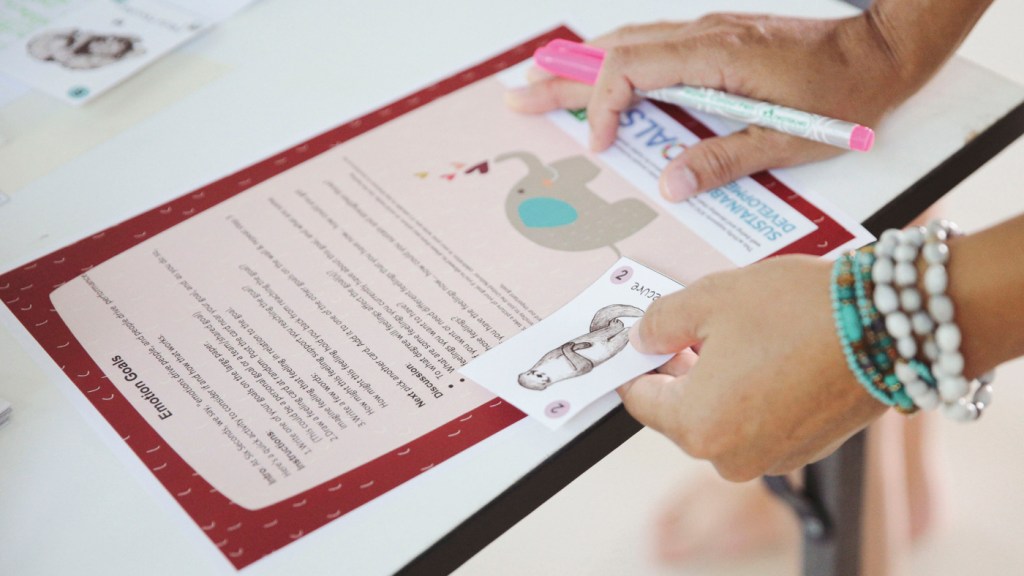
Recently at UWC Thailand International School, we hosted an ‘Emotional Intelligence Pop Up Festival’ for our parents.
Why?
World expert in Emotional Intelligence Daniel Goleman claims that “As much of 80 per cent of adult success comes from EQ.”
EQ refers to Emotional Intelligence and includes self-awareness, self-regulation, motivation, empathy and social skills.
Much research is now showing Goleman’s statement to be true. When CEOs from top companies began wondering why students from the most reputable universities with high marks were not performing so well in the workplace, some exploration into the cause of this started.
One 30-year longitudinal study of more than a thousand students discovered that it was EQ rather than IQ, which was the most significant predictor of financial success. Children with the most advanced cognitive control had the highest financial success in their 30s*.
We have all known people who would be our ‘Phone a Friend’ on ‘Who Wants to Be a Millionaire’ but when it comes to reading what is happening in a room (in terms of people, feelings and situations), their lack of awareness can prevent harmonious outcomes. We have also worked with people that do not thrive at work because of the way they communicate and interact. This is not to demean IQ and the work put in by students studying for exams and problem-solving, but IQ only takes us so far. And when working with people, we need to understand people! The great thing is that EQ is also learnable and flexible!
Children learn best from seeing adults putting these practices into action, so it is best if parents start with growing their emotional intelligence.
Here are three ways that you can begin to cultivate your family’s emotional intelligence:
- Try a daily mindfulness practice—Self-awareness is the key to other kinds of awareness. It also supports us in recognising our reactions.
- Try ‘Name It to Tame It’—This involves pausing, noticing and naming emotions as they arise. Studies have shown that this practice can disrupt amygdala reactivity in the brain**.
- Learn to validate and embrace emotions in yourselves and others—See emotions as valuable and connecting opportunities between people. They are part of being a human, helpful in giving us information. They can be a positive motivational force when used with awareness.
 Real Life in Phuket Magazine